Transnistria is a narrow strip of land between the Dniester River and the Ukrainian border. It broke away from Moldova in the early 1990s and is not recognised internationally, but it operates its own institutions, currency and border posts. For visitors, it is a day trip from Chisinau that offers an unusual mix of history, architecture and daily life. This guide covers what to expect and how to prepare.
Check current advice
Before booking, read your own government's current travel advice for Moldova and the region. Conditions can change, and operators will follow current guidance. This guide is general information, not a security assessment.
What you will see
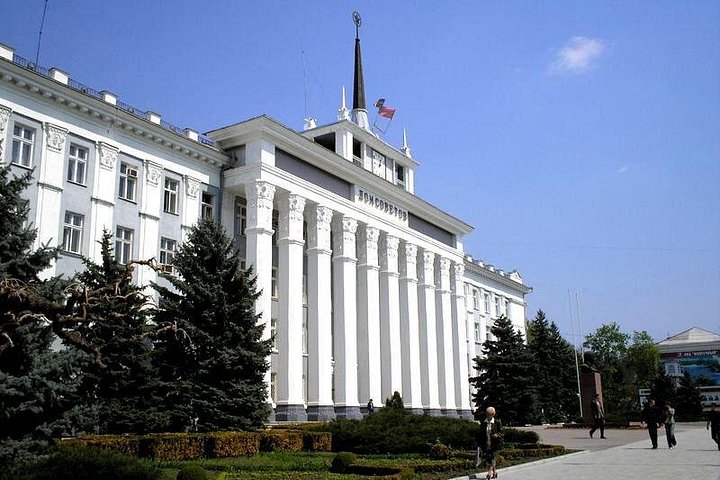
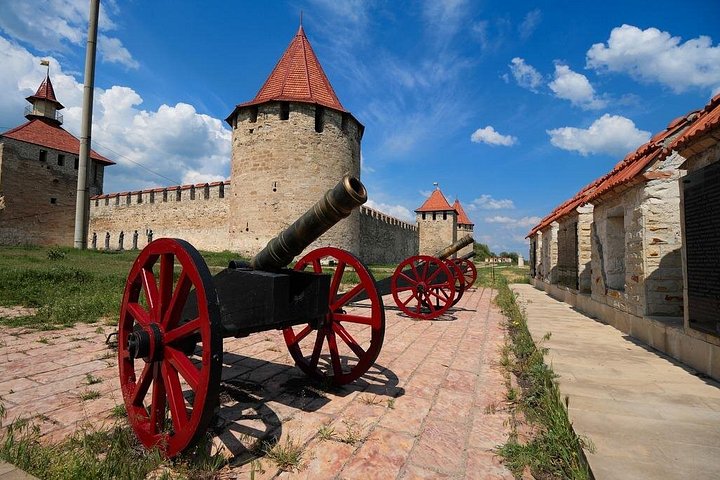
The capital Tiraspol is the main stop, with wide boulevards, a Lenin statue in front of the Supreme Soviet, a war memorial with a tank, public mosaics and quiet residential districts. Bender, on the river, has a large Ottoman-era fortress. Many tours include a stop at a brandy distillery or a supermarket, which show daily life. Tours can also include Soviet-era sites and, in some cases, a winery on the way back.
The border crossing
You need your passport. At the crossing, border staff issue a temporary entry permit, which your guide helps with. Expect questions about the purpose of your trip and possible waiting time. Be polite, follow instructions and keep your permit safe, since you return it on exit. Do not photograph military or border installations.
Money
The region has its own currency, which is not available outside it. Foreign cards generally do not work, so bring a small amount of cash in a major currency and exchange only what you need. Spend or exchange any local money before you leave, as it is hard to change back.
Choosing a tour
Group tours are the cheapest and run daily in the high season. Private tours let you choose the route and pace. Themes include Soviet history, mosaics, brandy tasting and combined winery trips. Check the length, meals included and any extras. A good guide explains the context without taking sides, which is the best reason to go with an operator.
Etiquette
Be respectful in conversation, and avoid political arguments with strangers. Ask before photographing people. Dress casually but neatly. If you visit memorials, behave with respect. Residents are used to visitors and often friendly, particularly when you show curiosity.
Planning the day
Tours leave in the morning and return in the evening. Eat a good breakfast, bring water and wear comfortable shoes. Expect a mix of walking and driving. Bring a charger and a camera. If you are combining the trip with a winery, check the order of stops and allow time for the border crossing, which can be quick or slow.
Pair it with other sights
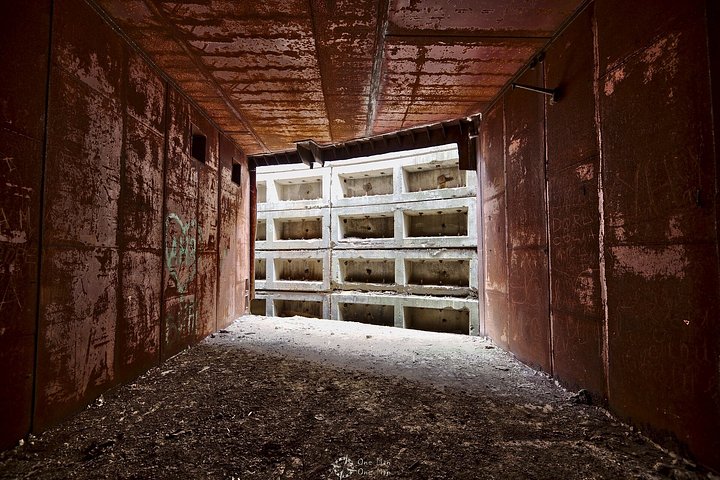
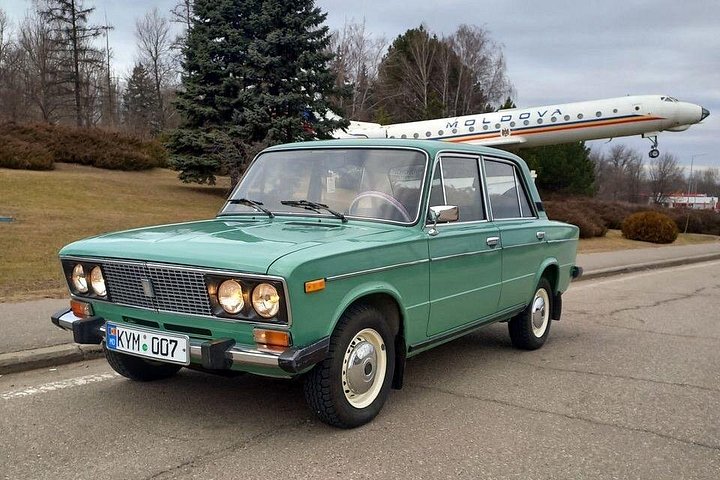
The trip fits well after a Chisinau city walk, which gives you context for the broader history. For a second Soviet-themed outing, add the vintage Lada tour or the Cold War bunker. If you prefer a gentler day afterward, visit a cellar or the central park.
Food and drink on the day
Expect a simple lunch at a local cafe, often with soups, dumplings or grilled meat, and a chance to taste local brandy if your tour includes a distillery stop. Prices are low, and portions are generous. Ask the guide to recommend dishes and to explain how the local menu differs from Moldovan fare. Carry some snacks and water in case the schedule runs long.
After the trip
Many travellers say the day raises more questions than it answers, which is part of its appeal. Spend the evening in Chisinau, where a wine bar or a cafe is a good place to compare impressions with other travellers. If you want to read more, ask your guide for recommendations on books and films about the region.
Return and onward plans
Tours return to Chisinau in the evening, so avoid booking a tight dinner or an early flight on the same day. If you leave Moldova the next morning, keep your passport and any permit paperwork in a safe place, and allow extra time at the airport.
Who should go
Travellers interested in history, politics and the unusual will find it rewarding. Those who prefer scenery and wine may prefer Orheiul Vechi or Cricova. If you are unsure, talk to your guide or hotel reception about how the trip runs and decide based on your comfort level.