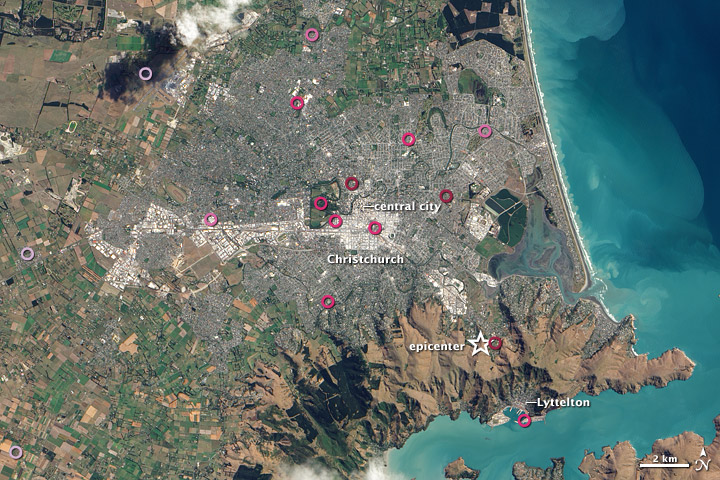
Quake City is an exhibition run by Canterbury Museum that tells the story of the Canterbury earthquakes of 4 September 2010 and 22 February 2011, and of the people who lived through them. It is housed at 299 Durham Street North in the central city and has become the best place for a visitor to understand why Christchurch looks the way it does today, with its mix of new buildings, open spaces and restored heritage. The exhibition draws on accounts from residents and from the emergency services, international rescue teams and volunteers who came to help, so it is as much about community and resilience as about geology. Objects on display include the fallen spire of Christ Church Cathedral, a bell from the Cathedral of the Blessed Sacrament and clocks from the demolished railway station, and a hands-on interactive explains liquefaction, the process that turned some of the ground to silt. It is a serious subject, handled with care, and most visitors leave with a deeper sense of the city.
What to do
Follow the exhibition in order, because it moves from the first quake through the aftermath to recovery and rebuilding, and give the personal stories the time they deserve. The liquefaction interactive is a good place to pause, since it makes an abstract process physical, and children often find it the easiest way into the topic. The objects from Christ Church Cathedral, the Catholic cathedral and the railway station anchor the story in places you can still find, or no longer find, as you walk around the city afterwards.
Planning
The exhibition is open from 10 am to 5 pm seven days a week and is closed only on Christmas Day. Adult admission is charged, and the tourism board lists adult tickets in a range of roughly twenty to twenty-five New Zealand dollars, so check the current price before you go.
Street parking is available nearby, and the central location makes it easy to reach on foot or by tram. The subject matter is emotional for many Cantabrians, so visitors should be sensitive, and parents of young children may want to preview what to explain.
Fitting it in
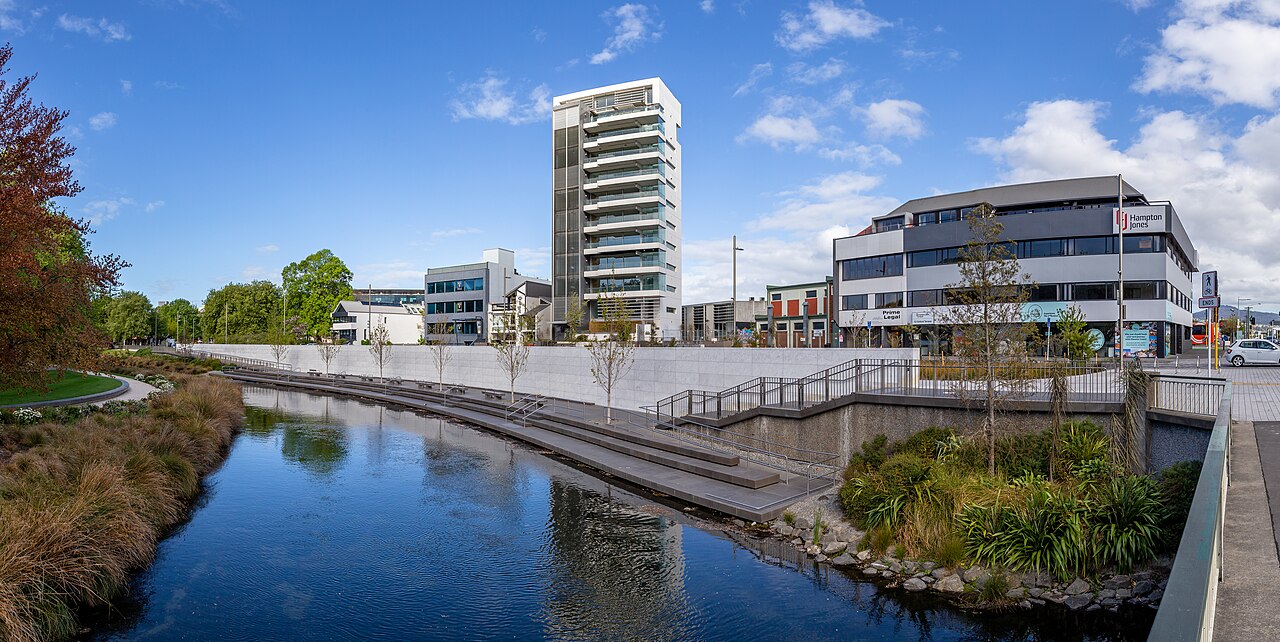
Plan roughly an hour or a little longer, and place it early in your stay so that the rest of the city makes more sense. It pairs naturally with the Canterbury Earthquake National Memorial by the river, a short walk away, and with a walk through the rebuilt centre and Cathedral Square.
If you are visiting on a wet day it is a good indoor choice, and it contrasts with the lighter pleasures of the gardens and the art gallery. Combined with Tūranga, the central library, it gives a thoughtful half day exploring how Christchurch has rebuilt itself.
What to expect
The experience
A self-guided exhibition about the 2010 and 2011 Canterbury earthquakes, with survivor accounts, objects from damaged landmarks and a hands-on liquefaction display.
Best time
Visit early in your stay to give context to the rebuilt city, or on a wet day when indoor options are welcome.
How long
About an hour, longer if you read the personal stories closely.
Tips
Check the current admission price, expect an emotional subject and combine it with the nearby memorial walk.
Quick picks
- Best for
- First-time visitors who want to understand the earthquakes and the rebuilding of the city.
- Families
- Suitable for older children, and the liquefaction interactive helps younger ones engage, though the subject is serious.
- Couples
- A thoughtful half-hour or hour, best followed by a walk along the river.
- Pair with
- Pair it with the Canterbury Earthquake National Memorial and a walk through Cathedral Square.
- Time needed
- About an hour.
Good questions
Where is Quake City?+
It is at 299 Durham Street North in the central city, within walking distance of the main sights.
When is it open?+
It is open from 10 am to 5 pm seven days a week and closed only on Christmas Day.
What is on display?+
Survivor and rescuer accounts, a hands-on liquefaction interactive, the fallen spire of Christ Church Cathedral, a bell from the Cathedral of the Blessed Sacrament and clocks from the old railway station.
Does it cost anything?+
Yes, adult admission is charged. The tourism board lists adult tickets at roughly twenty to twenty-five New Zealand dollars, so confirm the current price.
Is it suitable for children?+
It can be, especially the hands-on liquefaction display, but the subject is serious and some content may need explaining.