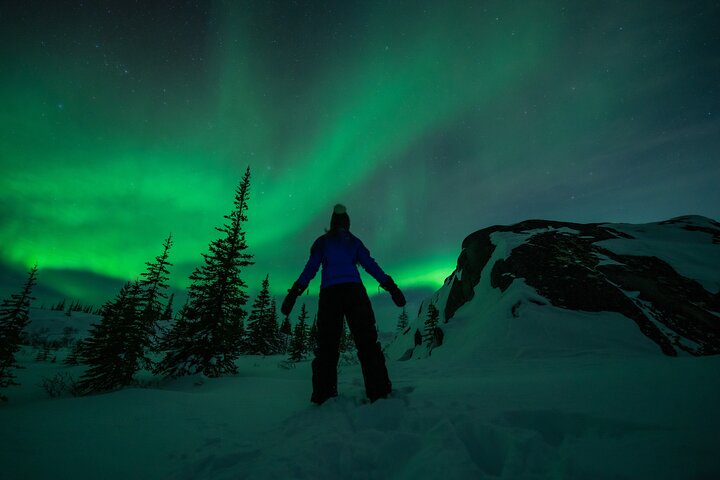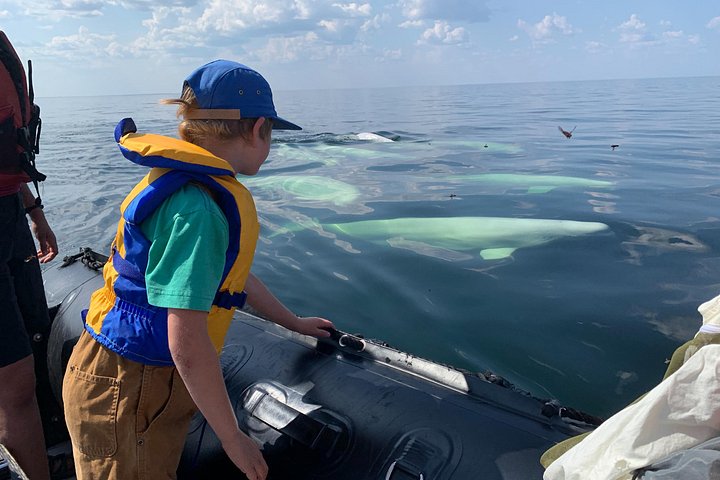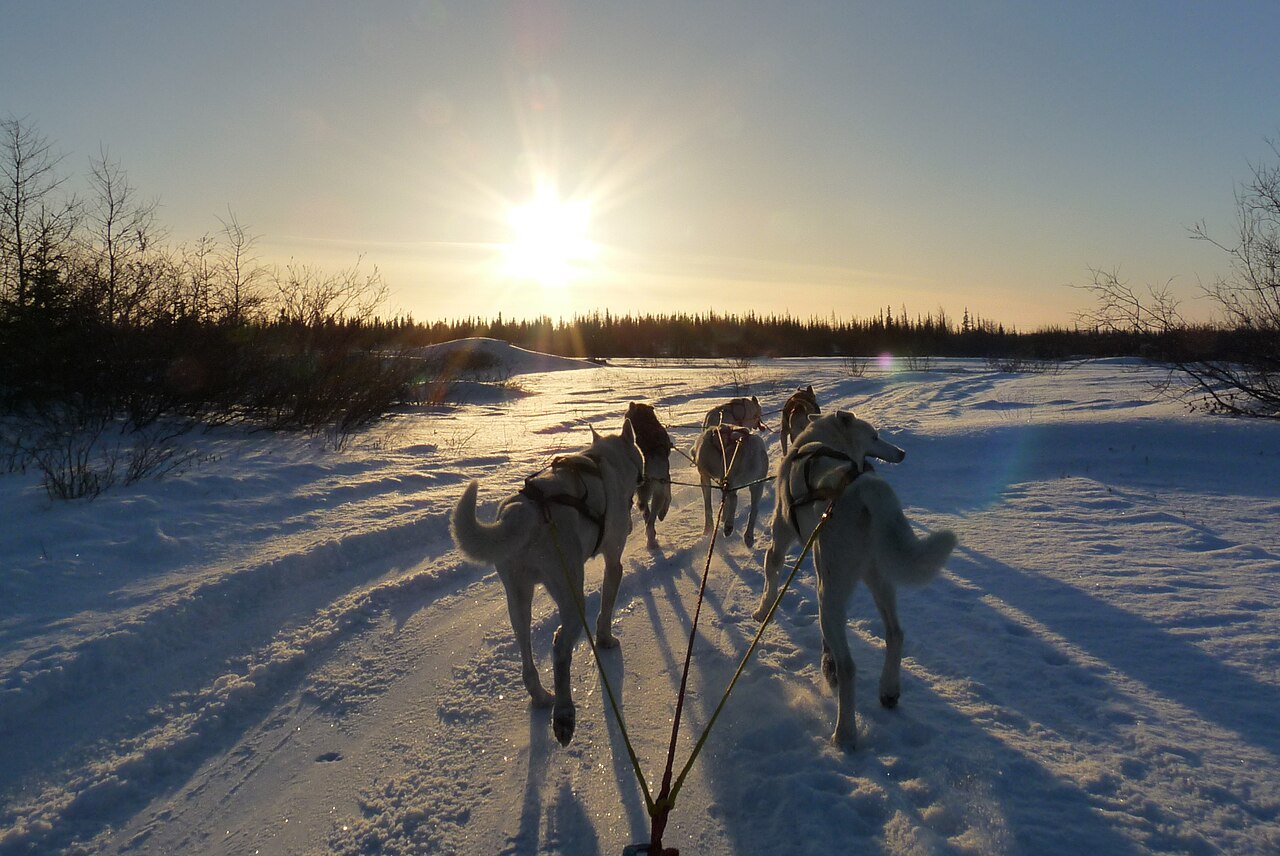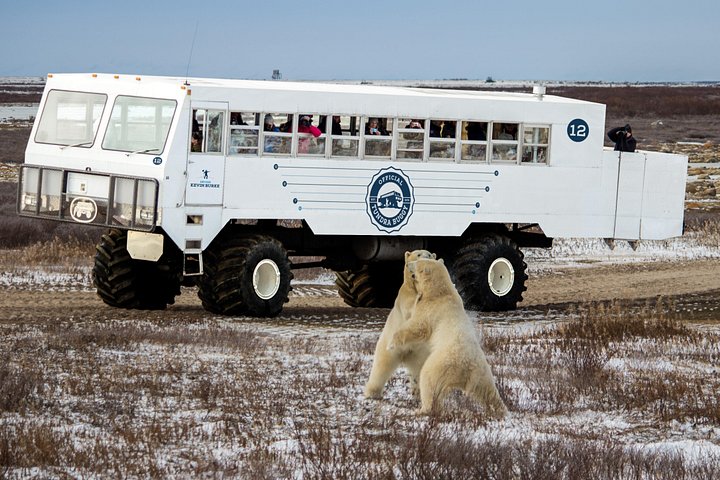
The Churchill Northern Studies Centre is a non-profit research and education station that sits in the Churchill Wildlife Management Area, more than 20 kilometres from the town, at a point where boreal forest, tundra and the Hudson Bay coast meet. Scientists, students and visitors stay there to study polar bears, belugas, birds and the aurora, and the centre also opens its doors to day visitors. The simplest way to see it is the one-hour self-guided tour, which comes with a handout and wayfinding signs and needs no booking. A day pass for non-members covers the public areas, including the outdoor observation deck, the Aurora dome, the library and the cafeteria, and the gift shop can be visited without a pass. Members are exempt from the day fee. Public hours are weekdays during the working day, so this is a daytime stop rather than an evening one, unless you join a programme that includes the dark hours. Because the building is far from the lights of town, it is also one of the darkest places in the region.
If you want more than a wander, book a guided tour at least 24 hours ahead. The centre offers a Green Building Tour of about an hour indoors, which explains the history of the centre, its LEED-certified building and its self-sustaining features, and takes in the outdoor platform and the indoor Aurora dome. A Current Research Lecture of about an hour covers the local ecology, where three ecological zones come together, and the research projects under way, and a virtual option is available.
The Historic Rocket Range Tour is described on its own page on this site. Guided tours must start at least an hour before the centre closes, and group sizes and prices depend on the tour, so ask when you book. A programme called Road to Research runs on select dates and bundles transport out to the centre with two guided tours.
The centre is also known for its multi-day learning vacations, which are built around belugas, bears, birds or the northern lights. These are residential, with dorm-style accommodation, meals and lectures, and they are the most immersive way to spend time at the site. They suit curious travellers who want expert interpretation rather than a quick look, and they are sold in advance, so check what is on offer for the season you want.
Getting there takes a little planning, because the centre is not in town and Churchill has few taxis. Arrange transport when you book a tour, or go with an operator that includes it. Treat the surroundings as polar bear country at all times: do not walk away from the building on your own, and follow the staff's instructions.
Dress for the weather, bring a camera and remember that aurora viewing from the dome depends on clear skies and on being there at night, which the public day hours do not cover. Pair a visit with the Itsanitaq Museum in town or with an aurora evening in the winter season.
A few practical points help the day go smoothly. Public hours are on weekdays, so a weekend arrival means waiting until Monday. The cafeteria is handy for a hot drink, though ask about meal times before you rely on it. If you are interested in the science, ask about the current research projects, which change over time and often involve polar bears, birds, climate or the aurora.
The gift shop is a pleasant way to support the centre. Younger children may find a long visit tiring, so the self-guided tour is the better choice for them, with the dome and the deck as the highlights.
What to expect
The experience
A self-guided or guided visit to a working research station, with an observation deck, an Aurora dome, a library, a cafeteria and a gift shop.
Best time
Weekday daytime for the public tour; winter for aurora programmes and the learning vacations.
How long
About one hour for the self-guided tour, plus travel time from town.
Tips
Book guided tours at least 24 hours ahead, arrange transport out of town and dress for the weather.
Quick picks
- Best for
- Curious travellers who want science and context alongside the wildlife.
- Families
- Good for school-age children who like science, with a short self-guided tour that is easy to fit in.
- Couples
- A thoughtful daytime outing, or a full learning vacation for a special trip.
- Pair with
- The Itsanitaq Museum, the Rocket Range tour and an aurora evening.
- Time needed
- Allow half a day including the trip out and back.
Good questions
Can the public visit the Churchill Northern Studies Centre?+
Yes, day visitors can take a self-guided tour or book a guided tour. A day pass covers the public areas for non-members, and the gift shop is open without one.
What are the opening hours?+
Public hours are on weekdays during the working day. Guided tours must start at least an hour before closing, so check the current hours before you go.
Is it in town?+
No, it is more than 20 kilometres outside town in the Churchill Wildlife Management Area. You need to arrange transport, and Churchill has no road link to the rest of Canada.
Can I see the northern lights there?+
The centre has an Aurora dome and an observation deck, but public day hours do not cover the dark hours. Evening viewing is part of its aurora programmes and learning vacations.
What are the learning vacations?+
They are multi-day residential programmes built around belugas, bears, birds or the northern lights, with lectures, meals and dorm-style lodging. Check what is offered for your season.