Costa Maya is warm all year, so the question is less about when it is warm and more about when it is pleasant, dry and quiet. The answer depends on what you want to do, but the broad pattern is simple: a drier, cooler season in winter, a hotter and wetter season in summer and early autumn, and a hurricane season that overlaps with the wet months. Conditions vary from year to year, so treat the guidance below as a general pattern, not a guarantee.
The dry season, roughly November to April
This is the most popular time to visit. Rain is less frequent, humidity eases and daytime temperatures are comfortable for walking around ruins or the boardwalk. Seas are often calmer and skies clearer, which suits snorkeling, diving and beach clubs. It is also the busiest period for cruise calls and hotel demand, so book hotels, the Chacchoben trip and any scuba or fishing outing early, especially around holidays. Evenings can be breezy, so a light layer is useful, and winter winds can bring kitesurfing and windsurfing conditions, as the tourism board notes.
The hot, wet months, roughly May to October
Temperatures and humidity climb, and afternoon showers are common. Mornings are often clear, so plan big outings early and keep afternoons flexible for the beach or a cooking class. The upside is fewer visitors, lower hotel rates in many places and greener jungle. The downside is heat, which makes the ruins more demanding, and the possibility of storms that can disrupt boat trips.
Hurricane season
The Atlantic hurricane season runs from June to the end of November, and the Caribbean coast of Mexico can be affected, with the risk generally highest from late summer into autumn. Most days are unaffected, but if you travel in this period, buy flexible travel insurance, choose rates with free cancellation where possible, keep an eye on forecasts and follow local guidance. Cruise itineraries can change when storms threaten.
Seaweed
Sargassum seaweed washes up on parts of the Caribbean coast in some seasons and some years, and guest reviews of Mahahual hotels sometimes mention it. It varies from week to week and from beach to beach, and it can affect swimming from the shore and the smell on the sand. It tends to be a more frequent issue in the warmer months, but patterns change. Ask your hotel for current conditions, and remember that a pool, a boat trip to the reef or a beach club that clears its frontage can solve the problem.
By activity
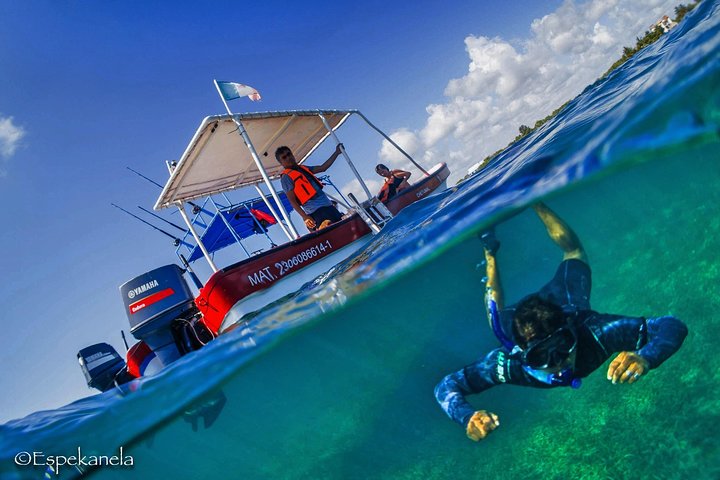
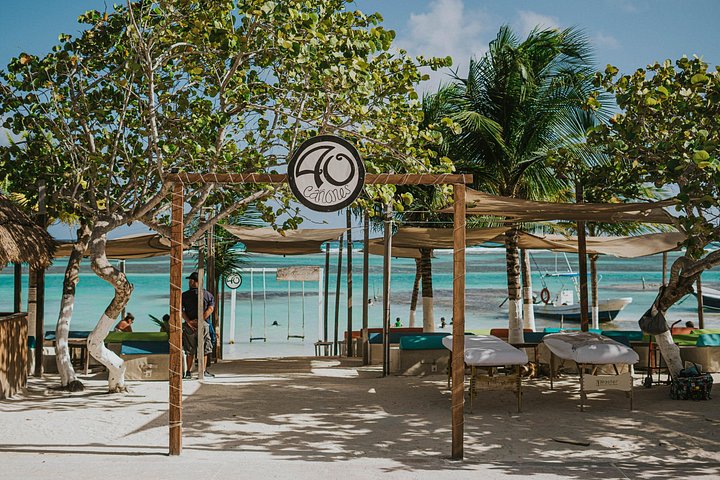
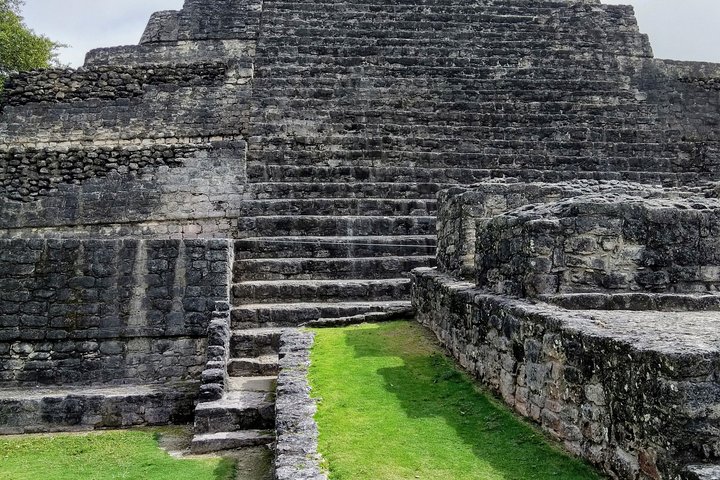
For snorkeling and diving, calm seas and good visibility matter most, which often points to the drier months, though conditions vary day by day. For the Chacchoben ruins, go early in the day at any time of year to beat the heat, and wear shoes with grip, since paths can be slippery after rain. For birdwatching, cooler months can bring migrants passing through the region. For beach clubs and massages, any time works, though a rainy afternoon is better spent on a cooking class or a tasting. For fishing, ask the captain what is running in your season rather than expecting one answer.
Crowds and cruise days
The town is quietest when no ship is in port and busiest when several arrive together. If you are staying overnight, plan your beach and boardwalk time for early morning, late afternoon and evening, when day-trippers have left. If you are on a ship, go early to the bigger sights and keep a generous margin before all-aboard.
Packing by season
Year-round, bring sun protection, a hat, repellent and reef-safe sunscreen. In the wet months add a light rain layer and quick-dry clothing. In the dry months add a light cover-up for breezy evenings.
Bottom line
For the most reliable weather, aim for the dry months and book early. For quiet and value, consider the shoulder periods, accept some rain and keep your plans flexible. Check current travel advisories from your own government before you go and again before you travel.
A simple rule of thumb
If you want guaranteed sun and calm seas, go in winter and book early. If you want fewer people and lower prices, go in the shoulder months at the edges of the dry season, and carry a flexible plan. If you are traveling with children, older relatives or anyone sensitive to heat, the cooler months are kinder, and a hotel with a pool is a useful backup whenever the sea is not at its best.
Planning a flexible day
Whatever the season, plan one outing in the morning, keep the middle of the day for shade, lunch and a swim, and leave late afternoon for the boardwalk. That rhythm works in every month and keeps a change of weather from spoiling the trip.