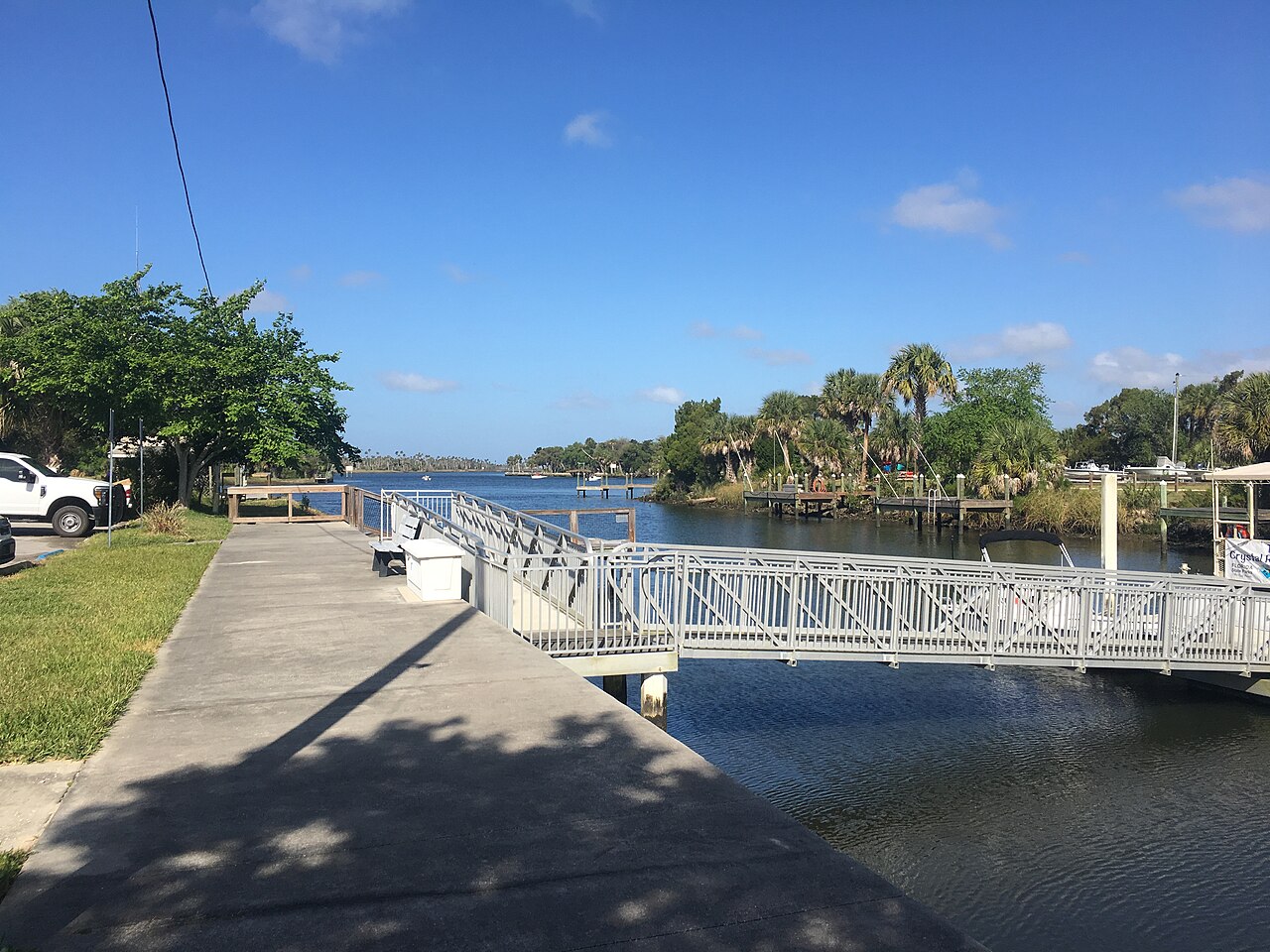
Away from the boats and the springs, Crystal River Preserve State Park protects a huge stretch of the Gulf coast in its natural state. Salt marsh, pine flatwoods, hardwood hammocks and tidal creeks run for miles, offering hiking, birdwatching and a taste of old Florida. It is a quiet counterpoint to the busy bay and an easy half-day for visitors who like their nature slow and free of crowds.
The preserve covers many thousands of acres, making it one of the larger protected coastal areas in the region. Its habitats grade from open marsh and mudflats at the water's edge to oak and cabbage palm hammocks, pine woods and freshwater swamps farther inland. That variety supports a long list of species, including wading birds, raptors, shorebirds, deer, bobcats, river otters and gopher tortoises.
Visitors most often use the trails, which vary in length and difficulty, and the parking areas near trailheads and the Gulf. Ask at the park or check its page for current trail status, since coastal weather can affect conditions.
Birdwatching is the strongest draw. In cooler months, migrants and wintering waterfowl join the year-round residents, and the marsh edges can hold large flocks of egrets, herons, ibises and roseate spoonbills at the right tide. Early morning is best, with soft light and calm air. Bring binoculars and a field guide, move quietly and stay on marked paths. Photographers will find reflections in the tidal creeks and dramatic skies over the marsh. Interpretive programs and guided walks are offered by the park from time to time, and are worth catching if the schedule fits.
Come prepared. Florida's coast brings sun, humidity, insects and the occasional afternoon storm, so carry water, apply repellent and wear a hat. Closed shoes are better than sandals on uneven ground, and long, lightweight sleeves help in biting-fly season. Cell coverage can be patchy, so download a map before you go.
The preserve pairs well with a visit to the nearby archaeological park, a drive along the Fort Island Trail or a paddle on the Crystal River. It is especially rewarding in winter and spring, when temperatures are comfortable for walking and bird activity is high.
Choose your route according to your energy and the weather. Shorter trails give you a taste of the habitats and are suitable for families with younger children, while longer loops take you deeper into the marsh and hammock and reward you with quiet and the chance of seeing deer or tortoises. After rain, low areas can be wet or buggy, so check conditions at the park before you set out.
Photographers should aim for the hours just after sunrise and before sunset, when the light is warm and wading birds are active. Bring a small notebook or a bird app if you like to keep a list, and take a moment to sit still, since wildlife often appears once you stop moving.
Wear a hat and long sleeves, carry water, and tell someone where you are going, because the preserve is large, shade can be patchy and signal can be weak. Winter and spring are the most comfortable seasons, and weekdays are the quietest.
Even a short visit leaves a strong impression of how much of this coast is still wild, which makes the preserve a fine counterweight to the busier waterfront.
What to expect
The experience
A self-guided visit with trails through marsh, hammock and pine woods, plus birdwatching and quiet scenery.
Best time
Winter and spring are comfortable and best for birds; mornings are calm.
How long
Two to three hours, longer for a full hike.
Tips
Bring water, repellent and binoculars, wear closed shoes and download a map.
Quick picks
- Best for
- Birders, hikers and photographers.
- Families
- Short trails suit children who like exploring.
- Couples
- A peaceful walk away from the crowds.
- Pair with
- The archaeological park or a drive along the Fort Island Trail.
- Time needed
- Half a day.
Good questions
What is there to do?+
Hiking, birdwatching and photography along trails through marsh, hammock and pine woods.
Is there an entry fee?+
Some trailheads are free and others may charge a small fee. Check the park page for current details.
When is the best time to go?+
Winter and spring, when temperatures are mild and migratory birds are present.
What wildlife can I see?+
Wading birds, raptors, deer, otters, tortoises and, with luck, spoonbills.
Do I need insect repellent?+
Yes, especially near the marsh in warm months.