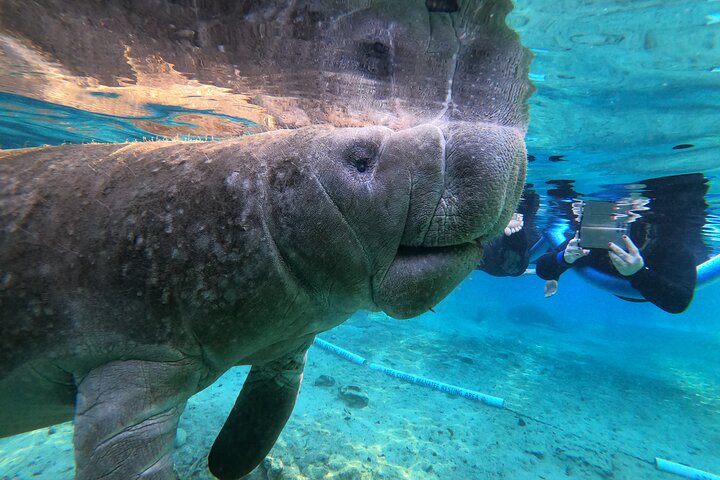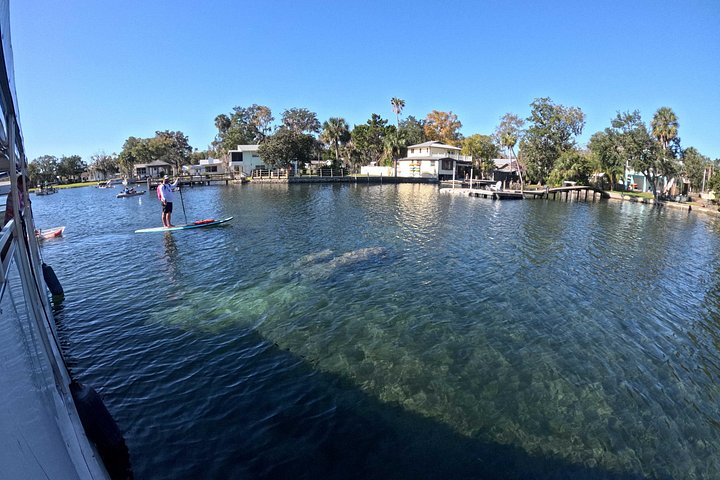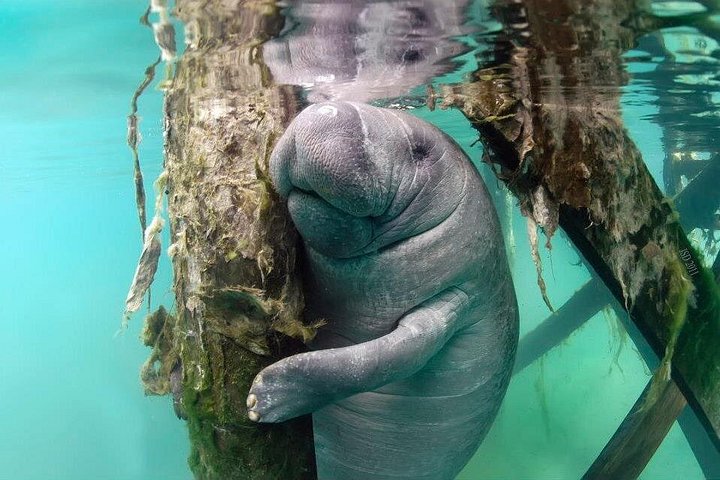
Crystal River is one of the few places in the United States where visitors can enter the water with wild manatees under regulated conditions, and the experience is the reason many people plan a trip. Done well, it is calm, humbling and unforgettable. Done badly, it can disturb animals and disappoint swimmers. This guide explains how it works so you can choose well and behave well.
Why manatees come here
Manatees are tropical mammals that cannot tolerate cold water for long. Kings Bay is fed by roughly seventy springs that hold the water near seventy-two degrees, so when Gulf temperatures drop in late autumn, manatees migrate into the bay and springs to stay warm. The largest gatherings occur on cold mornings in winter, when dozens may rest in a single spring. In summer the animals spread out along the coast, and fewer remain in the bay.
The rules
The refuge and the state set conduct rules, and every reputable operator briefs guests on them. You may not touch, grab, chase, ride, feed or give water to a manatee. You should not block an animal's path or dive down on it. Instead, float quietly at the surface and let the manatee decide whether to approach. Sunscreen is discouraged because it can affect the water, so apply it sparingly or wear a rash guard. Some areas are designated sanctuaries and are closed to swimming during the winter months.
Choosing a tour
Operators vary in group size, boat type, price and style. Smaller groups tend to give you more guide attention and a calmer encounter, while larger boats may offer lower prices. An in-water guide helps nervous swimmers and keeps the group on the right side of the rules. Photo packages are common, with an in-water photographer or a guide-operated camera. Heated boats and good wetsuits matter in winter. Read recent reviews, check the operator's licensing and ask about cancellation terms and what happens if conditions are poor.
What happens on the day
Most trips begin at a dock with a briefing and a wetsuit fitting. A short boat ride takes you to a spring area where manatees are resting. The guide enters first to check conditions, then invites the group in. You float with a mask, snorkel and flotation device, watching animals nearby. Sessions last about an hour in the water, depending on conditions, with the total trip taking around three hours. Sightings are never guaranteed, and honest operators say so.
How to prepare
Wear a swimsuit under your clothes, bring a towel, a warm layer and a windproof jacket for the boat ride, and have a change of clothes ready. Eat a light breakfast. If you wear glasses, ask about prescription masks or bring contacts. Practice breathing through a snorkel if you are not used to it. Non-swimmers should ask about vests and whether staying on the boat is an option.
Season and timing
The best chances come from late autumn through early spring, with the coldest mornings usually the busiest. Weekdays are quieter than weekends, and early departures tend to have calmer water and fewer boats. Summer tours operate too, with fewer animals but warm water and a relaxed feel. Pre-season and shoulder-season trips are often cheaper and less crowded.
If you would rather stay dry
Boat cruises, boardwalks and clear-kayak tours offer ways to see manatees without swimming. Three Sisters Springs is a good choice in winter, and the Homosassa Springs observatory shows manatees from below. These are especially good for young children and older visitors.
Leave it better
Choose operators who respect the rules, avoid crowding animals, keep your distance when boats are nearby and report problems to the refuge. Manatees are slow and vulnerable, and the best tours treat them as the hosts.
Common mistakes to avoid
Do not wear heavy sunscreen into the water, do not chase or reach for an animal, and do not stand on the bottom or kick up sediment. Do not expect a guarantee; wildlife is unpredictable, and a quiet day is still a good day. Do not skip the briefing, and do not rush to be first in the water. Finally, do not forget to thank your guide, who works hard to keep animals and guests safe, and consider leaving a gratuity if the trip went well.
Questions to ask when booking
How many guests are on the boat, and how many in the water at once? Is there an in-water guide? Are wetsuits and snorkel gear included, and are they heated or insulated in winter? What is the cancellation policy for cold or rough weather? The answers tell you a lot about how the operator runs its trips.