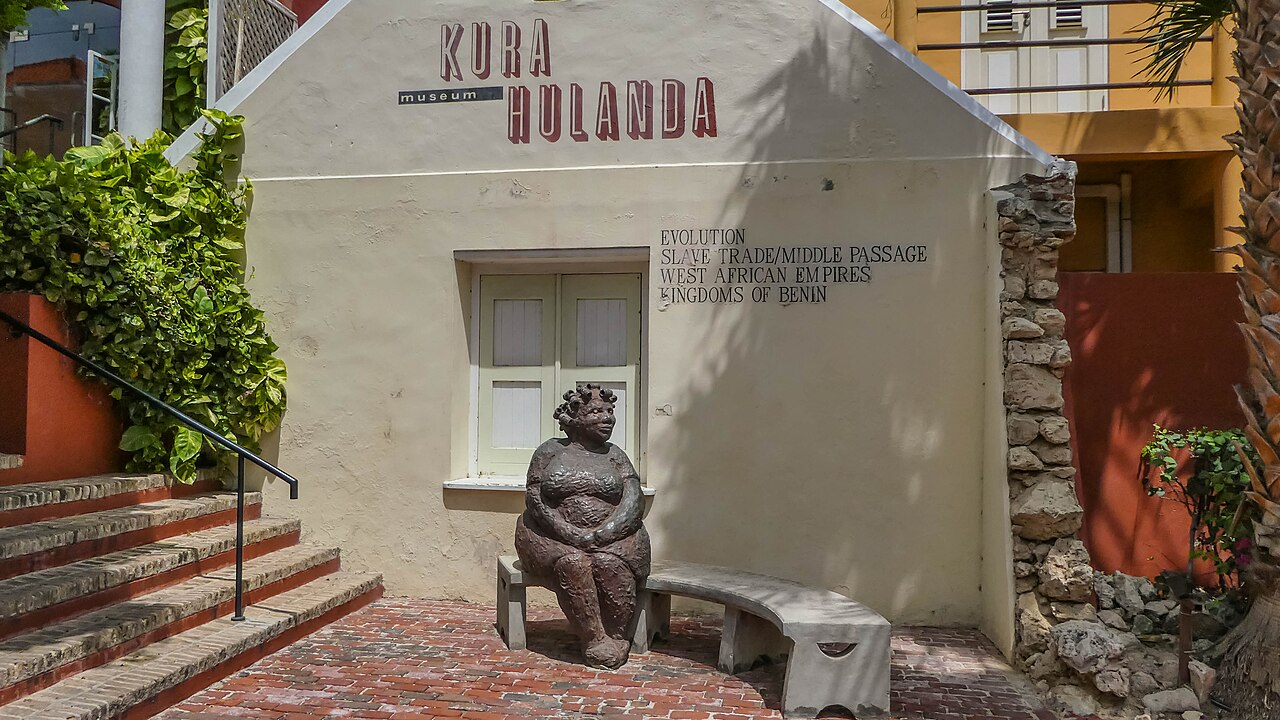
The Kurá Hulanda Museum is on Klipstraat in Otrobanda, within the restored buildings of Kurá Hulanda Village, which were once part of a slave-trading post. It was founded in 1999 by Dutch philanthropist Jacob Gelt Dekker and holds more than 5,000 artifacts across five permanent exhibitions. They cover West African kingdoms, the transatlantic slave trade and Mesopotamia, the Land of Abraham, among other themes. The slave-trade section is the heart of the visit, with an honest and often painful account of how Curaçao served as a trading hub in the Atlantic system, and it gives context to the culture, language and faces of the island today. The museum is open Monday to Saturday from 8 am to 4 pm and on Sunday from 9 am to 2 pm, and guided tours are recommended and available in Papiamentu, Dutch, English and Spanish.
What to expect: the museum is laid out around courtyards, and the exhibits are dense, so give yourself at least ninety minutes and a guide if you can. The West African section includes sculpture, masks and objects from several kingdoms, and the slave-trade exhibition uses documents and reconstructions to explain how people were bought, sold and transported. It is a serious subject, so it is best suited to teenagers and adults. The gift shop sells postcards, sculptures, masks and books, and items there are good for souvenirs with a story.
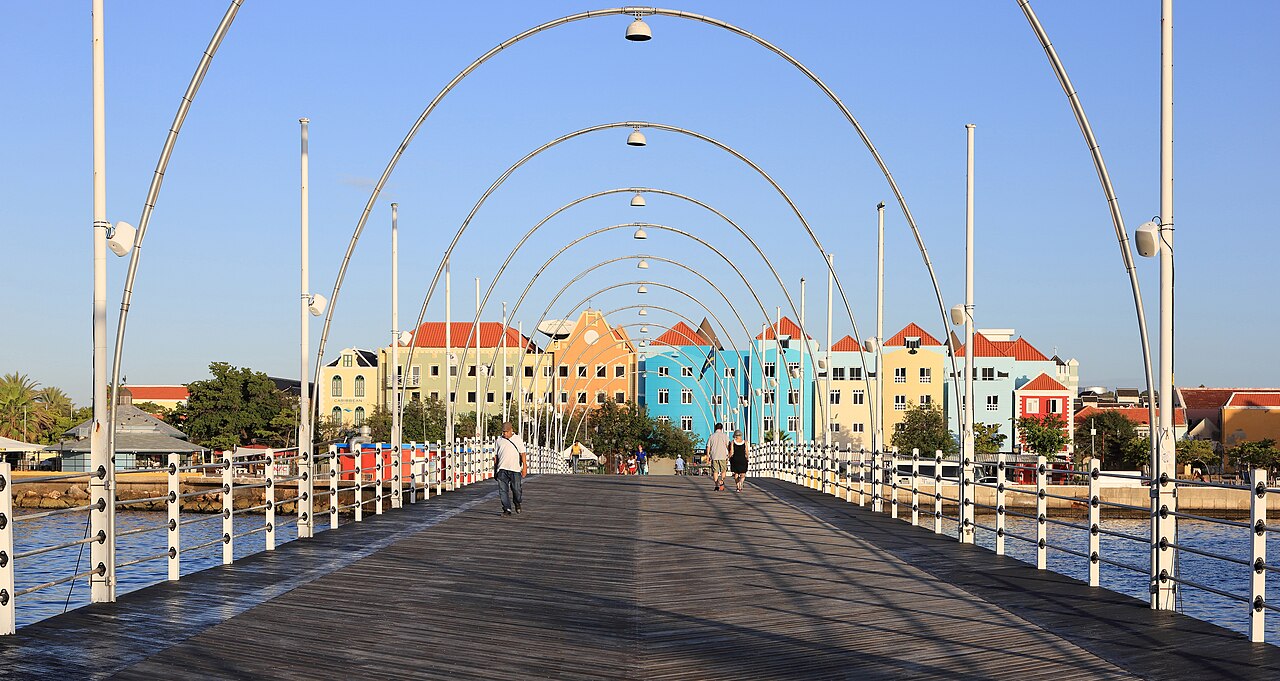
Getting there and timing: the museum is in Otrobanda, a ten-minute walk from the Queen Emma Bridge, and it sits in the heart of the area's cafes and galleries. Tickets can be bought at the door or online through the museum's site, and since there are no listed closures, hours are the key factor. Weekdays are the quietest, and cruise-ship days bring groups, so arrive when doors open if you want a calm visit. The museum phone is listed for questions about group bookings and guided tours.
Making a day of it: Otrobanda is one of the most walkable parts of Willemstad, and the museum fits between a morning in Punda and a late lunch on the western side of the bay. Many visitors read the story of slavery here and then walk to the UNESCO-listed streets to see the houses and quays that were part of the same trade. If you are staying at Kurá Hulanda Village and Spa, the museum is on site and you can visit at a leisurely pace.
What to expect
The experience
A guided or self-guided museum visit through five permanent exhibitions in restored Otrobanda buildings.
Best time
Open early on weekdays for a calm visit; avoid busy cruise days if you want quiet galleries.
How long
About ninety minutes to two hours, longer with a guide.
Tips
Take a guided tour if possible, expect emotionally heavy material and check hours, especially on Sundays.
Quick picks
- Best for
- History lovers and anyone who wants to understand Curaçao's past beyond the pastel waterfront.
- Families
- Best for teenagers and older children; the slave-trade exhibit is heavy for the very young.
- Couples
- A thoughtful, serious stop that pairs well with a relaxed Otrobanda dinner.
- Pair with
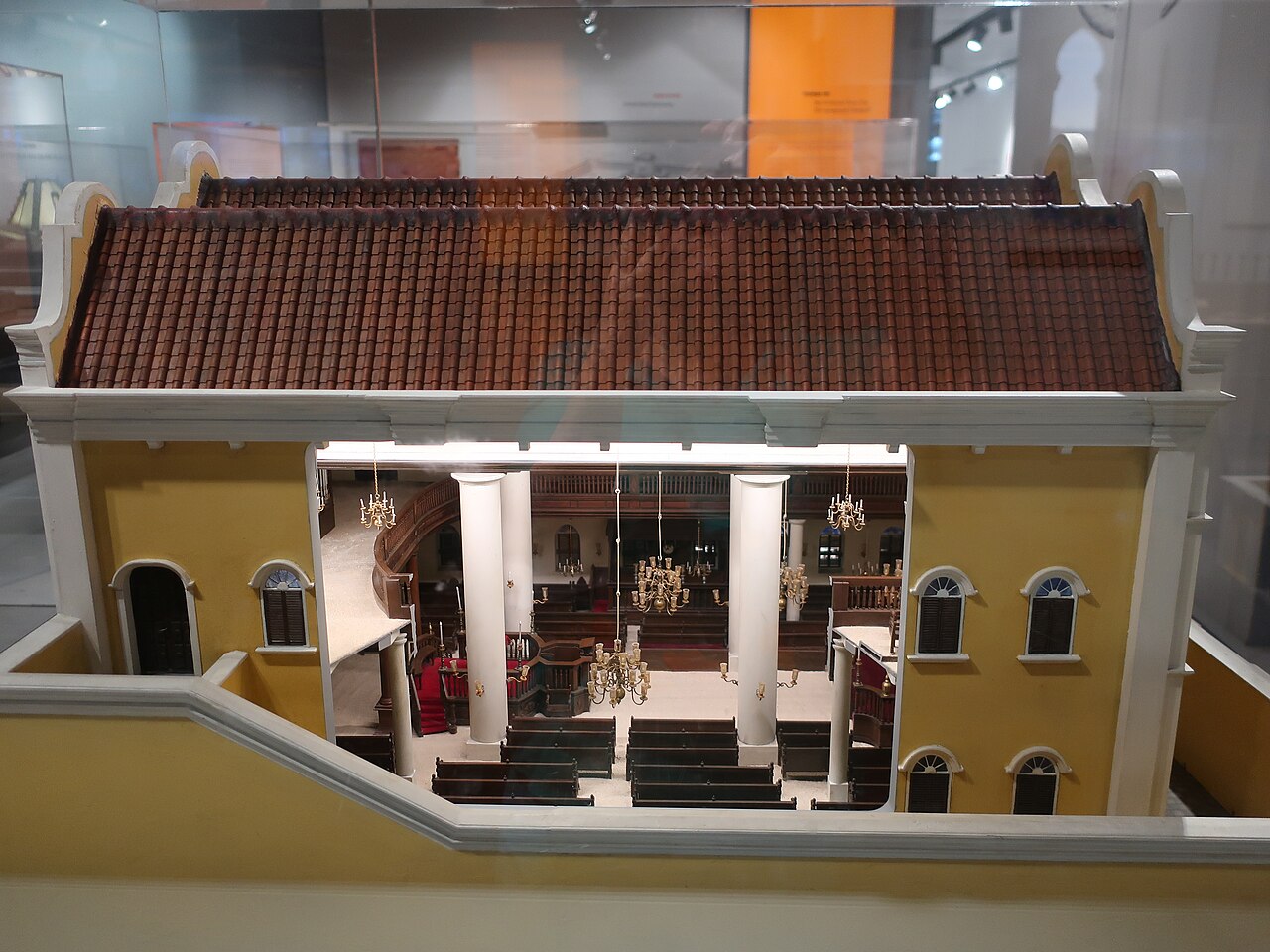
- The Mikvé Israel-Emanuel synagogue, the Queen Emma Bridge and Otrobanda cafes.
- Time needed
- One and a half to two hours.
Good questions
What are the museum hours?+
It is open Monday to Saturday from 8 am to 4 pm and on Sunday from 9 am to 2 pm. Confirm hours before you go, especially around holidays.
What does the museum cover?+
It has five permanent exhibitions with more than 5,000 artifacts, including West African kingdoms, the transatlantic slave trade and Mesopotamia. The slave-trade section is the focus.
Are guided tours available?+
Yes, guided tours are recommended and are offered in Papiamentu, Dutch, English and Spanish. Booking ahead is wise for groups.
Is it suitable for children?+
It is best for teenagers and older children because of the subject matter. Younger children may find the content difficult.
Where is it?+
It is at Klipstraat 9 in Otrobanda, within Kurá Hulanda Village and a short walk from the Queen Emma Bridge.