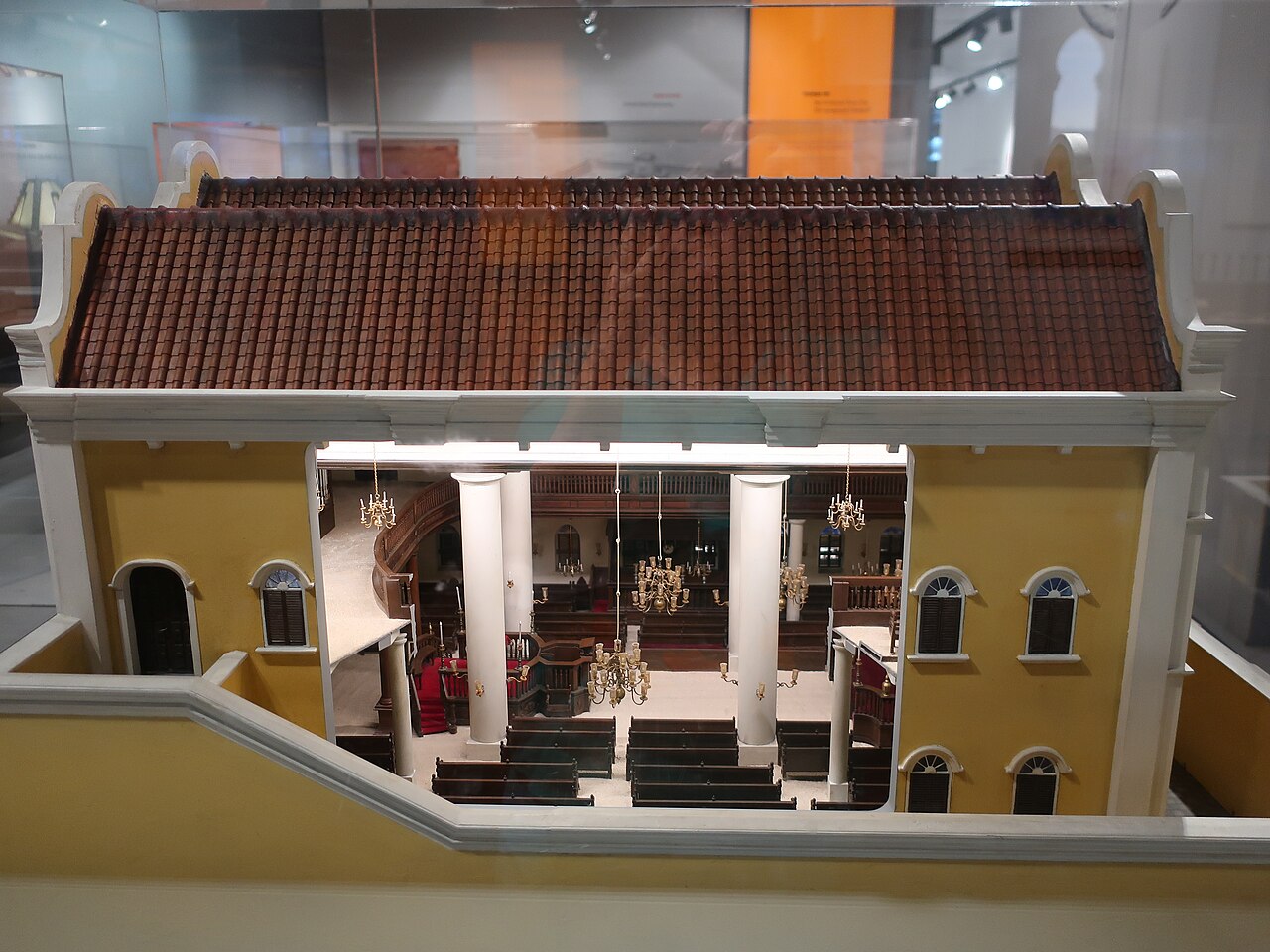
The Mikvé Israel-Emanuel Synagogue stands on Hanchi di Snoa in Punda and was consecrated in 1732, making it more than 280 years old. It was modeled on the Portuguese Synagogue of Amsterdam and is still an active congregation, which is part of why it is celebrated as one of the oldest synagogues in continuous use in the Americas. Visitors step in through a quiet courtyard and onto a floor covered in sand, a tradition tied to the exodus and to the secret worship of Sephardic Jews in Europe, and sit among mahogany benches and brass chandeliers. The adjoining Jewish Cultural Historical Museum displays religious artifacts from the congregation's history, such as Torah scrolls and Hanukkah lamps, plus antique personal and household items. It is open to visitors on weekdays, with a modest entrance fee that supports the upkeep of the building, and children under 13 enter free.
Why it matters: Curaçao's Sephardic community arrived in the seventeenth century and played a central role in the island's trade, which is one reason so much of Willemstad's history is tied to this building. The synagogue is not a museum piece. Services are held on Friday evenings and Saturday mornings and on festival days, and visitors should avoid those times. The museum is small, so you will not need long, but the building itself rewards slow looking.
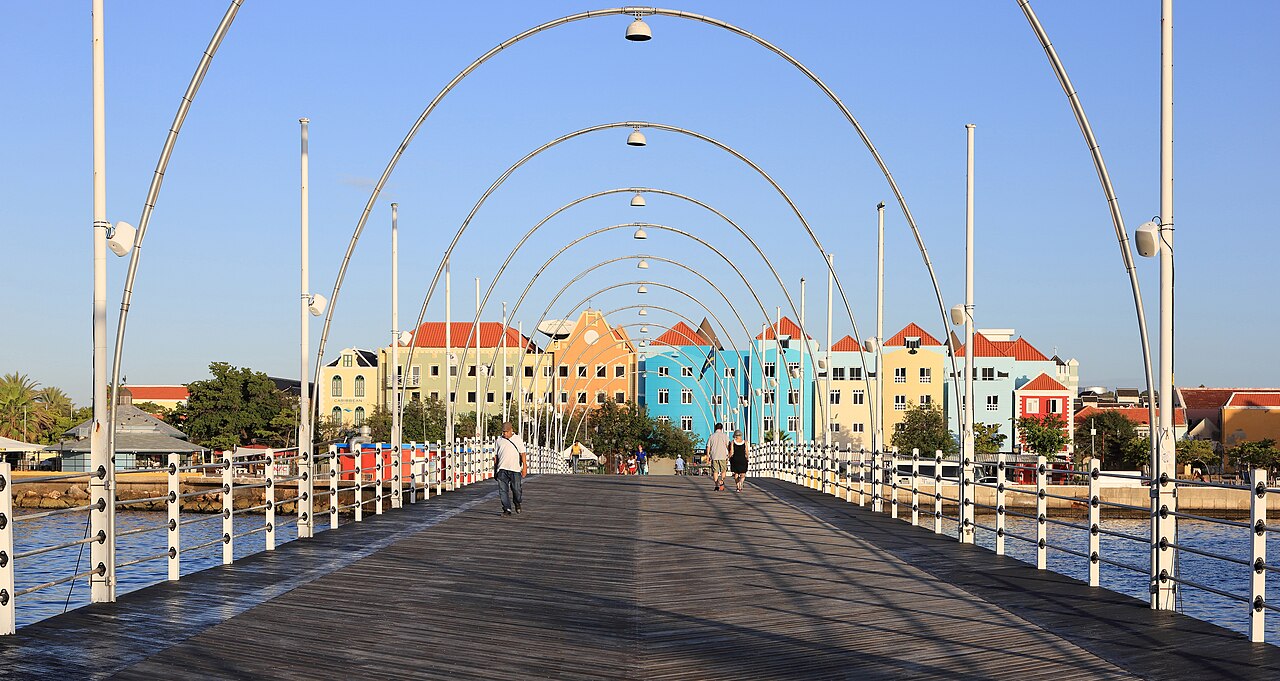
Practical details: opening hours are weekdays from morning through late afternoon, and the entrance fee is around ten US dollars for adults, which goes toward maintaining the building. Dress respectfully, with covered shoulders and knees, as a sign of courtesy. Photography rules can vary, so ask at the entrance. The synagogue is a short walk from the Queen Emma Bridge, so it fits neatly into a Punda morning.
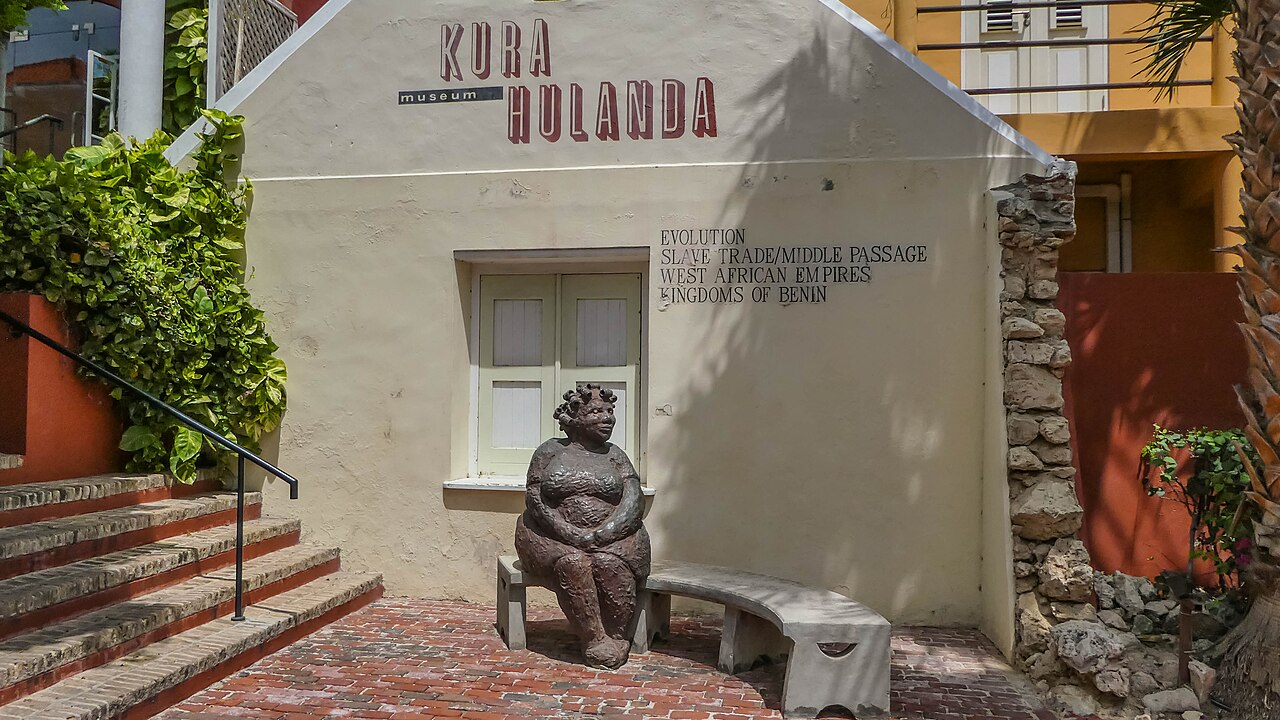
How to combine: pair it with the Kura Hulanda Museum on the other side of the bridge to see two very different sides of the island's history, with the Handelskade waterfront and the Blue Curaçao distillery making a full day. If you only have time for one museum-style stop in Punda, this is the one. Check opening hours before you go, since the congregation sets its own calendar for services and holidays, and consider calling ahead if you are traveling with a group.
What to expect
The experience
A self-guided visit to the sand-floored sanctuary and the adjoining Jewish Cultural Historical Museum.
Best time
Weekday mornings are quiet, and the building is closed to visitors during worship times on Fridays and Saturdays.
How long
About 45 to 60 minutes for the synagogue and museum.
Tips
Dress modestly, expect a small entrance fee, check hours before you go and avoid service times.
Quick picks
- Best for
- History lovers and curious first-timers who want depth beyond the colorful facades.
- Families
- Works for older children interested in history; under-13s enter free but the visit is quiet.
- Couples
- A calm, atmospheric stop before lunch on the waterfront.
- Pair with
- The Queen Emma Bridge, Kura Hulanda Museum and the Blue Curaçao distillery.
- Time needed
- About an hour.
Good questions
When was the synagogue built?+
It was consecrated in 1732 and modeled on the Portuguese Synagogue of Amsterdam. It is still used by an active congregation.
Why is the floor covered in sand?+
The sand floor is a tradition linked to the exodus and to the secret worship of Sephardic Jews in Europe. It is a distinctive feature of the sanctuary.
What are the opening hours?+
It is open to visitors Monday to Friday from morning to late afternoon. It closes to visitors for worship on Friday evening, Saturday morning and festival days.
How much does it cost?+
Entry is around ten US dollars per adult, which supports the upkeep of the building, and children under 13 are free. Confirm current prices at the door.
Is there a dress code?+
Dress respectfully with covered shoulders and knees. It is an active place of worship.