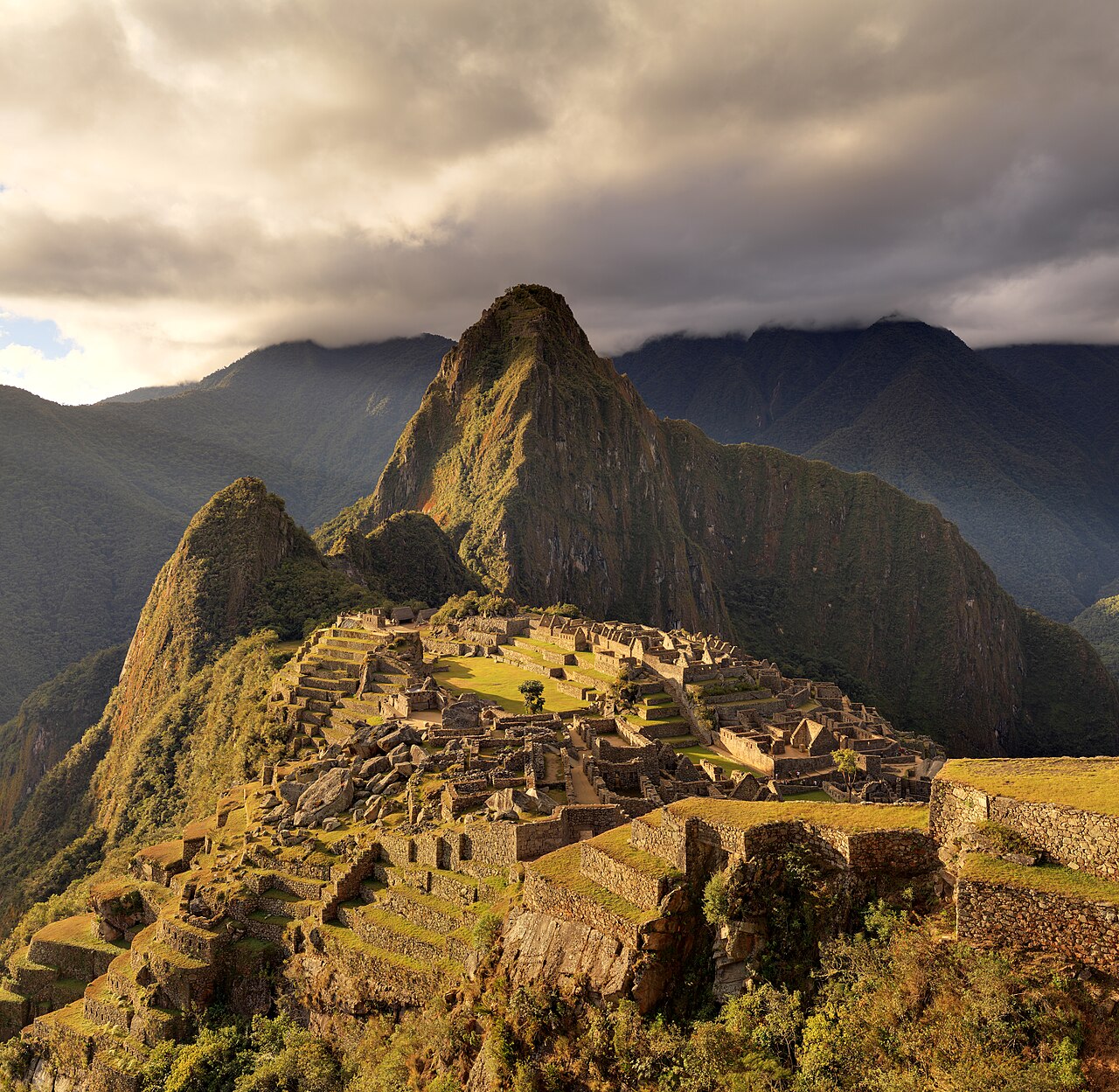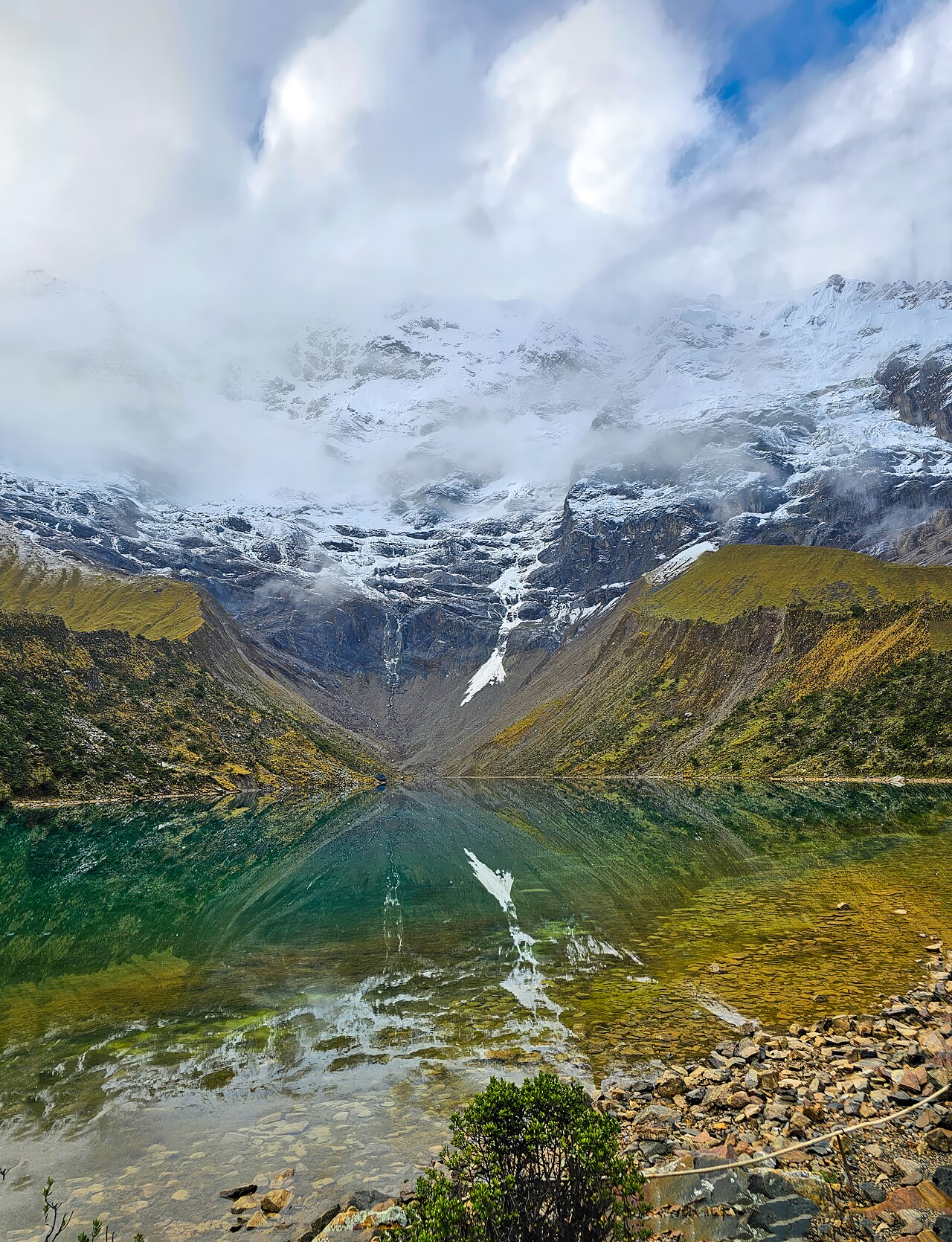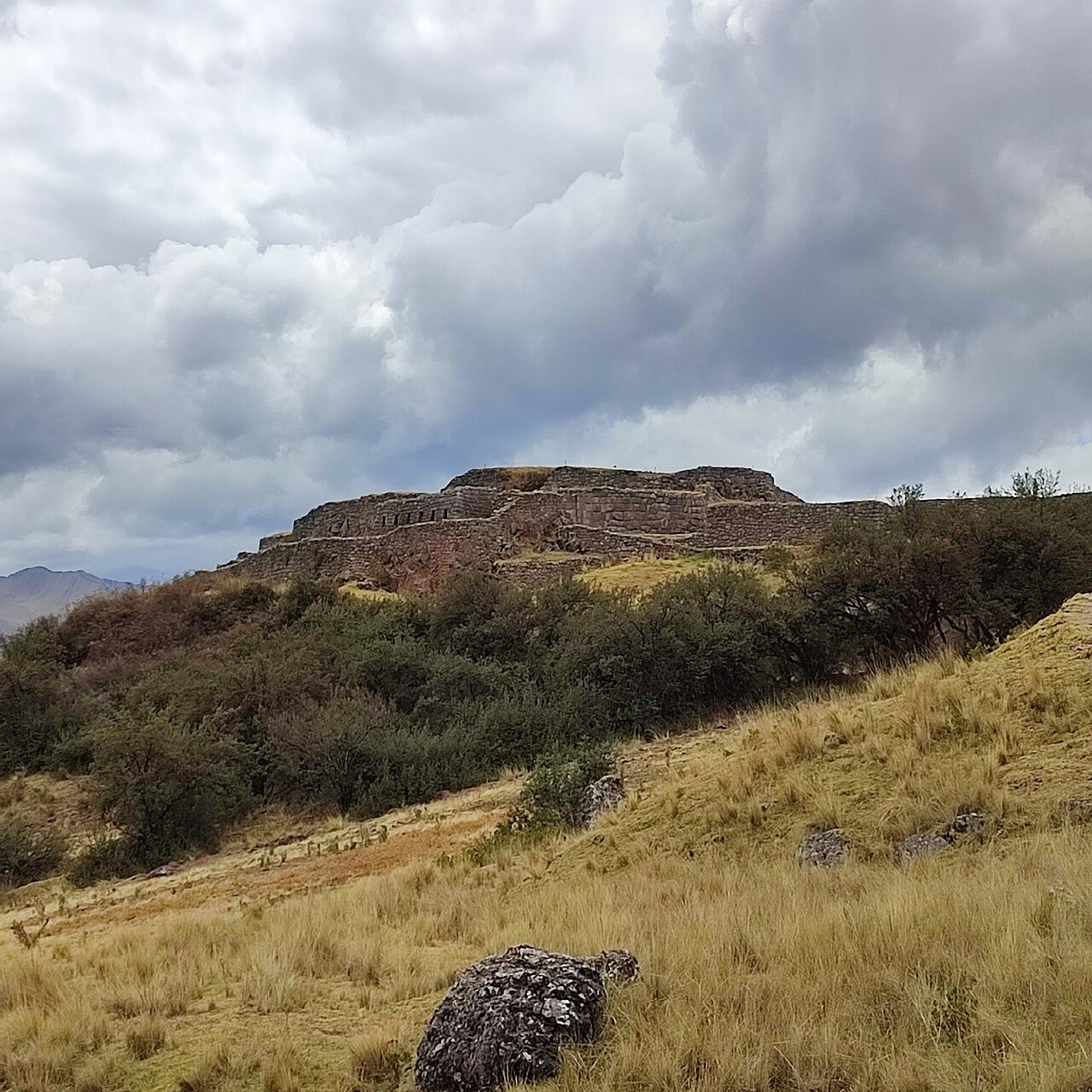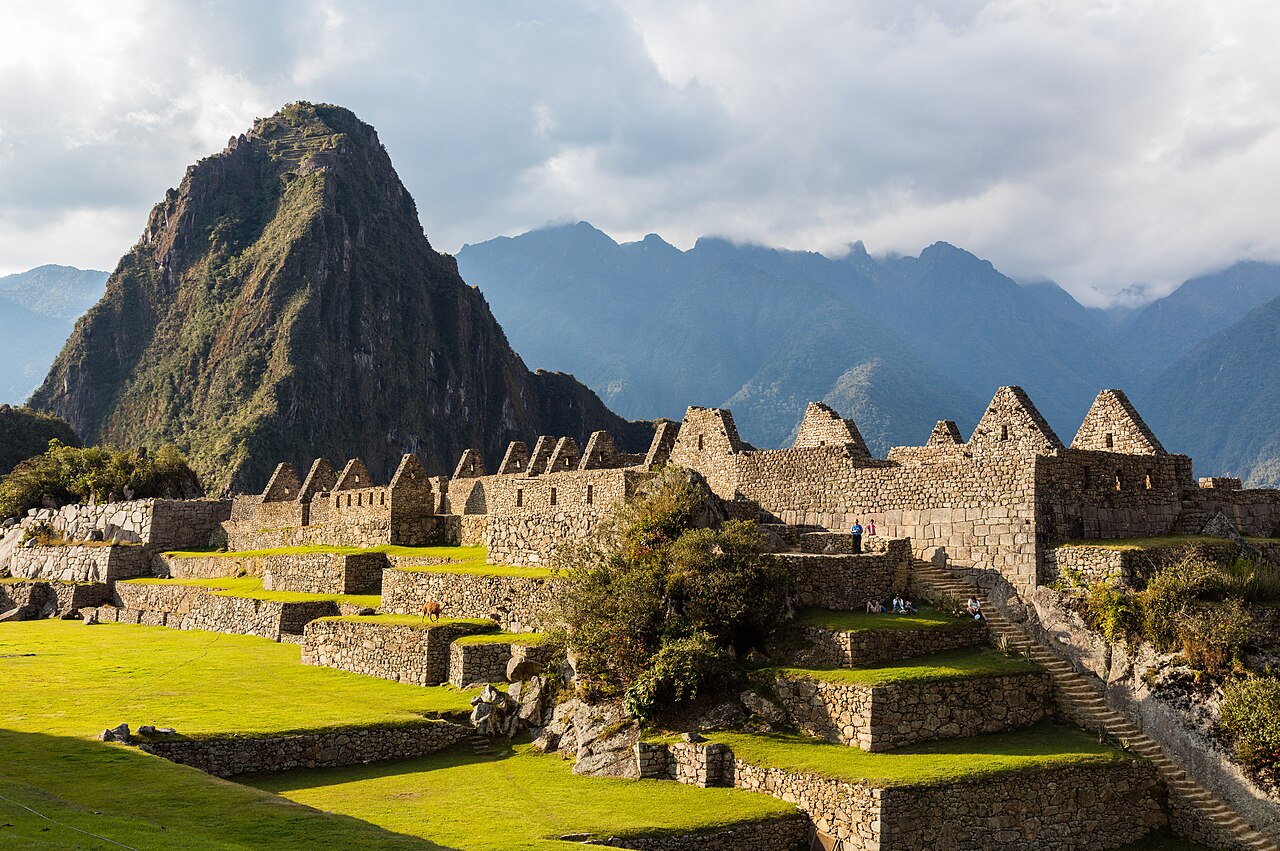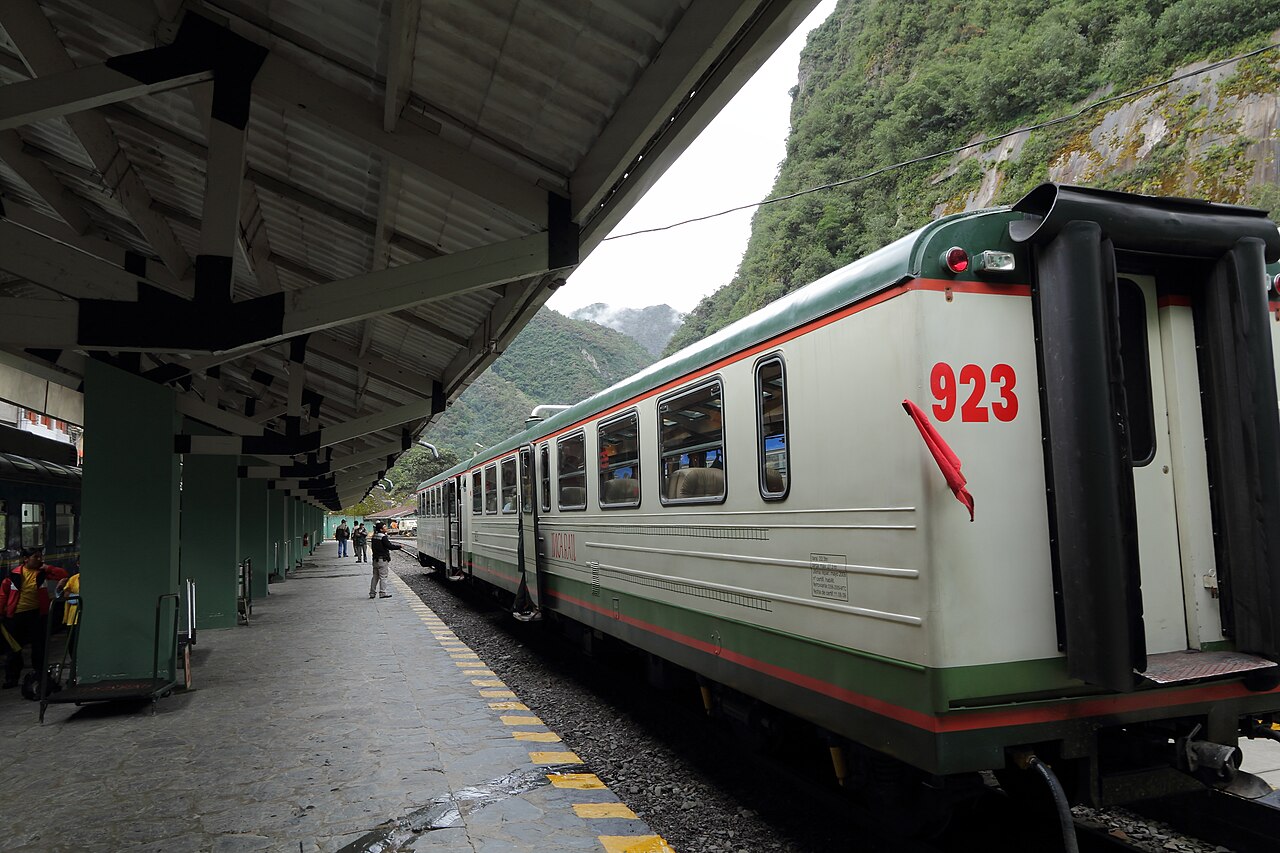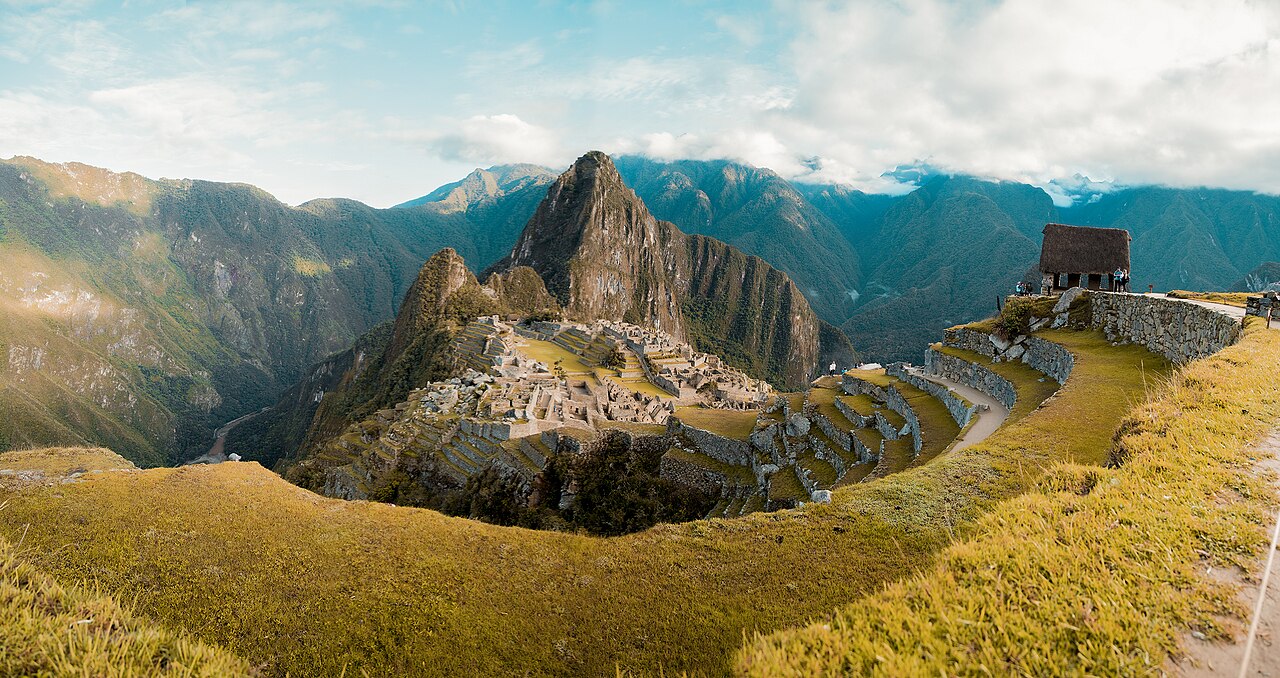
The Salkantay trek is the best-known alternative route to Machu Picchu and, for many walkers, the more spectacular one. It takes its name from Nevado Salkantay, at about 6,270 meters the highest peak of the Vilcabamba range and one of the most sacred apus of the Cusco region, and it crosses the shoulder of that mountain at a pass of roughly 4,600 meters before plunging thousands of meters down into the subtropical valleys that lead to Machu Picchu. In a few days you go from glaciers and high grassland to cloud forest, waterfalls, banana and coffee farms, which is the main reason people choose it. The usual route starts near Mollepata and Soraypampa, below Humantay Lake, which most groups visit on the first afternoon. Day two is the big one: a long, steady climb to the Salkantay Pass, with the ice face of the mountain looming directly above, followed by a long descent toward Collpapampa. The following days follow the Santa Teresa river valley through Chaullay and La Playa, often with a climb to the Inca site of Llactapata, which has a distant view across the valley to Machu Picchu. The trek ends at Hidroelectrica or Santa Teresa, from where a walk along the railway or a short train ride reaches Aguas Calientes, and Machu Picchu is visited on the last morning. Unlike the classic Inca Trail, the Salkantay route does not require the limited government trail permits, so it can be booked at shorter notice; you still need a timed Machu Picchu entry ticket, which your operator should arrange. Most travelers go with an agency that provides guides, cooks, tents or lodges and pack animals for luggage. Fit: strong hikers who want mountain drama, people who missed out on Inca Trail permits, and anyone who prefers wild scenery over Inca ruins along the way.
Choosing a version: the standard trip runs five days and four nights with camping, while four-day versions compress the descent, and premium itineraries use a chain of mountain lodges with hot showers and proper beds. All versions share the same core experience: one very high day over the pass, one or two long descending days and the arrival at Machu Picchu. Ask operators exactly which night is spent where, whether Humantay and Llactapata are included, how luggage is carried and how you reach Aguas Calientes at the end. Some itineraries finish with the train from Hidroelectrica, which is worth paying for after several days of walking.
Altitude and weather: the first two nights are spent high and cold, often below freezing at Soraypampa in the dry season, so a good sleeping bag and warm layers matter more than anything else. Spend at least three days acclimatizing in Cusco or the Sacred Valley before starting, and walk the pass day slowly. The dry season, roughly May to September, brings cold nights and clear skies; the rainy months bring mud, cloud and landslide risk on the lower trail, and local authorities have occasionally restricted access near Soraypampa after heavy rains. As with Humantay, a 2026 geological advisory flagged avalanche risk around the upper valley, so follow your guide on any route changes.
Practical notes: Machu Picchu entry is timed and capped, so book the trek early enough for your operator to secure the ticket for your final morning, especially in the June to August peak. Pack light, since mules carry duffels with a weight limit. Carry cash in soles for tips, snacks and showers along the way, and bring insect repellent for the lower valleys. Strikes and road blockades in Anta province occasionally affect access from Cusco; reputable operators will reroute or reschedule.
What to expect
The experience
A guided multi-day trek with camping or lodges, pack animals and a cook team, from the Soraypampa area over the Salkantay Pass and down to Aguas Calientes and Machu Picchu.
Best time
May to September for the most stable weather, with freezing nights high up; April and October are quieter shoulder months.
How long
Four or five days, plus at least three days of acclimatization beforehand.
Tips
Bring a warm sleeping bag, walk the pass day slowly, and make sure your Machu Picchu entry ticket is confirmed for the final morning.
Quick picks
- Best for
- Strong hikers who want glaciers and cloud forest on the way to Machu Picchu.
- Families
- Only for fit, acclimatized teenagers with trekking experience.
- Couples
- A big shared adventure, especially on a lodge-based itinerary.
- Pair with
- Humantay Lake on day one and a night in Aguas Calientes before Machu Picchu.
- Time needed
- Four or five days on the trail plus acclimatization days in Cusco.
Good questions
Do I need a permit for the Salkantay trek?+
No trail permit like the classic Inca Trail is required, so it can be booked at shorter notice. You do need a timed Machu Picchu entry ticket for the end of the trek.
How high is the Salkantay Pass?+
Roughly 4,600 meters, below the ice face of Nevado Salkantay, which rises to about 6,270 meters. It is the highest point of the trek and the hardest day.
Is Salkantay harder than the Inca Trail?+
It is generally considered harder because the pass is higher and the days are longer, though the trail is less stepped. Good acclimatization is essential.
Where does the trek end?+
Most itineraries finish at Hidroelectrica or Santa Teresa, then continue by train or on foot along the tracks to Aguas Calientes, visiting Machu Picchu on the final morning.
Are there lodge versions?+
Yes. Several operators run lodge-to-lodge itineraries with beds and hot showers, at a higher price than camping treks.