Machu Picchu
The Inca citadel on its saddle above the Urubamba gorge, visited on fixed circuits with timed tickets and a daily cap. Book the circuit you actually want, sleep in Aguas Calientes the night before, and go with a licensed guide.
Cusco (Peru)
Cusco was the capital of the Inca empire, the navel of a world that ran from Ecuador to Chile, and it still feels like the center of something: a high Andean city of Inca walls so precisely fitted that no blade slips between the stones, with Spanish churches, cloisters and balconied mansions built straight on top of them, and the green mountains rising above every street.
It is also the gateway to Machu Picchu, the most famous ruin in the Americas, and to the Sacred Valley of the Incas, a fertile river valley of terraces, markets and adobe villages that runs down toward the cloud forest. This guide books the region properly as it works now: Machu Picchu on the circuit system and the official timed tickets with their daily caps, Huayna Picchu and Machu Picchu Mountain for the climbers, the four-day Inca Trail on its scarce permits, and the scenic trains from Cusco and Ollantaytambo to Aguas Calientes. In Cusco itself it takes you to the colossal walls of Sacsayhuaman, the Inca Temple of the Sun inside the convent of Santo Domingo, the Cathedral on the Plaza de Armas, the artisans of San Blas and the food stalls of the San Pedro Market, with the tourist ticket that unlocks the archaeological parks. Then it goes out to Pisac, Ollantaytambo, the circular terraces of Moray and the salt pans of Maras, and up to the striped slopes of Rainbow Mountain at 5,200 meters. Finally it matches you to the right bed, from converted convents in the old city and artisan guesthouses in San Blas to hacienda lodges in the valley and cloud-forest hotels at the foot of Machu Picchu, because at this altitude, where you sleep shapes how you feel.
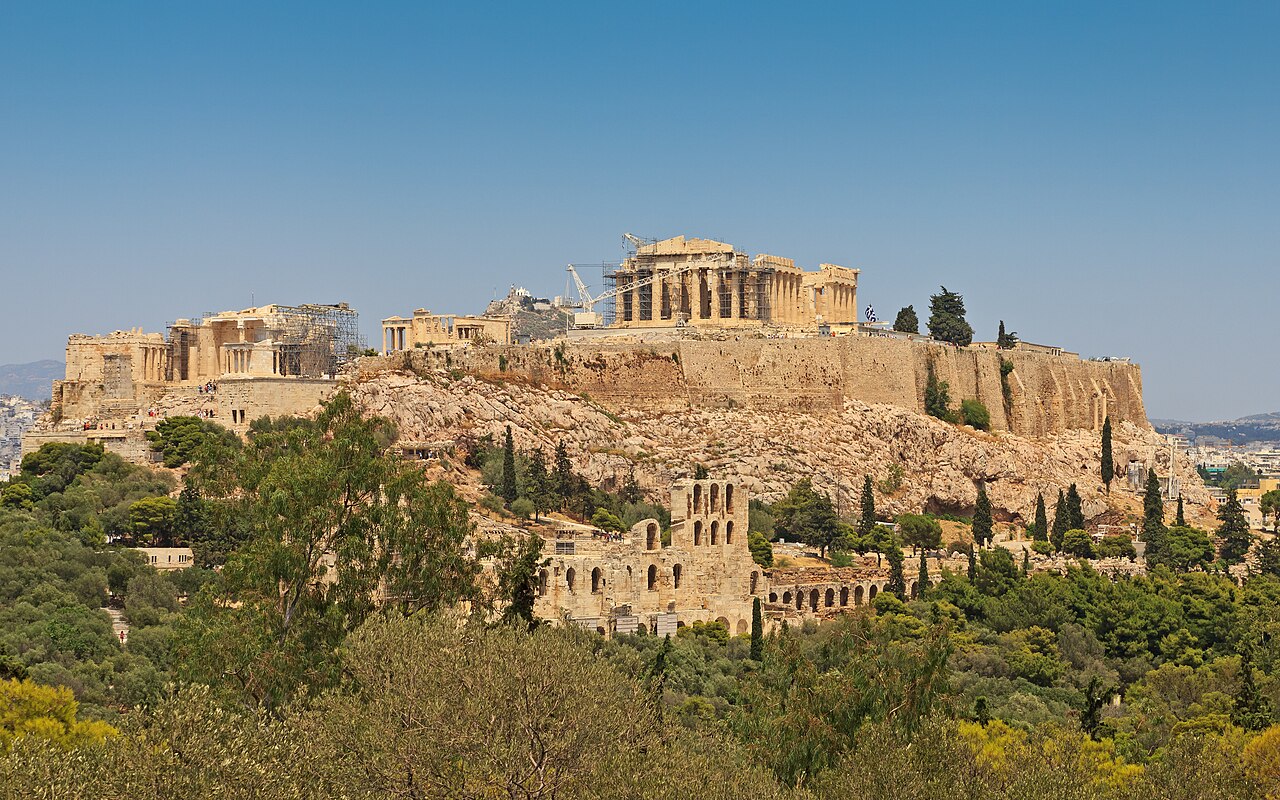
Machu Picchu
The Inca citadel on its saddle above the Urubamba gorge, visited on fixed circuits with timed tickets and a daily cap. Book the circuit you actually want, sleep in Aguas Calientes the night before, and go with a licensed guide.
The Classic Inca Trail
Four days on a stone road built by the Incas, over a pass above 4,200 meters, past cloud-forest ruins to the Sun Gate above Machu Picchu. Permits are capped and sold only through licensed operators, and the trail closes every February.
Sacsayhuaman Archaeological Park
Three tiers of zigzag Inca walls built from boulders weighing many tons, on the hill above Cusco, with Q'enqo, Puka Pukara and Tambomachay nearby. Entry is on the Boleto Turistico; Inti Raymi fills the esplanade every 24 June.
Sacred Valley Day Trip: Pisac, Chinchero & Ollantaytambo
The green Urubamba valley below Cusco in one day: the mountaintop terraces and craft market of Pisac, the Inca fortress-temple of Ollantaytambo and the weaving village of Chinchero. Lower, warmer and the gentlest way to acclimatize.
The Inca citadel on its saddle above the Urubamba gorge, visited on fixed circuits with timed tickets and a daily cap. Book the circuit you actually want, sleep in Aguas Calientes the night before, and go with a licensed guide.
The two peaks that frame the citadel, each climbed on its own ticketed route: Huayna Picchu, the steep sugarloaf of the postcard with Inca terraces at the summit, and the longer, gentler Machu Picchu Mountain with the bigger view.
Four days on a stone road built by the Incas, over a pass above 4,200 meters, past cloud-forest ruins to the Sun Gate above Machu Picchu. Permits are capped and sold only through licensed operators, and the trail closes every February.
The only practical way to Aguas Calientes: a scenic ride down the Urubamba gorge from Ollantaytambo or Cusco, from panoramic-window coaches to the Belmond Hiram Bingham. In the rainy season, Cusco departures start with a bus.
Three tiers of zigzag Inca walls built from boulders weighing many tons, on the hill above Cusco, with Q'enqo, Puka Pukara and Tambomachay nearby. Entry is on the Boleto Turistico; Inti Raymi fills the esplanade every 24 June.
The Inca Temple of the Sun, once sheathed in gold, with a Dominican convent built on top of it: the single best place to see Inca and Spanish Cusco fused into one building. A separate fee, not on the tourist ticket.
The great Renaissance cathedral on the Plaza de Armas, built with stones from Sacsayhuaman and filled with Cusco School paintings, including a Last Supper with guinea pig on the table. The ticket also covers El Triunfo and the Sagrada Familia.
Cusco's hillside artisan quarter: whitewashed houses with blue doors on Inca foundations, workshops, galleries, cafes and a small plaza with one of the city's finest carved pulpits. Free to wander, steep to climb.
Cusco's central food market under an iron roof: fresh juices blended to order, giant Andean breads, potatoes and corn in dozens of varieties, cheap set lunches at the food counters and every kind of local produce. Free to enter, cash only.
A long day trip to a striped mountain at 5,200 meters, where mineral layers paint the slopes red, ochre, green and lavender. Brutal altitude, early starts and changeable weather; acclimatize first and go with a reputable operator.
The green Urubamba valley below Cusco in one day: the mountaintop terraces and craft market of Pisac, the Inca fortress-temple of Ollantaytambo and the weaving village of Chinchero. Lower, warmer and the gentlest way to acclimatize.
A living Inca town at the end of the Sacred Valley, with original street grid and water channels, a terraced fortress-temple with giant pink monoliths, and the main station for trains to Machu Picchu. Spend the night.
Hotels we would book ourselves, from splurges to good-value bases.
Plaza Nazarenas, Centro Historico
An all-suite palace hotel in a former colonial convent on a quiet plaza two blocks from the Plaza de Armas, with Inca walls, frescoed cloisters, oxygen-enriched suites and a heated outdoor pool, a rarity in high Cusco.
Check rates →Centro Historico (near Qorikancha)
A large, polished hotel built into a sixteenth-century Augustinian convent, with excavated Inca and colonial remains on display, oxygen-enriched rooms, a spa and a central location between the Plaza de Armas and Qorikancha.
Check rates →San Blas
A small, friendly boutique hotel in a restored colonial house in the artisan quarter, with Inca stonework, a sunny terrace over the rooftops and good-value rooms a few minutes' walk from the Plaza de Armas.
Check rates →Urubamba, Sacred Valley
An all-inclusive lodge among corn fields in the heart of the Sacred Valley, where guided hikes, bike rides and visits to Moray, Maras and the valley ruins are part of the stay, with a spa and Andean cooking to come home to.
Check rates →Pisac town center, Sacred Valley
A long-running, family-style guesthouse in the heart of Pisac, steps from the famous market and below the Inca terraces, with its own Cuchara de Palo restaurant and private excursions. Simple, friendly and budget-friendly.
Check rates →Aguas Calientes (Machu Picchu Pueblo)
A five-star hotel on the banks of the Urubamba in Aguas Calientes, with river-view rooms, a spa, Peruvian cooking and Andean rituals, and an easy walk to the train station and the Machu Picchu buses.
Check rates →Aguas Calientes (Machu Picchu Pueblo)
A pioneering eco-hotel of stone casitas in its own private cloud forest at the edge of Aguas Calientes, with orchid trails, birdwatching, a tea plantation, a spa and naturalist guides. The most memorable stay at the foot of Machu Picchu.
Check rates →Ollantaytambo train station, Sacred Valley
A historic inn opened in 1925 right on the Ollantaytambo station platform, with hummingbird gardens, a farm-to-table restaurant, its own distillery and coffee roastery. Step out of bed and onto the Machu Picchu train.
Check rates →San Blas, Cusco
A good-value 25-room hotel on Carmen Alto in the artists quarter of San Blas, with an early buffet breakfast for Machu Picchu departures, a garden patio and a 24-hour hot-drink station.
Check rates →Historic Center, Cusco
A dependable four-star in a colonial mansion on Calle San Agustin, 150 meters from the Plaza de Armas, with heritage rooms around the old courtyard and modern rooms behind.
Check rates →San Blas, Cusco
A budget-friendly hotel from Peru's largest hotel chain in the San Blas quarter, with a colonial-style courtyard, heated rooms, a solid breakfast and consistent service.
Check rates →Yanahuara, between Urubamba and Ollantaytambo
A spacious valley resort between Urubamba and Ollantaytambo, with gardens, mountain views, rooms and villas, a spa and an on-site planetarium for Andean star stories.
Check rates →Yucay, near Urubamba, Sacred Valley
A remodeled 18th-century monastery on the plaza of Yucay, near Urubamba, with gardens, a chapel, Andean music in the bar and four places to eat. Colonial character at a mid-range price.
Check rates →Machu Picchu Pueblo (Aguas Calientes)
Inkaterra's contemporary four-star in the center of Aguas Calientes: an airy eucalyptus-lined lobby, modern rooms, a lively bar and an easy walk to the Machu Picchu buses.
Check rates →Machu Picchu Pueblo (Aguas Calientes)
A good-value 43-room hotel facing the Urubamba River in Aguas Calientes, one block from the Machu Picchu buses, with buffet breakfast, a river-view restaurant and a bar.
Check rates →What a first-timer needs to know before landing in Cusco: how to handle the altitude, what to book ahead, the tourist ticket, money and tipping, safety, getting around, protests and disruptions, and the November 2026 papal visit.
How to split your nights between Cusco's historic center and San Blas, the Sacred Valley towns of Pisac, Urubamba and Ollantaytambo, and Aguas Calientes at the foot of Machu Picchu, with hotel picks at every budget.
A five-day plan that respects the altitude: start low in the Sacred Valley, take the train from Ollantaytambo, sleep in Aguas Calientes for an early Machu Picchu entry, then finish with Cusco's Inca and colonial sights.
A guide to eating well in Cusco and the Sacred Valley: Andean potatoes, corn and quinoa, cuy and lechon, Sunday adobo, the San Pedro Market, picanterias and chicha, fine dining with Andean ingredients, and eating safely at altitude.
How the seasons work in Cusco and Machu Picchu: the dry season from May to September, the rainy season from November to March, the February Inca Trail closure, high-season caps at Machu Picchu, festivals, and what to pack.
A step-by-step guide to booking Machu Picchu in its current form: the three circuits and ten routes, daily caps, official sellers, Huayna Picchu and Machu Picchu Mountain, guides, trains, the bus up, Inca Trail permits and what to do if things go wrong.