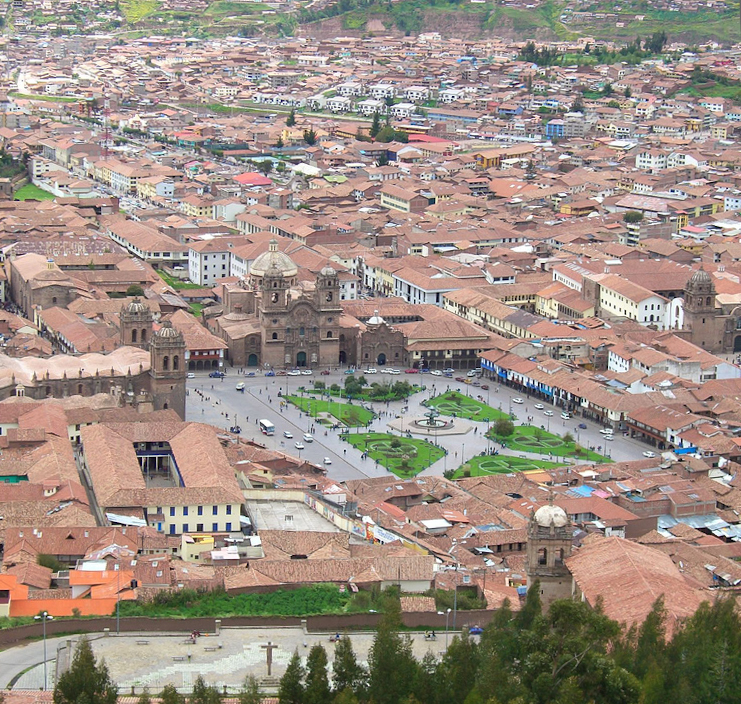
The Monastery of Santa Catalina de Siena is one of the most intriguing small visits in central Cusco, a still-active convent of cloistered Dominican nuns whose museum opens a window onto both Inca and colonial history. It stands on Santa Catalina Angosta, a narrow street lined with Inca walls just off the Plaza de Armas, on ground that is traditionally identified with the Acllawasi, the house of the chosen women, where young women selected from across the empire wove fine cloth and prepared offerings for the Sun. The convent itself traces its origins to a foundation in Arequipa in the early 1600s that moved to Cusco after a series of natural disasters, and it has occupied this site ever since. The nuns still live in the enclosed part of the convent, so the museum covers only some areas, but they are rewarding: rooms of religious paintings in the Cusco School style, many with gold-leaf detail, works recovered during restoration of the monastery, embroidered vestments, and objects that tell the story of convent life over four centuries, from the dowries brought by novices to the rhythms of prayer and work. The church, with its Baroque altars and the latticed choir screens behind which the nuns attended mass unseen, adds to the sense of a world apart. The Tiqets entry ticket, from a local operator, covers museum admission. Fit: travelers interested in colonial history and women's history, art lovers who have already seen the Cathedral and want something quieter, and anyone curious about the walls of the Acllawasi.
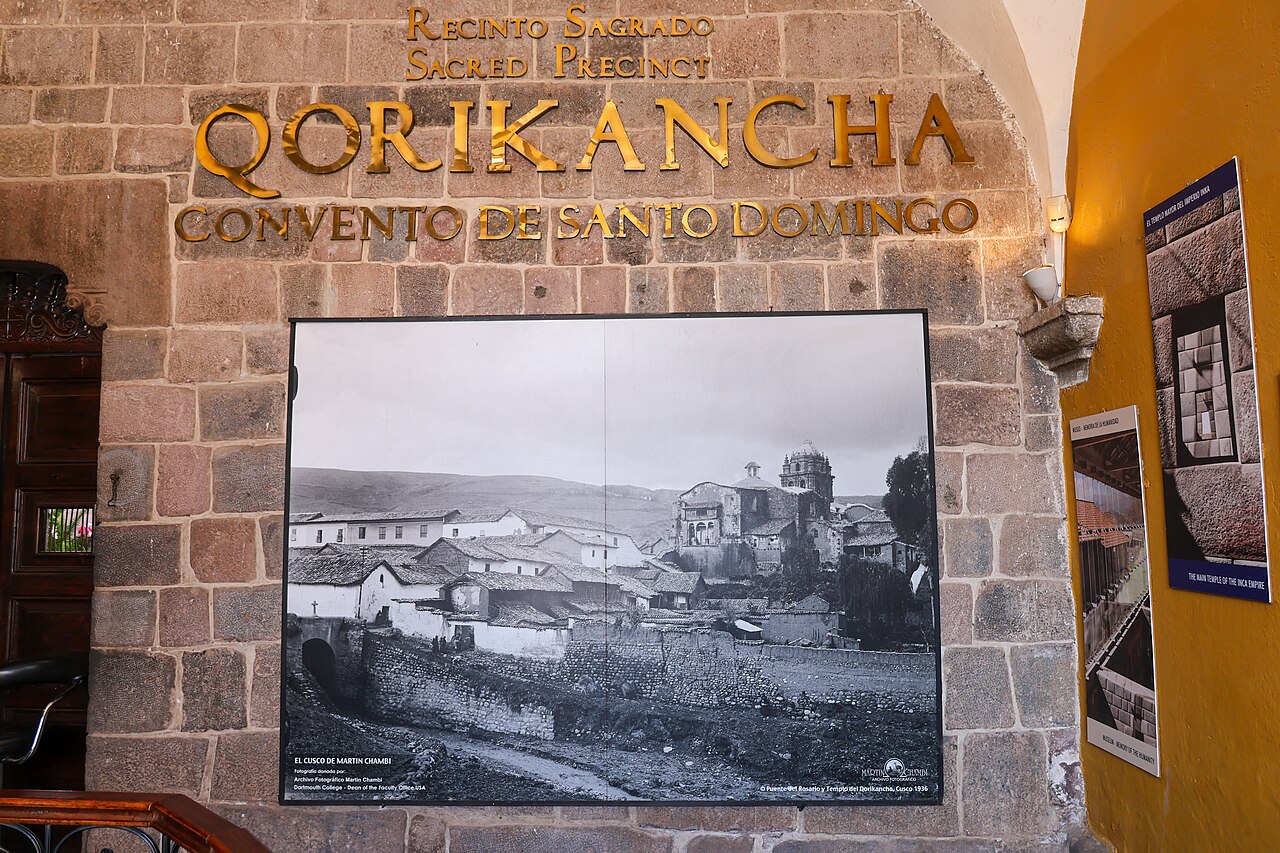
Before you go in: walk the length of Santa Catalina Angosta and the neighboring Loreto street, two of the best places in Cusco to see long runs of Inca walling. The fine coursed stones of the Acllawasi enclosure line the street, and the contrast with the plain colonial upper walls is striking. Loreto leads down from the Plaza de Armas past La Compania toward Qorikancha, so the monastery fits neatly into a walk between the two.
Inside: the museum is compact and usually quiet, which is part of its appeal after the busier Cathedral. Take time with the paintings, which include large canvases and smaller devotional pieces, and look for the details that mark the Cusco School: Andean faces, local plants and birds, and brocade patterns in gold over the painted clothing. The rooms on convent life explain how women entered the monastery, what they brought with them and how the community supported itself; the latticed choir is a reminder that the nuns are still there. Photography may be restricted.
Practical notes: the museum is generally open daily from morning to late afternoon, though hours can change for religious observances, and it is separate from the Boleto Turistico. Dress respectfully and keep voices low. An hour is enough for most visitors. Combine it with Qorikancha, the Cathedral and the Museum of Religious Art for a full colonial morning in the historic center.
What to expect
The experience
A small museum inside a still-active convent of cloistered nuns, with religious paintings, vestments and displays on convent life, on a street of Inca walls just off the Plaza de Armas.
Best time
Mid-morning or mid-afternoon on a weekday, when it is at its quietest.
How long
About an hour.
Tips
Walk Santa Catalina Angosta and Loreto first to see the Inca walls of the Acllawasi, and check whether photography is allowed inside.
Quick picks
- Best for
- Colonial history fans who want a quieter, more intimate museum.
- Families
- Short and central, though more rewarding for older children interested in history.
- Couples
- A calm hour away from the busier plaza sights.
- Pair with
- Qorikancha down the street and the Cathedral on the plaza.
- Time needed
- An hour.
Good questions
Is the convent still active?+
Yes. Cloistered nuns still live in the enclosed part of the monastery; the museum occupies separate areas open to visitors.
What was here in Inca times?+
The site is traditionally identified with the Acllawasi, the house of the chosen women who wove fine cloth and served the cult of the Sun. Its Inca walls still line Santa Catalina Angosta.
What can I see in the museum?+
Cusco School paintings, some with gold-leaf detail, artworks recovered during restoration, vestments and displays about four centuries of convent life.
Is it included in the Boleto Turistico?+
No. It has its own entry ticket, available on site or online.
Where did the convent come from?+
It was founded in Arequipa in the early 1600s and moved to Cusco after a series of natural disasters there.