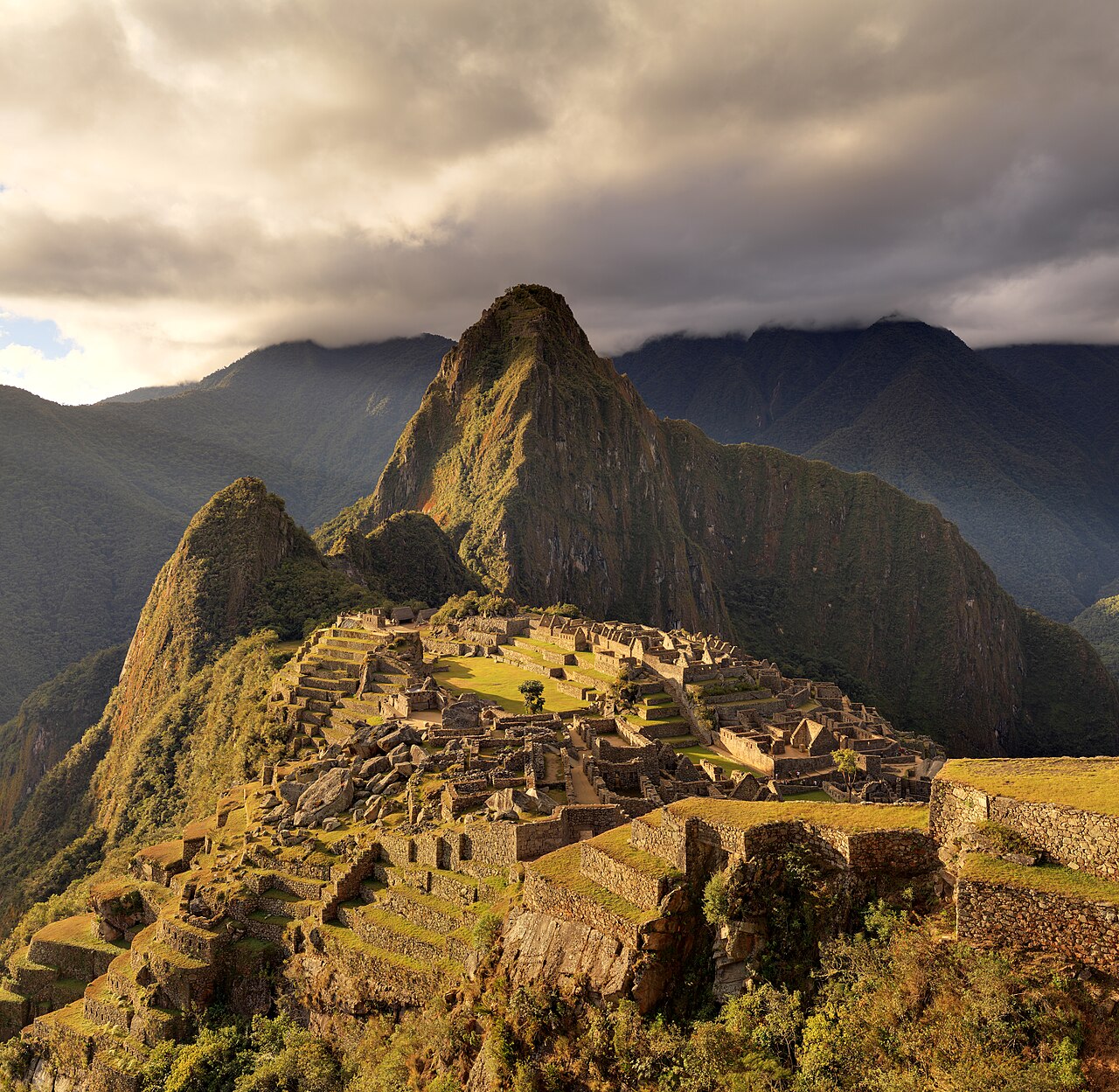
Tipon is the place to see what the Inca could do with water, and it is one of the most underrated sites near Cusco. It lies in the valley south of the city, about an hour away by road, at around 3,400 meters, and its central sector is a set of twelve broad agricultural terraces bounded by huge, carefully finished stone walls, with a network of channels, fountains and small waterfalls that carries spring water down through the site. The water still flows today, splitting and rejoining in stone channels with a precision that has impressed modern engineers, and local people continue to use the system. Local tradition credits the Inca Wiracocha with ordering the gardens built, and archaeologists see the complex as a royal estate and a center of water worship, with ceremonial fountains at its heart. Beyond the main terraces, the site extends up the hillside to further terraces, residential buildings described as royal chambers, an Inca aqueduct and a viewpoint at Cruzmoqo, and visitors who climb higher find rock carvings and wide views over the valley. Because most tours skip the south valley, Tipon is often nearly empty, which makes it a peaceful contrast to Sacsayhuaman or Pisac. The town of Tipon, below the ruins, is famous in Cusco for its restaurants serving roast guinea pig, or cuy al horno, which many Cusquenos drive out to eat on weekends. Tipon is covered by the Boleto Turistico, full ticket or the south valley partial circuit. Fit: history lovers, engineers and anyone fascinated by how things work, photographers, and travelers who want a quiet Inca site.
How to visit: drive or take a taxi up the steep road to the site entrance rather than walking up from the highway, which is a long climb. Start with the main terraces and the fountain sector, following the water from its source through the channels, then decide how far up the hillside to go; the climb to the upper sectors and the viewpoint takes time at this altitude but is quiet and rewarding. Allow one and a half to two hours for the main site, more if you explore the upper areas. There is little shade, so bring sun protection and water.
Combining it: Tipon fits into a south valley day with Pikillaqta, a large pre-Inca Wari site a little further along the road, and the painted church of Andahuaylillas on the Andean Baroque route. Lunch in Tipon town on cuy is a local rite; if guinea pig does not appeal, the restaurants usually serve other Andean dishes too. A private driver or a south valley tour makes the logistics easy, while local buses toward Urcos can drop you at the turnoff on the highway.
Practical notes: the site is generally open from early morning until late afternoon, and the Boleto Turistico is checked at the entrance. The national tourist ticket introduced by law in 2026 was still being regulated in late 2026, so confirm what your ticket covers. In the rainy season, roughly November to March, the water features are at their fullest but paths can be muddy and afternoons wet, so visit in the morning.
What to expect
The experience
A large Inca estate with terraces, stone channels and working fountains, visited on the Boleto Turistico, with optional climbs to upper sectors and a viewpoint.
Best time
Morning, for soft light on the terraces and quiet paths; the water runs strongest in the rainy season.
How long
One and a half to two hours on site, half a day with travel from Cusco.
Tips
Take a taxi up to the entrance, follow the water from its source, and combine with Pikillaqta, Andahuaylillas and a cuy lunch in Tipon town.
Quick picks
- Best for
- Seeing Inca engineering at its most elegant, without crowds.
- Families
- Running water, channels and wide terraces make it engaging for children.
- Couples
- A quiet, beautiful site and a traditional lunch in town.
- Pair with
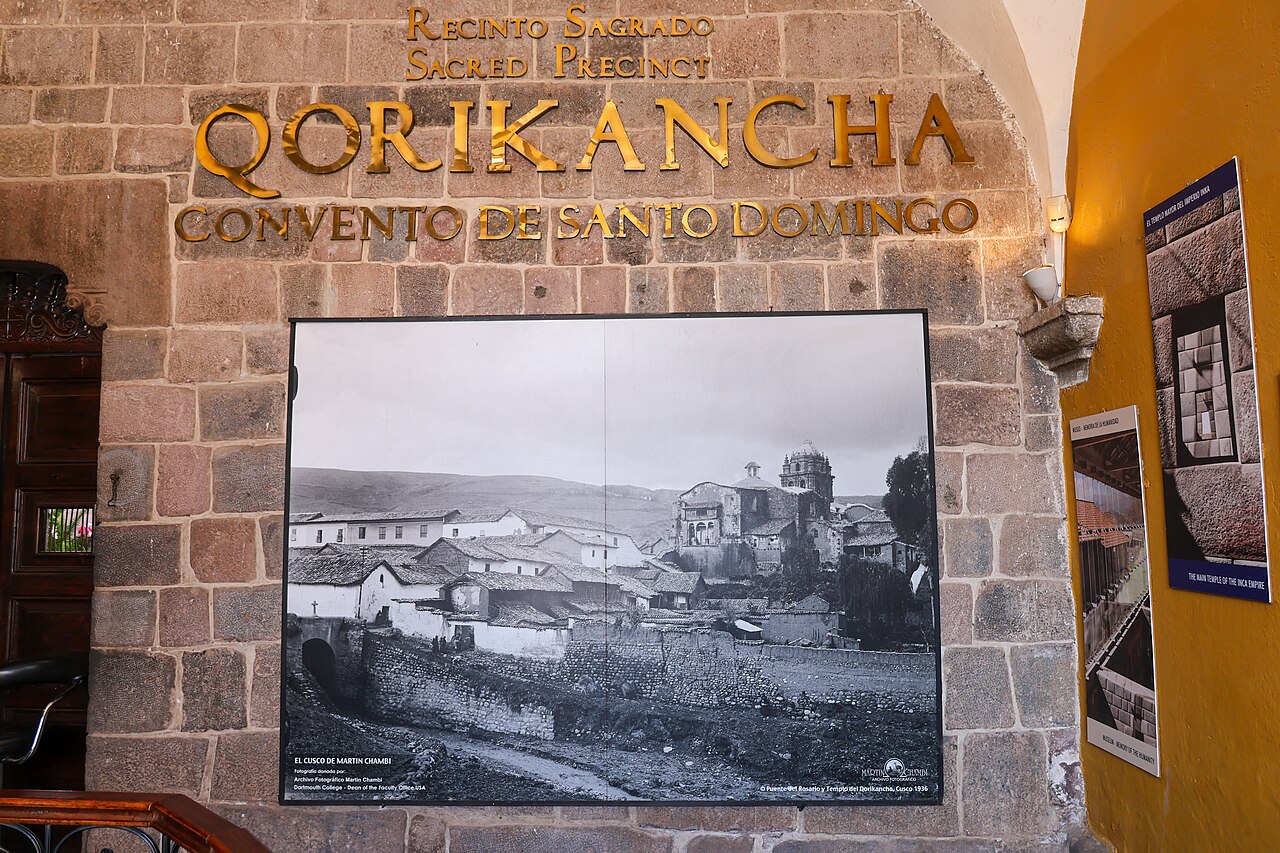
- Andahuaylillas on the Andean Baroque route, and Qorikancha back in Cusco.
- Time needed
- Half a day, or a full south valley day with nearby sites.
Good questions
Is Tipon on the Boleto Turistico?+
Yes. It is included in the full tourist ticket and the south valley partial circuit. Ticket rules may change as the 2026 national tourist ticket law is implemented.
How far is Tipon from Cusco?+
About an hour by road to the south, plus a steep access road up to the site entrance.
Why is Tipon famous?+
For its terraces and its water system of channels, fountains and waterfalls, which still flows after five centuries and is considered a masterpiece of Inca hydraulic engineering.
What is Tipon town known for?+
Its restaurants serving cuy al horno, roast guinea pig, a favorite weekend outing for people from Cusco.
How long should I spend there?+
One and a half to two hours for the main terraces and fountains, longer if you climb to the upper sectors and viewpoint.