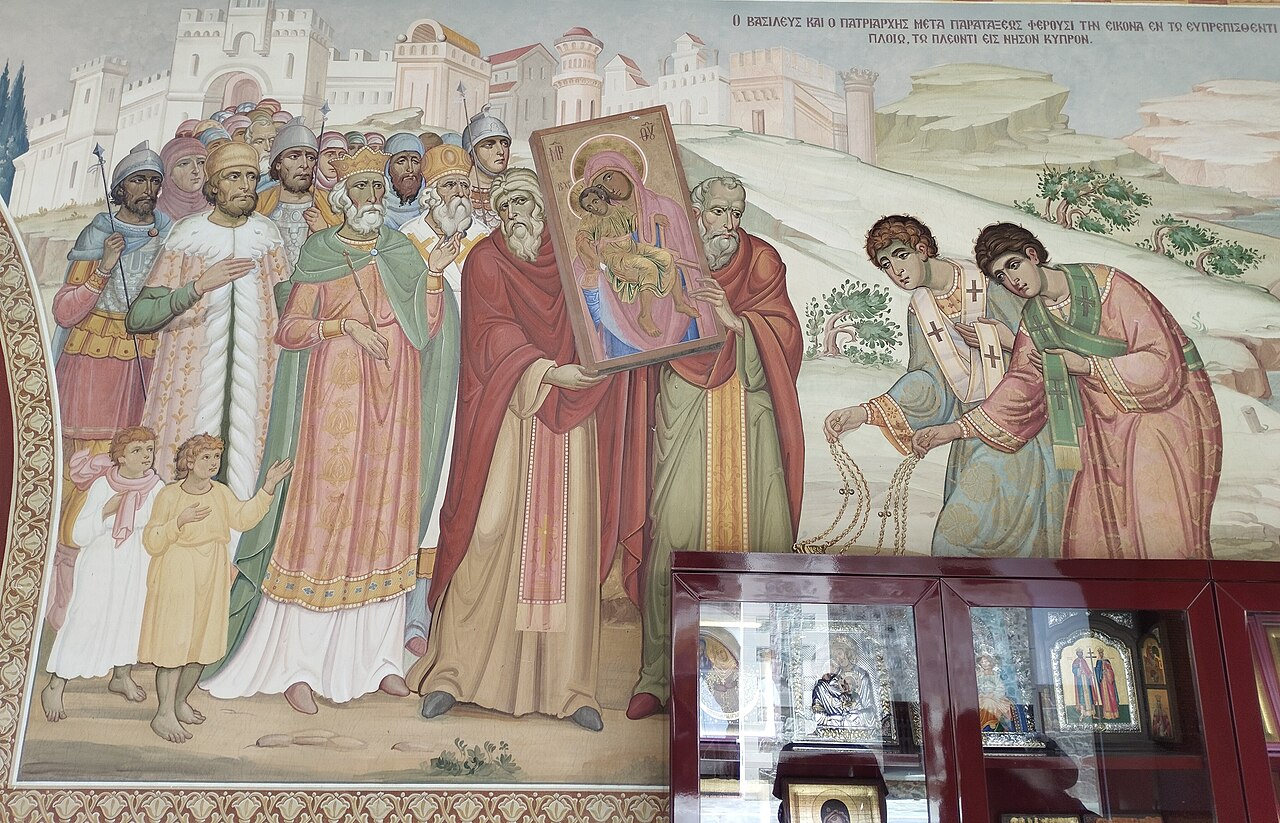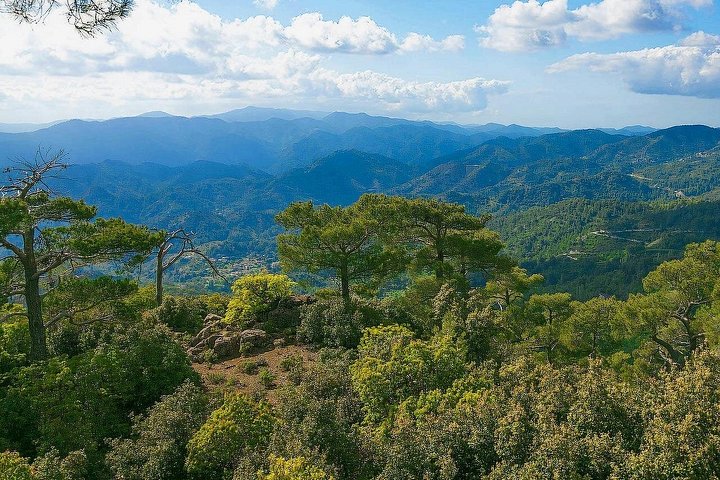
Agios Neophytos Monastery stands in a quiet valley a short drive north of Paphos, and it is one of the most rewarding half-day trips in the area. The monastery was founded in the twelfth century by Neophytos, a hermit who carved a cave into the rock face and lived there in prayer. The cave, known as the Enkleistra, is decorated with remarkable Byzantine frescoes, among the finest on the island, and a newer monastery building stands beside it with a museum of icons and manuscripts. The atmosphere is peaceful and the setting, among pines and terraces, is beautiful. This afternoon excursion combines the monastery with a stop at a local winery, which suits the structure of the day neatly: a calm, reflective visit to the cave and frescoes followed by a relaxed tasting of Cypriot wines. Cyprus has one of the oldest winemaking traditions in the world, and the grapes grown in the foothills around Paphos, including the local Xynisteri white and the red Maratheftiko, give wines you rarely find outside the island. It is an easy, enjoyable way to spend an afternoon, and a good choice for visitors who want culture and flavour without a long day on the road.
How it works
You reserve a place for your date and are collected from a meeting point in the Paphos area. Departure is in the afternoon, which suits the opening hours, and the trip lasts around four hours. A guide accompanies the group and explains the history of the hermit, the layout of the monastery and the frescoes. At the winery, you taste several wines, usually with local bread, cheese or olives. Check what is included for your date, since the number of wines and snacks varies.
What to expect
You enter the Enkleistra through a low doorway and find a series of small chambers painted with scenes of the Last Judgement, the Crucifixion and saints, many of them dating to the twelfth century. Inside, the rock is cool and dim, and photography rules may apply, so follow the signs.
A short walk away, the main monastery church and museum hold icons and wood carving. Dress respectfully, with shoulders and knees covered, and wear flat shoes, because the approach has steps. At the winery you can walk among the vines if the season allows, and ask about grape varieties.
Making the most of it
The monastery is quietest in the early afternoon on weekdays, and the light in the valley is lovely later in the day. The trip works in any season, and it is a good option on cooler days when sea trips are less appealing.
Bring a light scarf or shawl if you do not have covered clothing, and a small amount of cash for the donation box and for the monastery shop. If you plan to drink wine, eat something beforehand and ensure someone is driving or you are on the group transport.
For a fuller picture of Cypriot faith and history, combine it with Kykkos Monastery in the Troodos mountains. The monastery is a working religious site, so speak quietly inside and respect any areas closed to visitors. Opening times can vary with the season and religious holidays, and the cave may have a limit on the number of people allowed in at once, so your guide may ask the group to enter in small batches. This is normal and adds only a few minutes.
What to expect
The experience
A guided afternoon visit to a hillside monastery and a rock-cut hermitage, followed by a wine tasting.
Best time
Weekday afternoons in any season, with soft light in the valley.
How long
About four hours including transfers and the tasting.
Tips
Cover shoulders and knees, wear flat shoes for the steps, and eat before the tasting.
Quick picks
- Best for
- Culture lovers and wine fans who want a calm half day close to Paphos.
- Families
- Older children may enjoy the cave, but the wine tasting is for adults and the monastery needs quiet respect.
- Couples
- A gentle afternoon of art, history and wine.
- Pair with
- Kykkos Monastery, or a Troodos wine villages day for a deeper look at Cypriot wine.
- Time needed
- Half a day, leaving in the afternoon.
Good questions
Who was Neophytos?+
A twelfth-century hermit who carved a cave into the rock and founded the monastery. The Enkleistra, his cave, holds Byzantine frescoes.
Is there a dress code?+
Yes, cover shoulders and knees when you visit the monastery.
Which wines will I taste?+
Winery tastings often include local whites such as Xynisteri and reds such as Maratheftiko, but the selection varies. Check what is included.
Can I take photographs?+
Photography rules vary inside the cave and church, so follow the signs and ask staff.
Is it suitable for older visitors?+
Yes, there are some steps at the cave and monastery, so take your time and wear sturdy shoes.