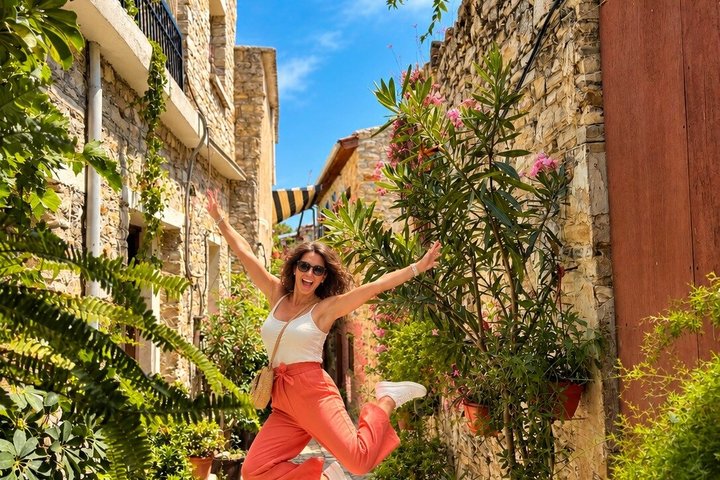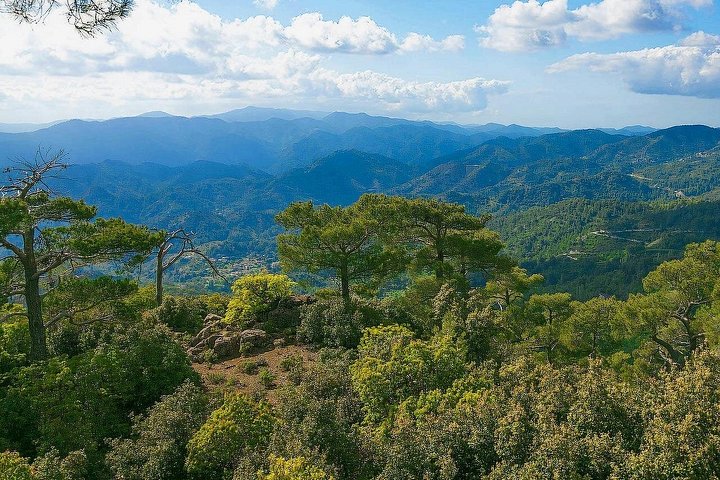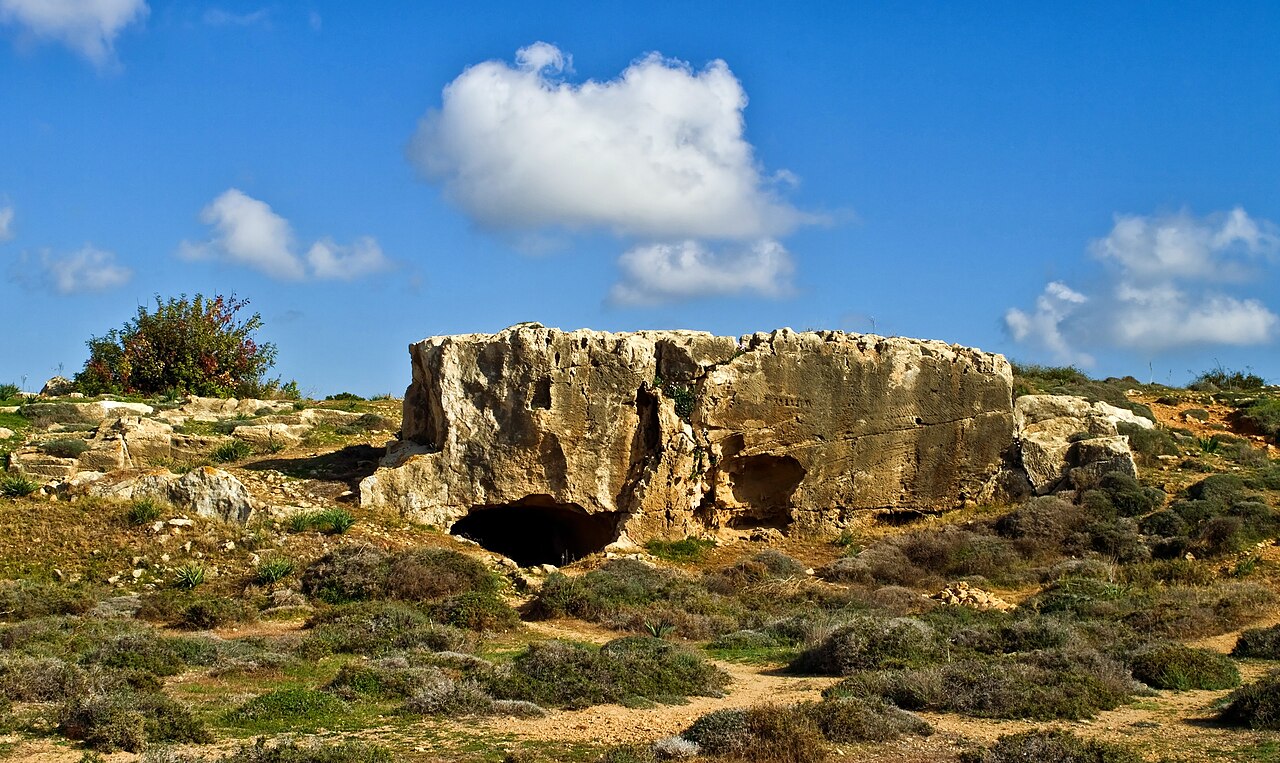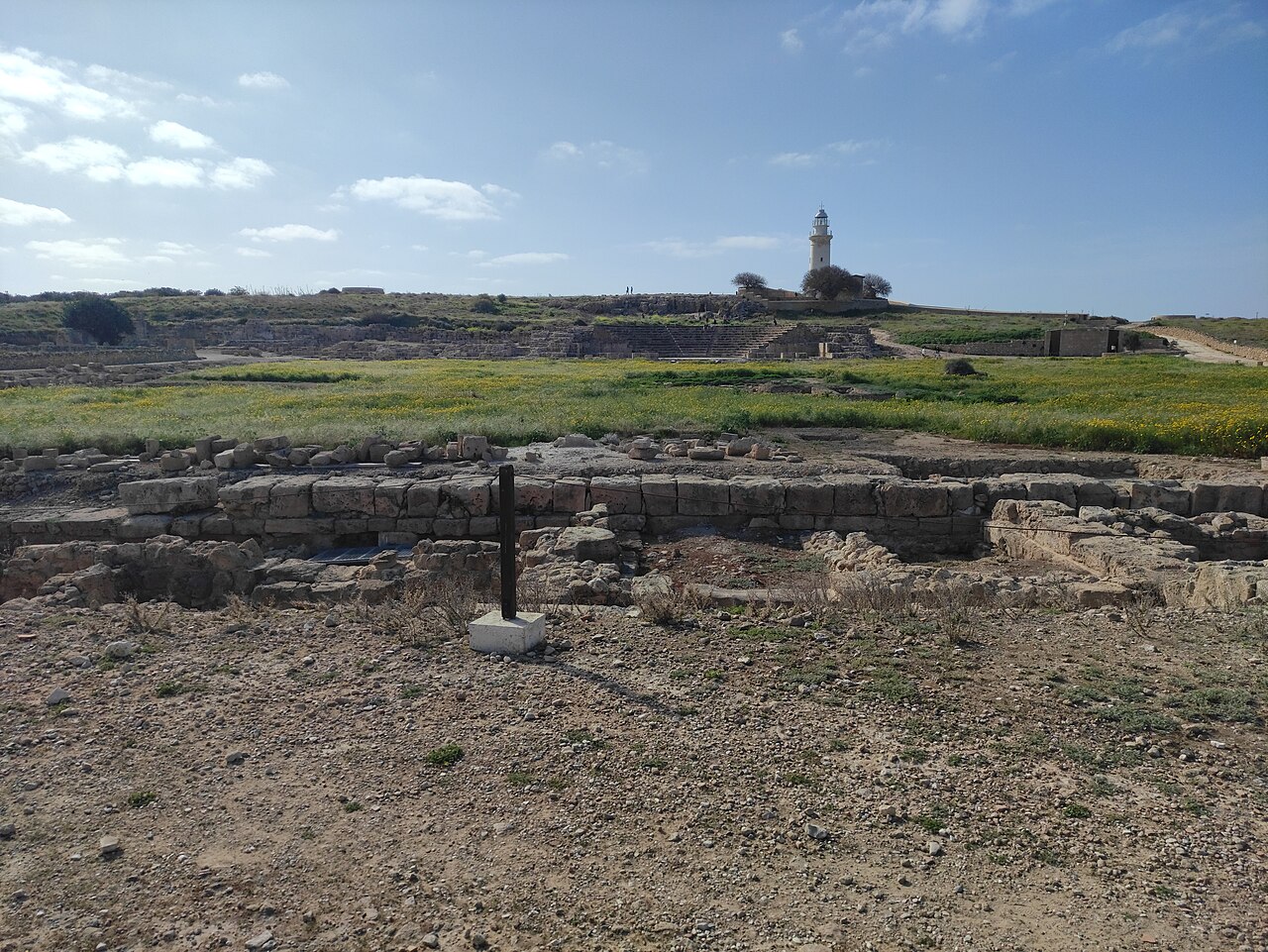
Two very different Cyprus stories meet in this day trip: one is the village craft of Lefkara, famous for its embroidered lace and handmade silver, and the other is Choirokoitia, one of the best-preserved Neolithic settlements in the eastern Mediterranean. Lefkara, in the hills inland from the south coast, is a pretty stone village of narrow cobbled lanes, balconies and small workshops where women sit in doorways stitching the geometric patterns known as lefkaritika. The craft is so distinctive that it is on UNESCO’s list of intangible cultural heritage, and legend has it that Leonardo da Vinci bought a piece of Lefkara lace for the altar of Milan Cathedral. Choirokoitia, a short drive away, takes you much further back. Its round stone houses on a hillside above the Maroni valley date to around 7000 BC, and they were home to a community of early farmers who buried their dead beneath the floors. The site is on the UNESCO World Heritage list, and the reconstructed round houses on the slope give an immediate sense of how people lived. Together the two stops make an unusually rich day: one hour of village life and handicrafts, another of deep prehistory, with scenery in between.
How it works
You reserve a place for your date and are collected from a meeting point or hotel in the Limassol area, with details confirmed when you book. The group travels by minibus or coach with a guide who gives commentary on the route. The day usually covers Choirokoitia first, followed by Lefkara, with time for lunch and shopping, then returns in the afternoon. Entrance fees to the archaeological site may or may not be included, so check what the price covers for your date.
What to expect
At Choirokoitia you walk up a path to the hillside, where a walled settlement of circular houses is laid out in terraces. A guide explains the daily life of the community, the beehive-shaped dwellings and the burial customs. Reconstructed houses show how roofs and interiors may have looked.
In Lefkara, you wander the lanes, visit a lace and silver workshop and have time to browse. Quality varies, so look for stitched pieces rather than machine-made imports, and ask about the origin before you buy. Wear comfortable shoes, because both stops involve slopes and cobbles, and bring water and a hat.
Making the most of it
The day suits spring and autumn best, when the weather is comfortable for walking at the exposed hilltop site. In summer, go early and keep to the shade, and in winter bring a light jacket for Lefkara, which is cooler than the coast. Allow time for lunch in the village, where tavernas serve local dishes and the sweets known as loukoumia. If you want to try your hand at the craft, ask whether a short lace demonstration is available.
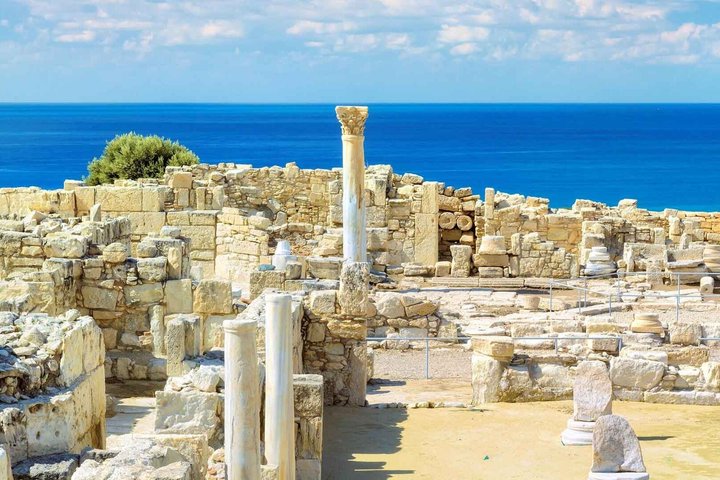
The trip pairs well with a Troodos wine village day or the Kourion site for a full cultural week on the south coast. It is also worth carrying a little cash for small purchases in the village, as some workshops prefer it, and a light scarf for the churches and for the cooler air in the hills. If you have mobility concerns, mention them when you reserve so that the guide can suggest how to approach the climb at Choirokoitia comfortably.
What to expect
The experience
A guided day trip by minibus to a Neolithic hilltop settlement and a traditional lace-making village.
Best time
Spring and autumn, when the hilltop site is comfortable, or early in the day in summer.
How long
A full day, usually around eight hours including travel and lunch.
Tips
Wear comfortable shoes for slopes and cobbles, bring water and a hat, and ask about the origin of lace before buying.
Quick picks
- Best for
- History and craft lovers who want culture without the work of driving.
- Families
- Older children who enjoy history will like the round houses, but the hilltop site involves walking.
- Couples
- A relaxed cultural day with a long lunch in the village.
- Pair with
- The Kourion site or a Troodos wine villages tour on another day.
- Time needed
- A full day from Limassol.
Good questions
What is Choirokoitia?+
A Neolithic settlement on a hillside dating to around 7000 BC, listed by UNESCO for its well-preserved round houses and burial customs.
What is special about Lefkara?+
The village is known for its hand-stitched lace, called lefkaritika, and for its silver work, both of which are still made in local workshops.
Is the tour suitable for older visitors?+
Yes, though the hilltop site involves a climb and the village has cobbled lanes. Wear sturdy shoes and go at your own pace.
Are entrance fees included?+
This varies by tour, so check what is included for your date when you reserve.
Can I buy lace there?+
Yes, many workshops sell it. Look for hand-stitched pieces and ask about the origin before you buy.