Before the gold rush there was a river, and on that river lived the Tr’ondëk Hwëch’in, the “people of the river”, a Hän-speaking First Nation who fished for salmon at the mouth of the Klondike. The name Klondike itself comes from their word for the river. When the stampede arrived in 1898, the people were moved downriver to Moosehide, a village about five kilometres from Dawson, and the story of that displacement and survival is as important to the region as the story of the miners. Today the Tr’ondëk Hwëch’in are a self-governing First Nation with a strong cultural revival, and visitors can learn about their history, language, art and traditions through the cultural experiences promoted by the Klondike Visitors Association and the First Nation itself.
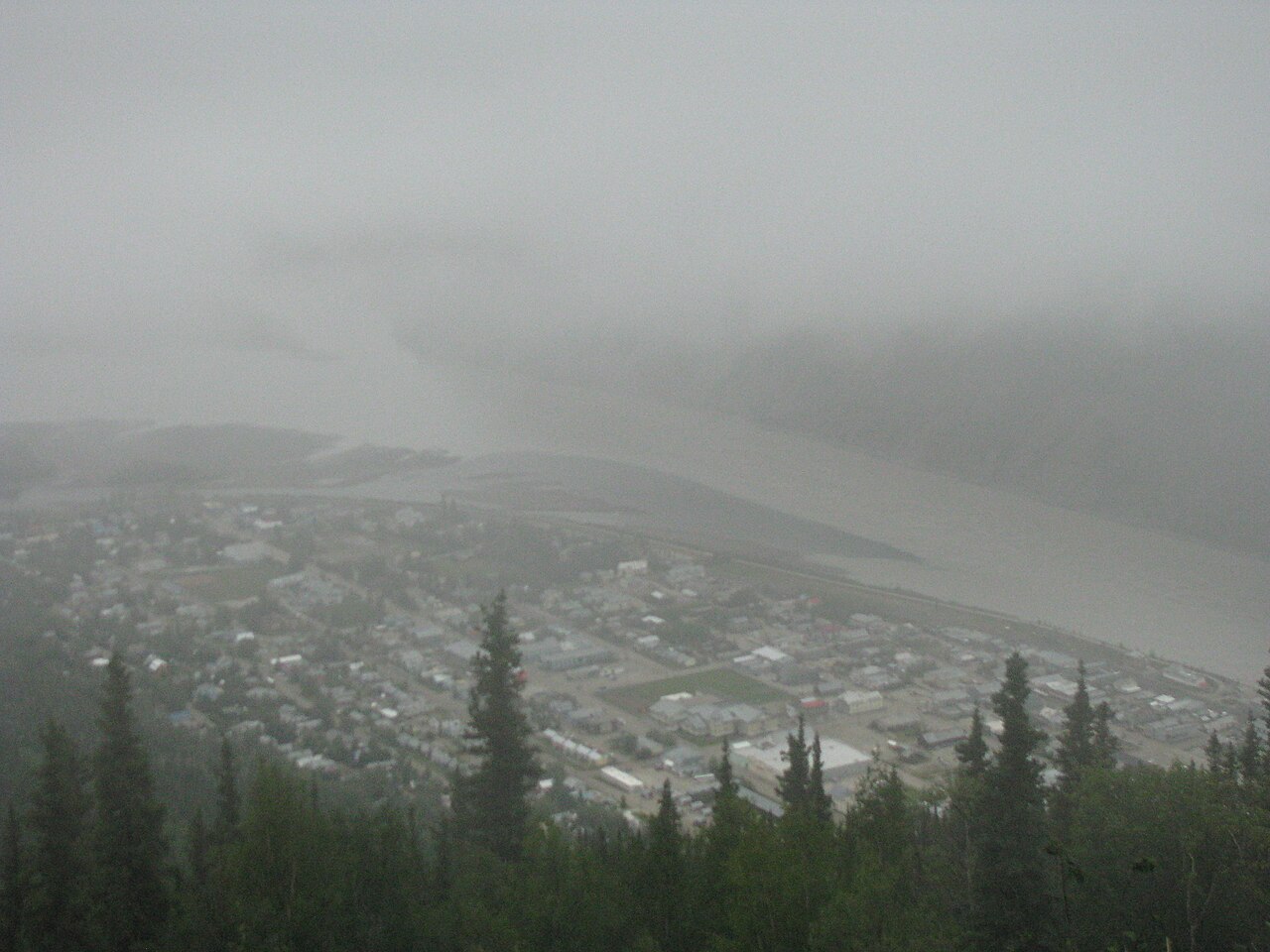
What you can do depends on the season and on invitations from the community. The Klondike Visitors Association highlights cultural experiences on its Dawson City pages, and these may include guided cultural tours, exhibits, storytelling, workshops and seasonal events. Moosehide Village is a private community, so do not visit without an invitation or permission, but you can see the white scar of the Moosehide Slide on the hillside above the river from town, and the First Nation hosts public events from time to time.
The Moosehide Gathering, a celebration of song, dance and community held every second year, is the best known of these, and visitors can attend when it takes place.
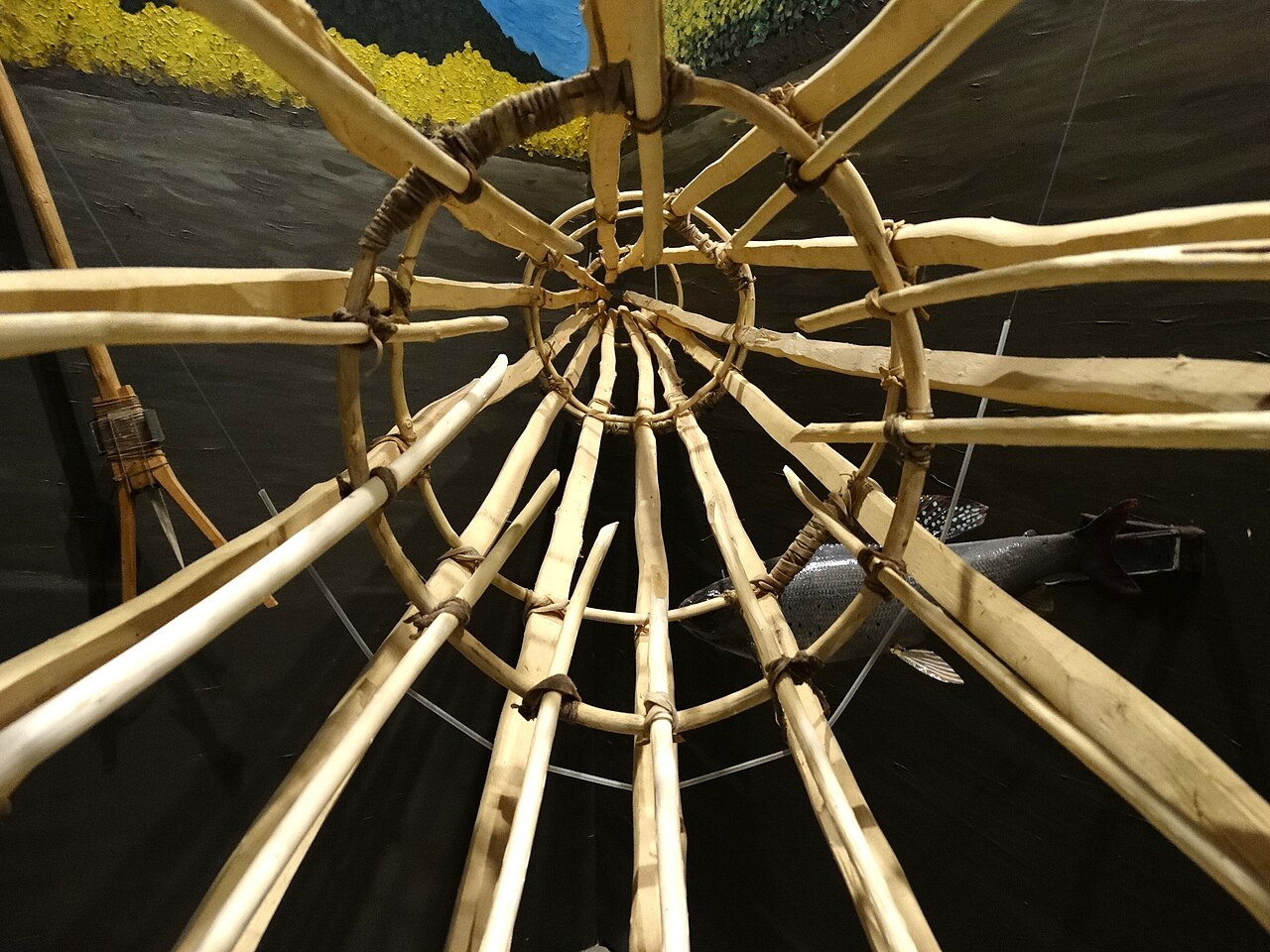
A cultural centre in Dawson has historically been the main place to see exhibits, artifacts and films about the Tr’ondëk Hwëch’in, and its programming and opening arrangements can change. Check with the Visitor Information Centre or the First Nation before you go to see what is currently available, and be prepared for the possibility that some parts of the programme are seasonal or paused for improvements.
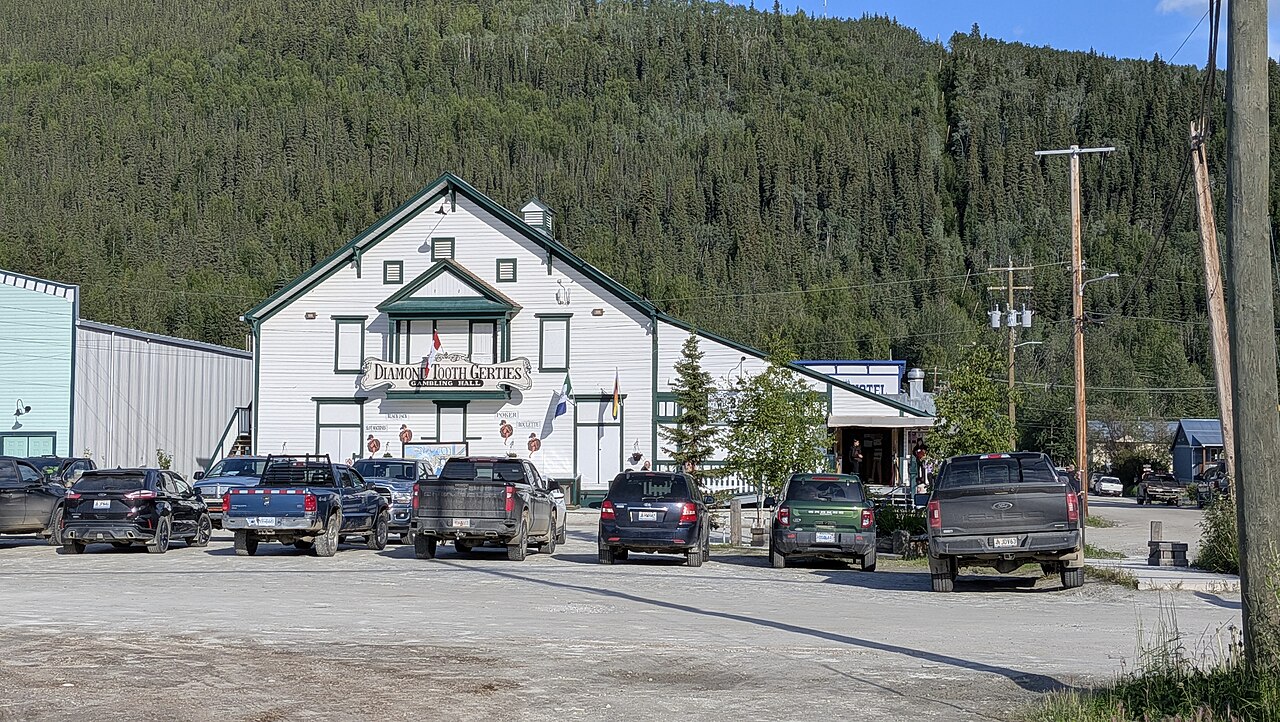
It is also worth noticing how the First Nation appears across town. Look for public art, interpretive signs, the Han language on street and building names, and statues honouring leaders such as Chief Isaac, who led his people through the years of the rush and worked to preserve their traditions. The Tr’ondëk-Klondike World Heritage designation of 2023 recognises both the gold rush landscape and the Hän story that underlies it, which is a useful reminder when you visit the museum and the historic sites.
A respectful approach goes a long way. Ask before you photograph people or ceremonies, follow the guidance of hosts and guides, buy art directly from Indigenous artists and shops where you can, and remember that this is a living community rather than a theme park. Time in the company of a local guide or at a public event will repay you more than any brochure, and it changes how you see the rest of the Klondike.
Planning tips
Build this into the start of your trip rather than leaving it to the end, because what you learn here colours everything else you see. Ask the Visitor Information Centre what is on during your dates, and if a guided cultural experience is offered, book it early, as places can be small. Wear comfortable shoes and bring a layer, since many experiences take place outdoors. Even a short conversation with a local guide can leave a lasting impression.
If you have time for only one cultural stop, make it a conversation with a local guide, and leave space in your day for it.
What to expect
The experience
Cultural experiences, exhibits and events that tell the story of the Tr’ondëk Hwëch’in people, from fish camps on the Klondike River to Moosehide and modern Dawson.
Best time
Summer, when events and guided experiences are most likely, with the Moosehide Gathering in the years it is held.
How long
One to three hours, depending on what is on.
Tips
Check what is currently available at the Visitor Information Centre, ask before taking photographs, and do not visit Moosehide Village without an invitation.
Quick picks
- Best for
- Travellers who want the whole story of the Klondike, not only the gold rush chapter.
- Families
- A good way to introduce older children to a living culture and to the history of the land they are visiting.
- Couples
- A thoughtful, memorable experience that adds depth to a trip.
- Pair with
- The Dawson City Museum, the Historic Town Walking Tour and the Midnight Dome, where you can look down at Moosehide.
- Time needed
- One to three hours.
Good questions
What does Tr’ondëk Hwëch’in mean?+
It is usually translated as “people of the river”. The Klondike takes its name from the Hän word for the river.
Can I visit Moosehide Village?+
Moosehide is a community rather than an open attraction, so visit only by invitation or at a public event.
What is the Moosehide Gathering?+
A celebration of song, dance and culture hosted by the First Nation, held every second summer.
Is there a cultural centre in Dawson?+
There has been one, but its programming and opening arrangements change, so confirm what is available with the Visitor Information Centre.
How can I be respectful as a visitor?+
Ask before photographing people, listen to your hosts, support Indigenous artists and follow any guidance given at events.