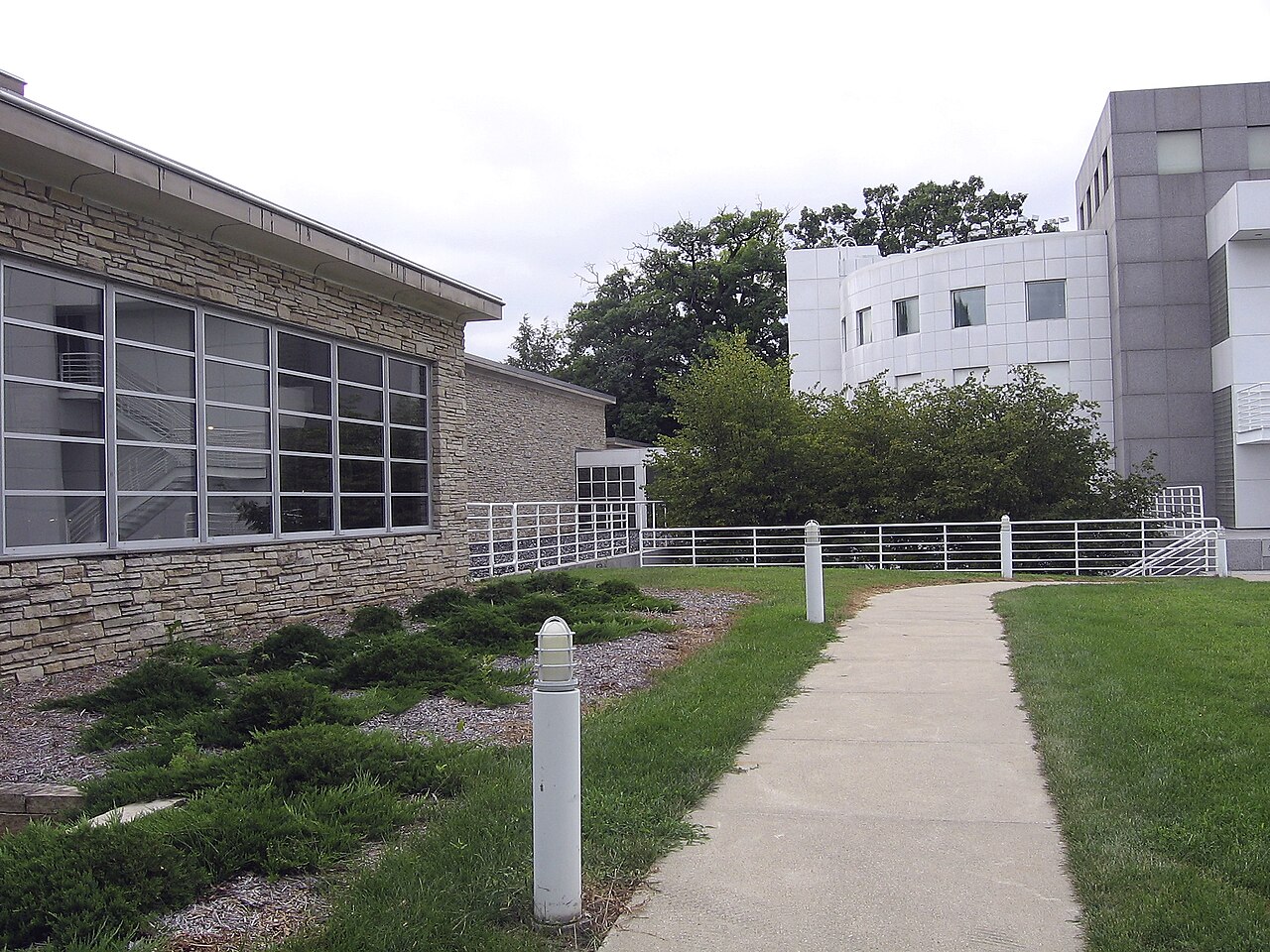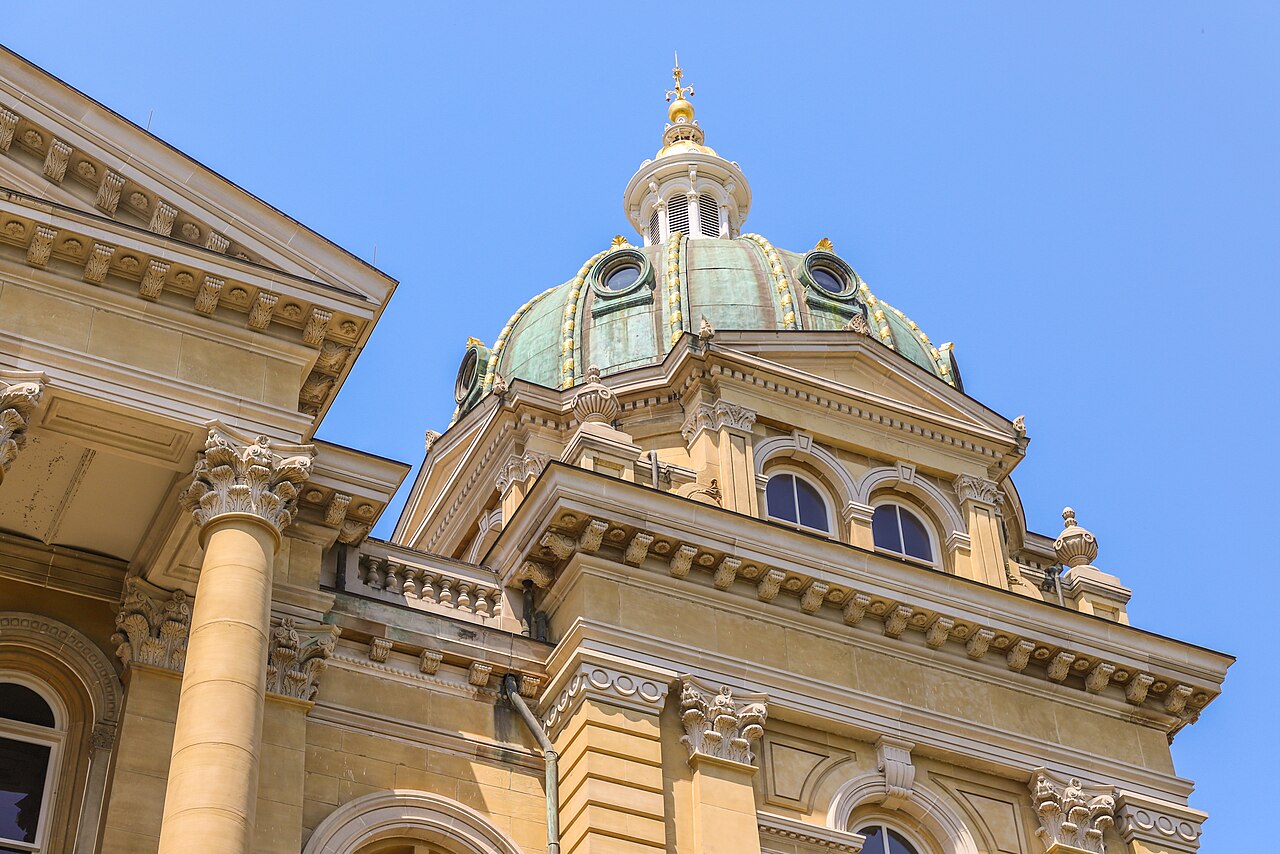
The State Historical Museum of Iowa sits on the Capitol Complex, within sight of the gold dome, and offers a clear, well-organized introduction to the history of the state. Its galleries cover the first peoples of the region, the arrival of settlers, the coming of railroads, farming, wars, politics and everyday life. A modern glass-and-stone building houses a collection of artifacts that range from tools and clothing to documents, photographs and large objects.\n\nThe museum is a good fit for visitors who want context for what they see elsewhere in Iowa. After a morning at the Capitol, it helps explain why Des Moines became the state capital and how agriculture, insurance and manufacturing shaped the city. Rotating exhibits explore particular themes, communities or eras, and the museum often hosts talks, family events and school programs.
Allow about an hour and a half for a thorough visit. Opening days and hours change, and the museum may close on certain weekdays, so check before you go. Admission policies have varied, with some free and some ticketed programs, so confirm current details when planning.
Parking is available near the complex, and the museum is accessible to visitors using wheelchairs and strollers.\n\nChildren can enjoy the museum when galleries include hands-on elements, and family programs can make the visit lively. Older students studying American history will find useful material on pioneer life, the Civil War, and rural economy.
Teachers and homeschool families often add the museum to a Capitol day. \n\nThe museum shop has books and gifts about Iowa, and the building is a pleasant place to rest if the weather is hot or cold. Photography is usually allowed without flash. Staff and volunteers are happy to answer questions, and a short conversation can point you to the exhibits that fit your interests.\n\nBecause it shares a campus with the Capitol, the walk between them is easy. The grounds have paths, monuments and benches, making this a good spot to combine learning with fresh air.
If you have time, continue to Terrace Hill or Salisbury House to deepen the story with the lives of the wealthy families who built the city.\n\nFor a rainy-day schedule, the museum fits well with the Art Center and the Science Center. For a history-themed day, add Living History Farms. Either way, it gives a solid backbone to any Des Moines itinerary.
\n\nUse the museum as a planning tool for the rest of your trip. After seeing the exhibits on farming and settlement, you will look at Living History Farms with fresh eyes, and after the sections on politics and the Capitol you will appreciate the building next door more.
Many visitors also find the museum a good place to learn about Iowa's role in national life, from the early caucuses to the state's contributions in wartime and in agriculture. Ask staff about any special exhibit or event that fits your dates, as these often provide the most memorable moments of a visit.\n\nSmall details make the difference here: read the object labels, look at the old photographs and listen for the volunteer guides, who often have personal stories about the items on display.
A museum visit like this rewards patience more than speed, and it pairs naturally with a slow lunch at one of the East Village cafes afterward.
What to expect
The experience
A history museum with galleries on Iowa's peoples, settlement, farming and politics.
Best time
Weekday mornings; any season.
How long
About an hour and a half.
Tips
Check opening days and admission before you go.
Quick picks
- Best for
- History buffs, students and families.
- Families
- Good for school-age children, especially with a family program.
- Couples
- A quiet cultural stop before lunch.
- Pair with
- The Iowa State Capitol and Terrace Hill.
- Time needed
- One to two hours.
Good questions
Where is the museum?+
On the Capitol Complex in Des Moines.
How long should I plan?+
About an hour and a half.
Is it good for kids?+
Yes, especially older children and during family programs.
Is it accessible?+
Yes, the building is accessible for wheelchairs and strollers.
What does it cover?+
Iowa's history from its first peoples to modern times, plus rotating exhibits.