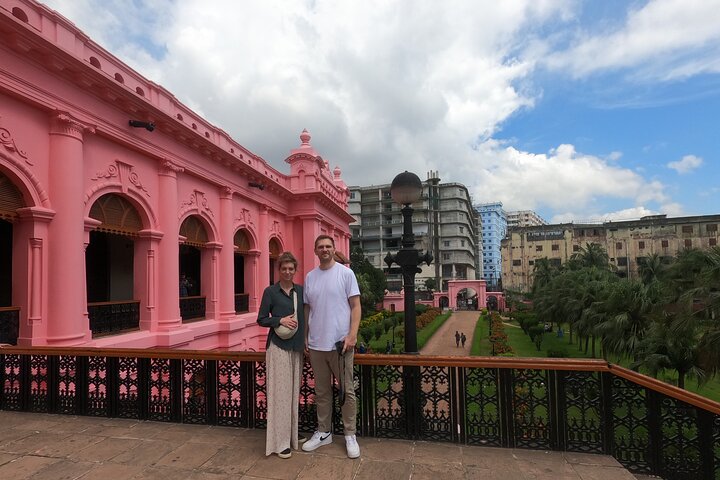
Ahsan Manzil is the building that most defines the Dhaka postcard: a pink, domed palace on the northern bank of the Buriganga, visible from the river and unmistakable from the street. It was the residence and court of the Nawabs of Dhaka, a family of landlords and public figures who shaped the city in the nineteenth century, and the main building was completed in the early 1870s. The design blends Indo-Saracenic and classical European elements, with a central dome, an arcaded terrace, a grand double staircase and rooms laid out around a spacious central hall. The palace was heavily damaged by a tornado in 1888 and rebuilt, and in the twentieth century it fell into decline before being restored and opened as a museum. Today the rooms hold period furniture, portraits, photographs and household objects arranged to suggest life in the Nawabi era, from the dining room to the bedrooms and the music room. The river terrace is the best part of the visit, with views of boats crossing toward Sadarghat. A private half-day heritage tour of Old Dhaka places the palace in its neighborhood so that the story of the quarter makes sense.
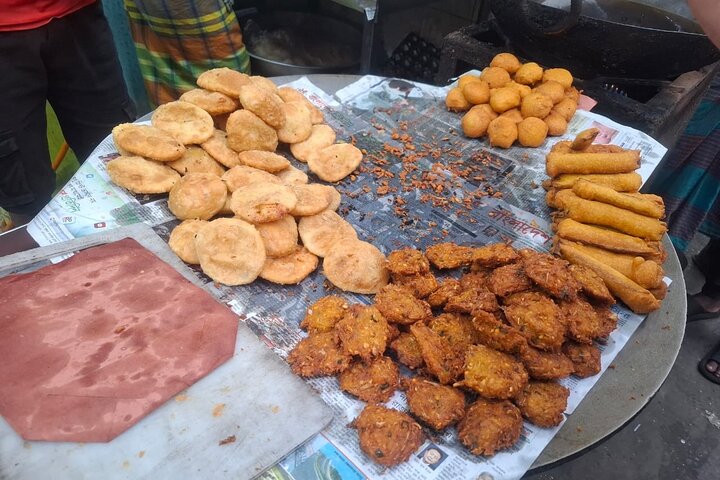
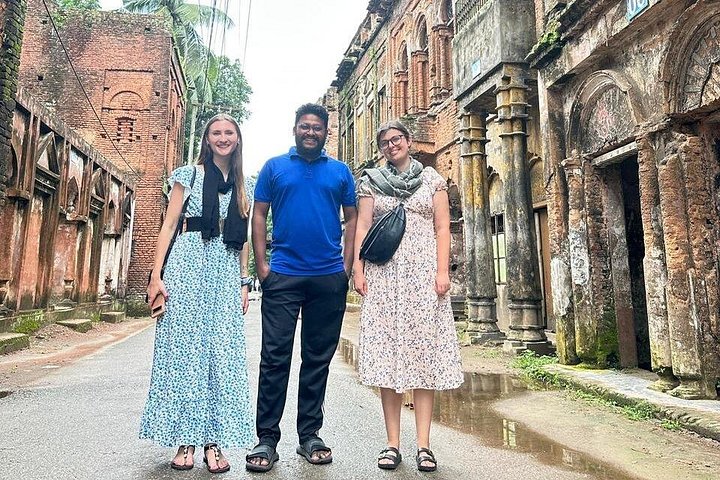
A guided route matters here because Ahsan Manzil is the starting point of a trail rather than a standalone stop. From the palace a guide can walk you toward the river, through nearby lanes of sweet shops and printers, and past former merchant houses that give the district its layered feel.
The tour is described as a half-day private walk, which suits visitors who want an Old Dhaka introduction without spending a full day in traffic. You will hear how the Nawabs funded schools, public works and cultural life, and how the family's fortunes mirrored the city's.
Inside the museum, plan about an hour. Galleries are arranged room by room, and a few are worth slowing down for: the grand staircase, the dome room with its view across the hall and the display of photographs showing Dhaka in the late colonial era. Opening days and hours vary through the year and the museum has a weekly closing day, so confirm with the operator. Photography rules differ by gallery; ask the attendants before you raise a camera.
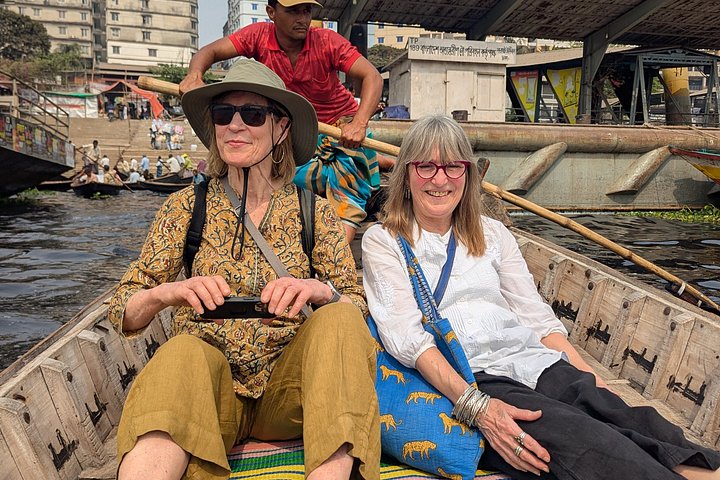
Pair the visit with the river. The ghats at Sadarghat are a short walk away, and the wooden ferries that cross the Buriganga for a few coins give a view of the palace from the water that no ticket can match. Late afternoon light turns the pink walls golden, so if your schedule allows, aim for the later part of the day.
In summer the heat can be fierce, so carry water, wear a hat and take breaks in shaded corners of the terrace. This is a gentle, rewarding stop for families, couples and anyone curious about the city before it became a megacity.
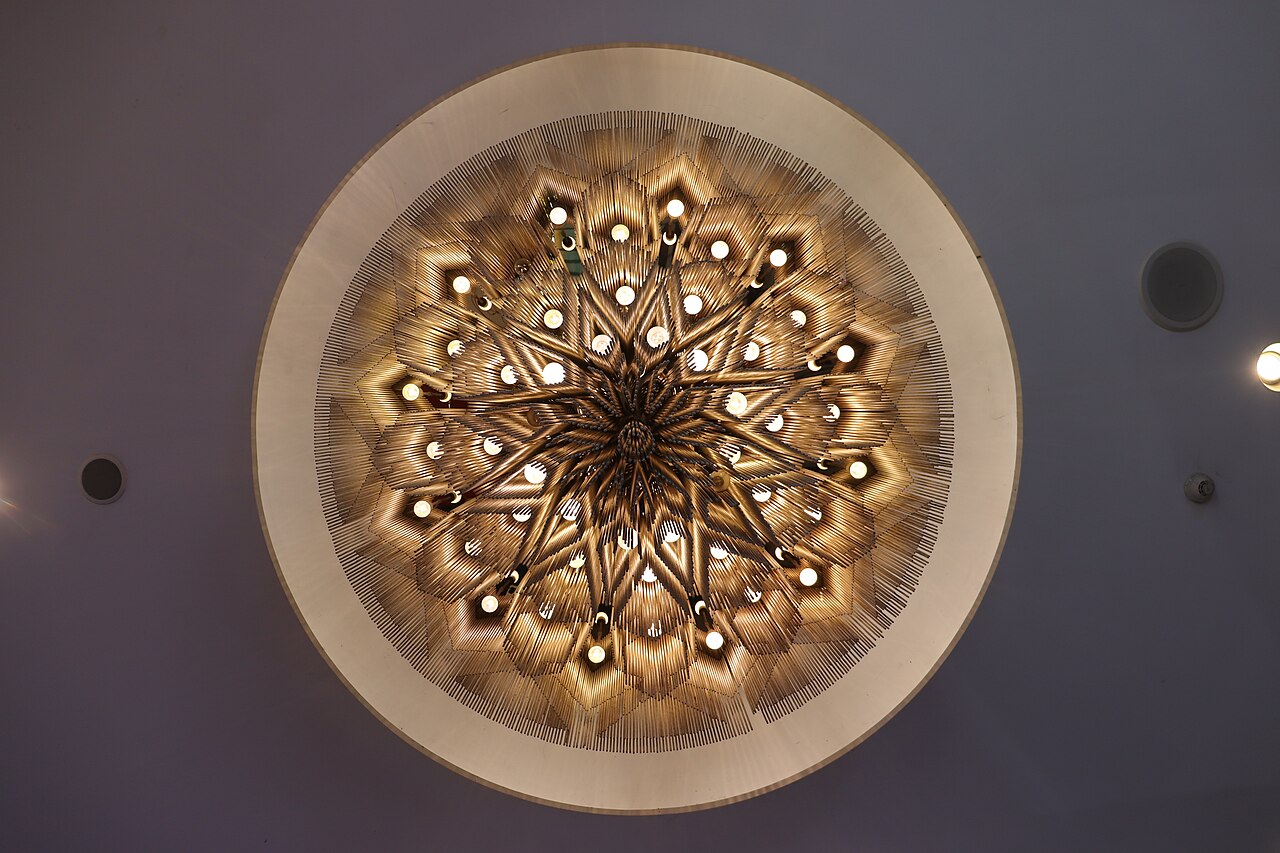
Look for the small details that reward a slow visit: the carved balustrades along the terrace, the patterned floors in the reception rooms, and the way the central dome lifts the hall into light. Notice how the building faces the water, since in the Nawabi era guests arrived by boat and the river front was the true entrance. Stand on the terrace for a minute and imagine the ferries as the palace's original traffic.
What to expect
The experience
A private half-day heritage walk through Old Dhaka that includes the Pink Palace museum and nearby lanes.
Best time
Morning or late afternoon; the pink walls look their best in soft light.
How long
About half a day, with roughly an hour inside the palace.
Tips
Check the museum's weekly closing day, carry water and ask before photographing inside the galleries.
Quick picks
- Best for
- Visitors who want a compact introduction to Old Dhaka and its Nawabi past.
- Families
- Good for families, with a terrace and open space; older children will get more from the guide's stories.
- Couples
- A graceful, photogenic stop, especially with a ferry ride from the nearby ghats.
- Pair with
- Lalbagh Fort, Sadarghat ferries and an Old Dhaka food tour.
- Time needed
- A half day for the tour, or about an hour for the palace.
Good questions
What is Ahsan Manzil?+
It is the former residence of the Nawabs of Dhaka, a pink palace on the Buriganga now run as a museum.
When was it built?+
The main building was completed in the early 1870s and rebuilt in places after a tornado in 1888.
What style is the palace?+
A blend of Indo-Saracenic and classical European features, with a central dome and a double staircase.
Is it open every day?+
There is a weekly closing day and set opening hours, so confirm with the operator before you plan around it.
How does the tour work?+
It is a private half-day walk with a guide who links the palace to the surrounding Old Dhaka neighborhood.