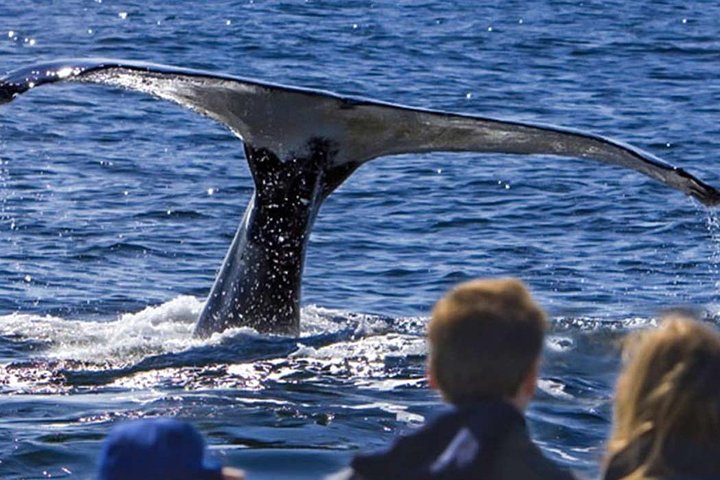
Whale watching is Dominica's wildlife headline. Deep water lies very close to the island's western shore, and a resident population of sperm whales, the largest toothed animals on the planet, uses it all year round. Sightings are most common from about November to March, when the sea is calm and females with calves are around. Boats leave from the Roseau area and head a short way out into water that is usually flat, scanning for the blow of a whale. Spotted and spinner dolphins are common too, sometimes in large, playful pods, and they make a good consolation if the whales are shy. Visitors can also see pilot whales and, more rarely, humpbacks or orcas. The cruise linked here is a well-reviewed small-boat trip combining whales and dolphins, and trips are usually half a day. Operators follow codes of conduct designed to limit disturbance, and swimming with whales is a separately permitted activity run only by licensed guides.
Dominica's west coast is the reason this works. The island is the exposed top of a steep volcanic mountain, so the seabed drops quickly and the whales feed in deep water within sight of the shore. Boat captains rely on hydrophone listening and on spotting blows, so the first part of a trip may be spent searching. Local operators quote a high success rate on half-day trips, but wildlife is never guaranteed, and a good guide will tell you honestly what to expect.
Choose a trip with respect for the animals. Reputable crews keep their distance, avoid chasing and never try to lure whales close. If you are told you can jump in with sperm whales, remember that a permit regulated by the maritime authorities is needed and the activity is led by licensed guides only. A regular cruise keeps you on board, with a naturalist commentary and time to take photographs.
Seasickness is rarely an issue on the sheltered west coast, but the open sea can still be bumpy, so take tablets beforehand if you are prone to it. Bring a hat, polarised sunglasses, reef-safe sunscreen and a light windproof layer. Morning departures usually have the calmest water. Pair the cruise with an afternoon at Champagne Reef or a hot-spring soak in Wotten Waven, and if you are visiting between November and March, book early because the best boats fill quickly.
What to expect
The experience
A small-boat cruise off the sheltered west coast, scanning for resident sperm whales and pods of spotted and spinner dolphins with a guide on board.
Best time
Mornings in the calm sea of November to March, when sightings are most frequent, though whales live here all year.
How long
Half a day, typically three to four hours on the water.
Tips
Bring a hat, polarised sunglasses and sunscreen, and take seasickness tablets beforehand if you are prone to it.
Quick picks
- Best for
- Wildlife lovers and anyone who wants a very special morning on the water.
- Families
- Good for children who like boats; the west coast is usually calm.
- Couples
- A memorable shared experience, with dolphins as a bonus.
- Pair with
- Champagne Reef snorkelling or a hot-spring soak in the afternoon.
- Time needed
- Half a day.
Good questions
When is the best time to see whales in Dominica?+
Sperm whales live here all year, but sightings are most common from about November to March. The sea is also usually calm then.
Will I definitely see whales?+
Not guaranteed, but operators report high success on half-day trips and dolphins are common as well. A good guide will tell you what to expect.
Can you swim with whales?+
Swimming with sperm whales needs a special permit and is run only by licensed guides. A standard whale-watching cruise keeps you on board.
What else might I see?+
Spotted and spinner dolphins are frequent, and pilot whales are seen too. Humpbacks and orcas are rare visitors.
Is it suitable for children?+
Yes for most children, as the west coast is sheltered. Bring seasickness tablets if anyone is sensitive.