Drumheller is famous for dinosaurs, but for much of the twentieth century it was known for coal. The Red Deer River valley held rich seams, and dozens of mines opened along its length, drawing settlers from across Europe and Canada. Towns grew quickly around them, and many faded just as quickly when demand for coal declined. What remains is a landscape dotted with preserved buildings, ghost-town streets and museums that tell the story with unusual warmth. If you have seen the Royal Tyrrell Museum and want something different, follow the mining trail.
Begin at the Badlands Historical Centre
Drumheller's original museum, founded in the 1950s, stands at 335 1st Street East, downtown. It is a small community museum rather than a polished institution, and its value is in the local context: who came to the valley, why and what they built. Hours and admission are not published on the Travel Drumheller page, so phone or check the museum's page before you go. Visit it first, because everything else you see will make more sense afterwards.
Pick up the Coal Dust Trail
The Coal Dust Trail is a self-guided route of eighteen roadside stops with interpretive signs about the valley's mining history. It runs from the Red Deer Valley Coal Company site in Nacmine to the Atlas Coal Mine in East Coulee, and a brochure with a map is available at the World's Largest Dinosaur. You do not have to drive the whole thing, but using it as a spine for the day gives your drive a purpose. Stop at the signs that interest you, and let the rest pass.
Atlas Coal Mine
At the end of the trail, in East Coulee, the Atlas Coal Mine is the high point. It is a National Historic Site, and its processing plant, or tipple, is a tall timber structure that dominates the site. Visitors can walk the grounds, ride a short train, take a processing plant tour of about forty-five minutes or hike to the mine portal, which takes about an hour and a quarter. Some areas can only be reached on a guided tour. It is a seasonal site, closed in winter and open daily through the summer, so check before you travel, and book the tours ahead in the busy months.
East Coulee School Museum
A few minutes from Atlas, the East Coulee School Museum fills a former twelve-room school with the lives of miners and their families. It has a 1930s classroom, a miner's shack, a family room and a fossil room, and the Willow Cafe serves lunch. It is listed as open year-round and as wheelchair accessible, which makes it a good all-weather stop. Interpreters often share stories, and those conversations are where the history becomes personal.
Wayne and its bridges
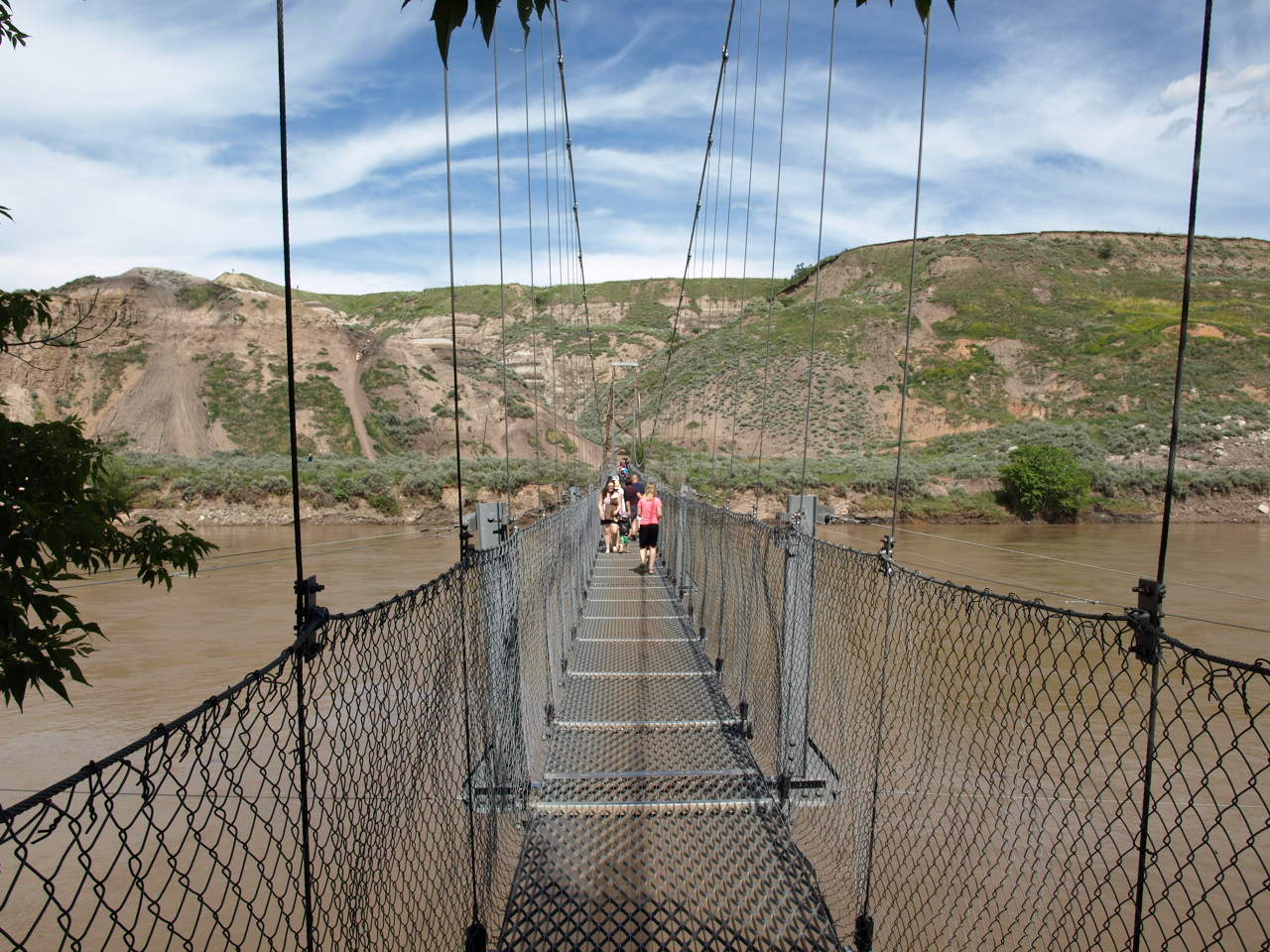
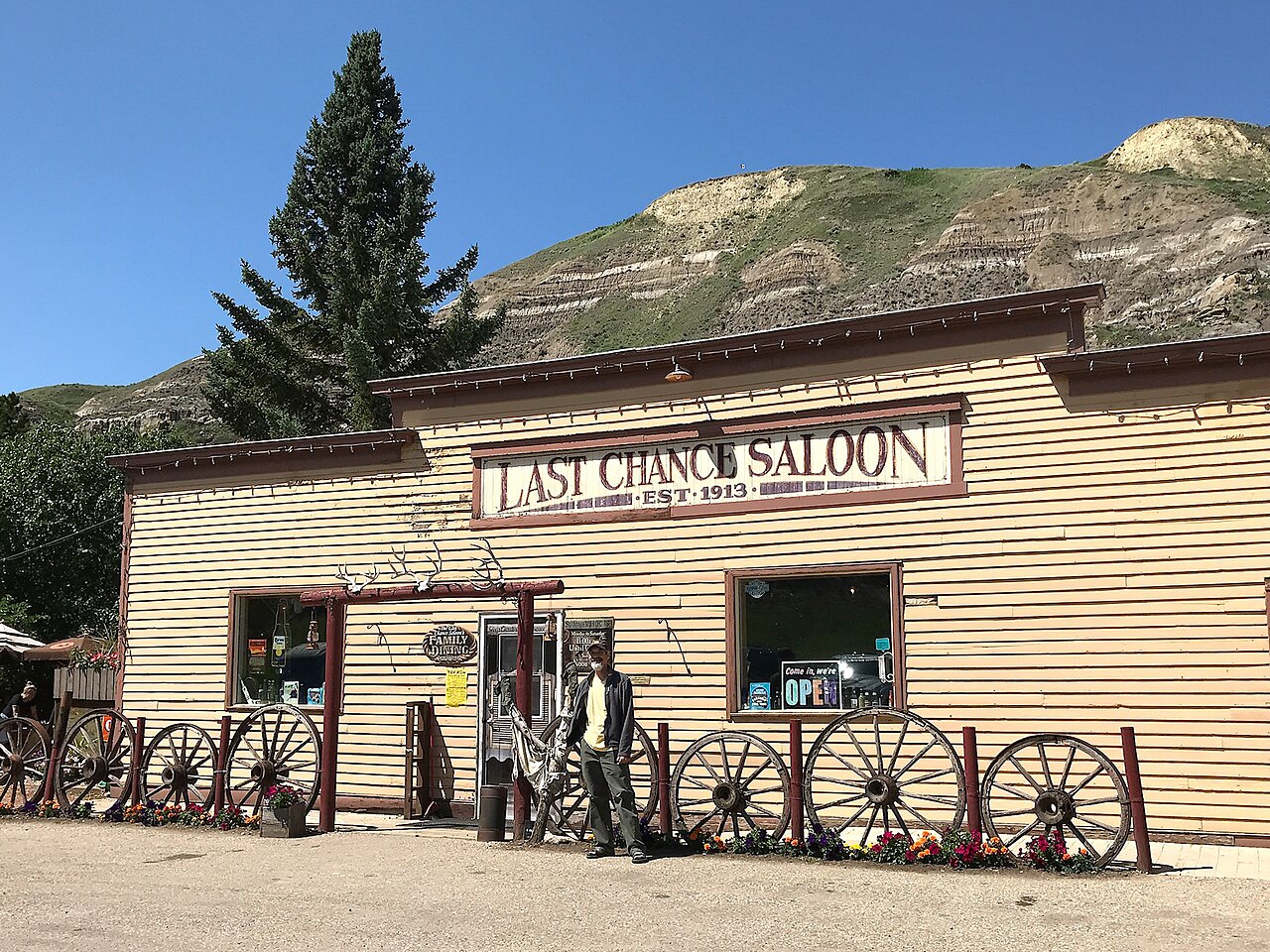
The road from Rosedale to Wayne crosses eleven bridges over the Rosebud River, and the drive is half the pleasure. Wayne was once a busy mining town, and today it has only a couple of dozen residents. The Last Chance Saloon, which dates from 1913, is the main reason to go, with a wood-and-memorabilia interior and a menu built around brisket and grill-your-own steak. Check hours before you drive out, especially in winter, and take care on the narrow bridges. On the way, walk the Rosedale Suspension Bridge, a reminder of how miners crossed the river to work.
Quiet hamlets
If you have time, add Dorothy, a nearly abandoned prairie hamlet east of town with restored churches and a bunkhouse, and Rowley, a preserved village with three grain elevators, which is a longer drive. They are not mining towns, but they show the same pattern of rise and decline on the prairie.
Planning the day
The mining sites cluster at the southeast end of the valley, so base yourself in Drumheller and make it a full day: the Historical Centre in the morning, the Coal Dust Trail and the Hoodoos on the way, Atlas and East Coulee at midday and Wayne in the afternoon. Wear sturdy shoes, bring water and a jacket, and allow longer than the map suggests. If you only have half a day, choose the Atlas Coal Mine or the East Coulee School Museum plus the Hoodoos, and leave Wayne for another trip. The valley is quiet enough that you can stop wherever something catches your eye, and the people who keep these places going are usually happy to talk, so ask questions and linger when you can.