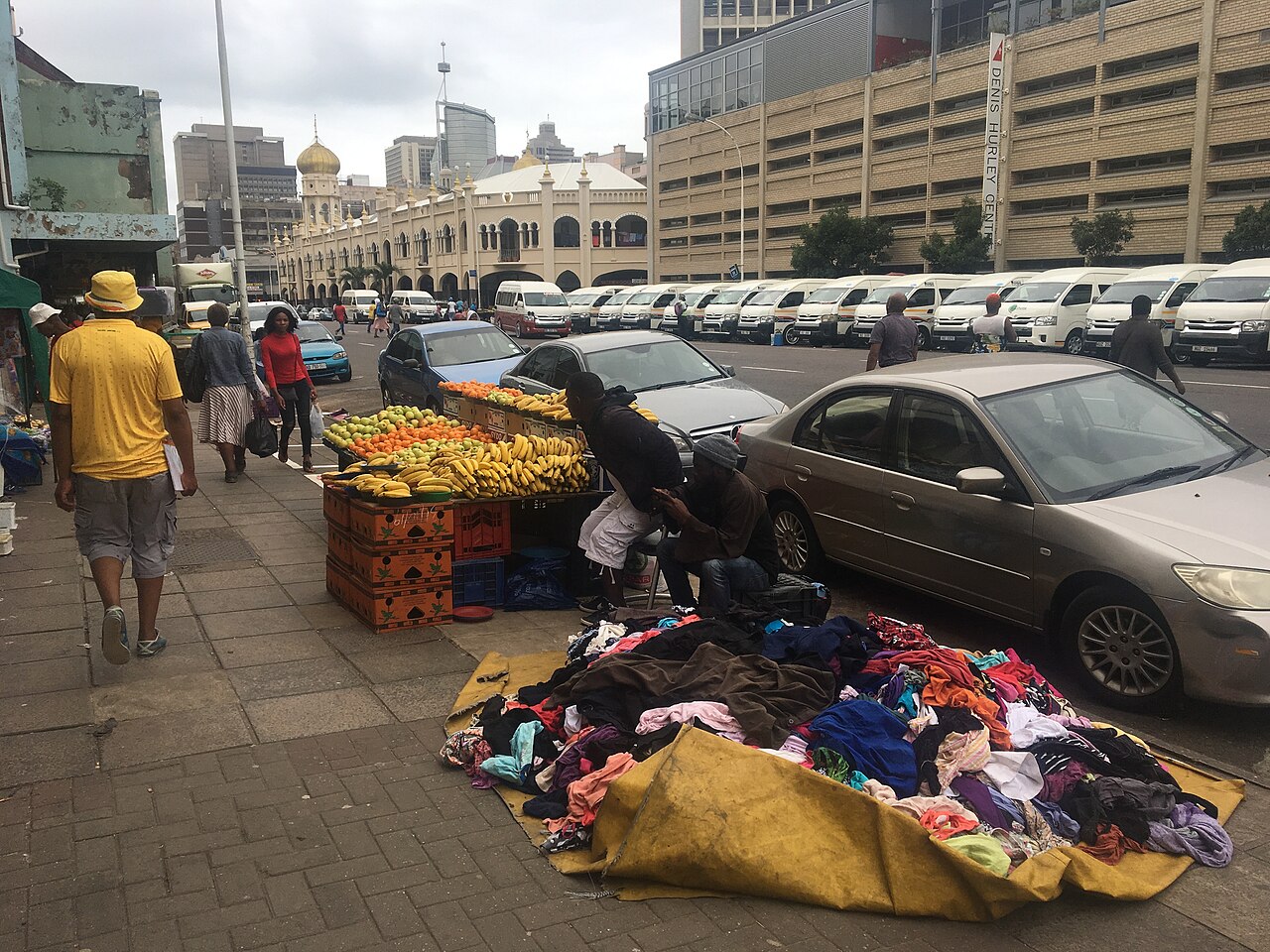
Victoria Street Market is where Durban's Indian and African cultures meet under one roof. The market's own site describes a large ornate building that locals call the Vic, standing on the corner of Queen and Victoria Streets, and says the open-air markets that grew into it first opened in the 1870s. Today more than 170 stalls sell fresh produce and interesting food, spices, saris and scarves, arts and crafts, woven baskets, beaded dolls and animals and oriental ceramics. The spice stalls are the sensory highlight, with heaped pyramids of masala, chilli and turmeric, and many vendors are happy to explain blends and sell small bags that travel well. Bargaining is part of the culture at craft stalls, and a friendly, unhurried approach works best. The market is a short walk from Grey Street, also called Dr Yusuf Dadoo Street, the cultural heart of the city's Indian community, which makes the two natural companions.
What to buy
Spices are the classic souvenir, along with fabrics, beadwork, carved items and baskets. Food stalls and nearby cafes serve the curries and snacks the city is known for, so come hungry. Small bags of spice mix are easy to pack and make good gifts, while bulkier crafts are better bought toward the end of your visit so you are not carrying them all day.
Trading hours
The market's own site gives two different sets of hours. One header shows Monday to Friday eight until five, Saturday eight until four and Sunday nine until three, while the visitor notes on the same page say Monday to Saturday eight until six and Sunday ten until four. The page dates from October 2018, so confirm before you go, and call the market on the number on its site if you are planning around a specific time. Arriving in the morning gives you the freshest produce and the cooler hours.
Getting there and staying comfortable
The market is in the city centre, so a taxi or ride-hailing car from the beachfront is the simplest way to arrive and leave. Carry only what you need, keep phones and cameras tucked away in crowded aisles and use a cross-body bag. A guided walk that includes the market can add context if you would like help with bargaining and with what to try. Wear closed shoes, since floors can be uneven, and bring small notes for quick purchases.
What to expect
The experience
A covered, self-guided market of more than 170 stalls selling spices, textiles, crafts and food, with entry free and bargaining expected at craft stalls.
Best time
Go in the morning for fresher produce, cooler air and a calmer pace before the lunchtime rush.
How long
Plan one to three hours, longer if you add the nearby Grey Street area or lunch.
Tips
Confirm opening hours first, bring small notes, bargain politely, keep bags closed and use a taxi or ride-hailing car to get there.
Quick picks
- Best for
- Food lovers, souvenir shoppers and anyone curious about Durban's Indian heritage.
- Families
- Older children enjoy the colours and smells, though the aisles are narrow and busy, so keep younger ones close.
- Couples
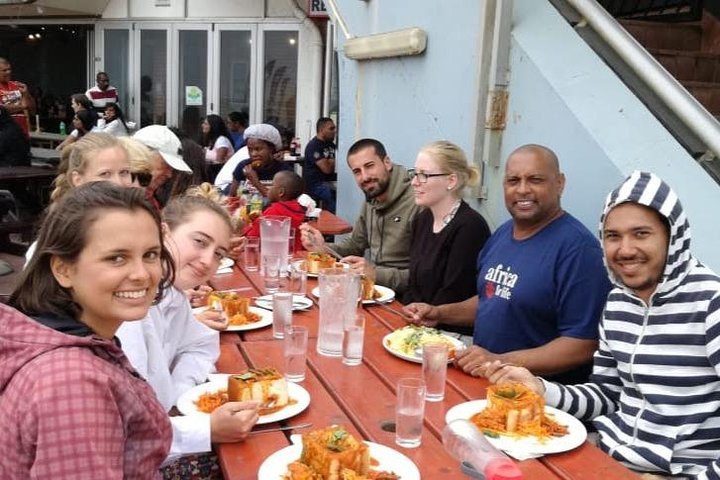
- Share a curry from a nearby cafe and pick out spice blends together to take home.
- Pair with
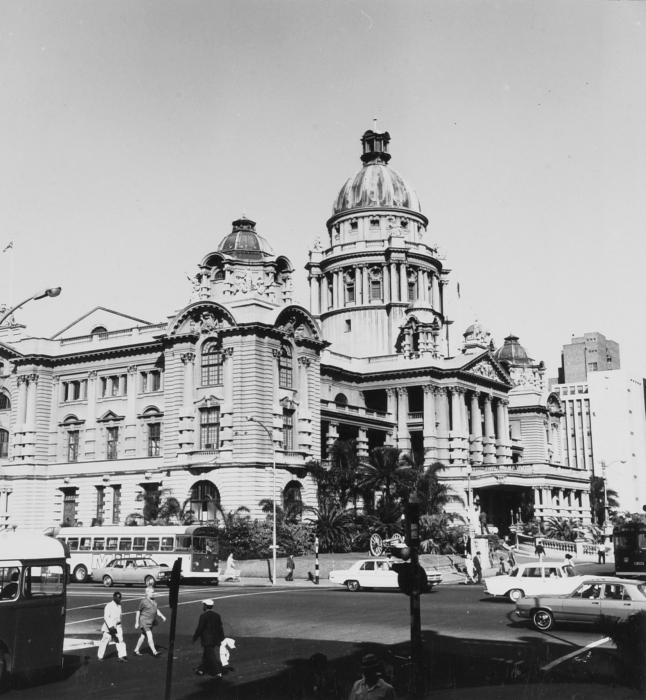
- A cultural walking tour, Grey Street and the Art Gallery in City Hall.
- Time needed
- Two hours is comfortable for the market and a snack.
Good questions
What are the opening hours?+
The market's own site shows two different sets of hours, one from Monday to Saturday and a longer one including Sunday. The page dates from 2018, so confirm before you travel.
What can I buy at Victoria Street Market?+
Spices, saris and scarves, arts and crafts, woven baskets, beaded dolls and animals, ceramics and fresh food across more than 170 stalls.
Is it free to enter?+
There is no ticket for the market itself, and you pay only for what you buy. The market's page does not mention an entry fee.
Is bargaining expected?+
At craft and textile stalls a polite bargain is normal, while food and spice prices are usually fixed or lightly negotiable. Be friendly and ready to walk away.
What else is nearby?+
Grey Street, also called Dr Yusuf Dadoo Street, is close and is the cultural centre of the city's Indian community. It is a good place to extend a visit on foot.