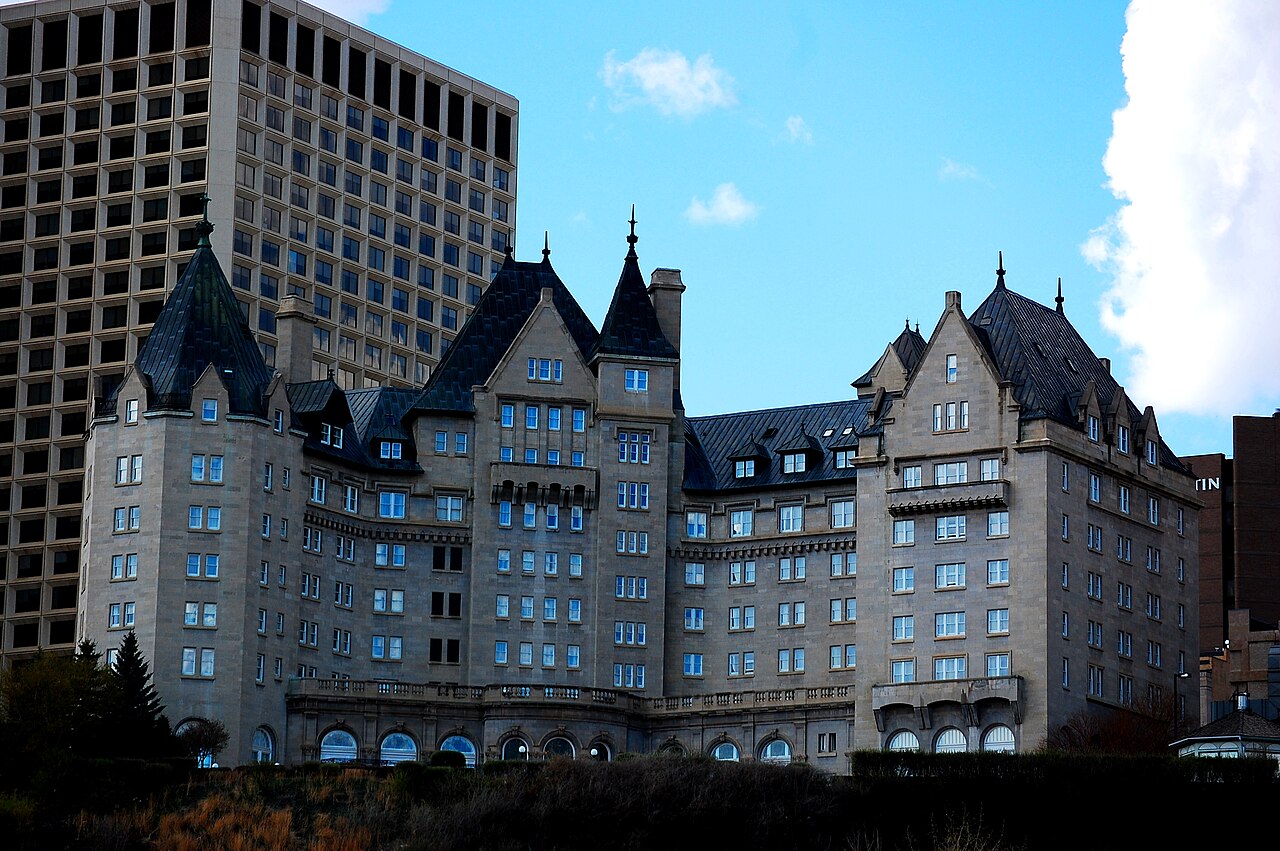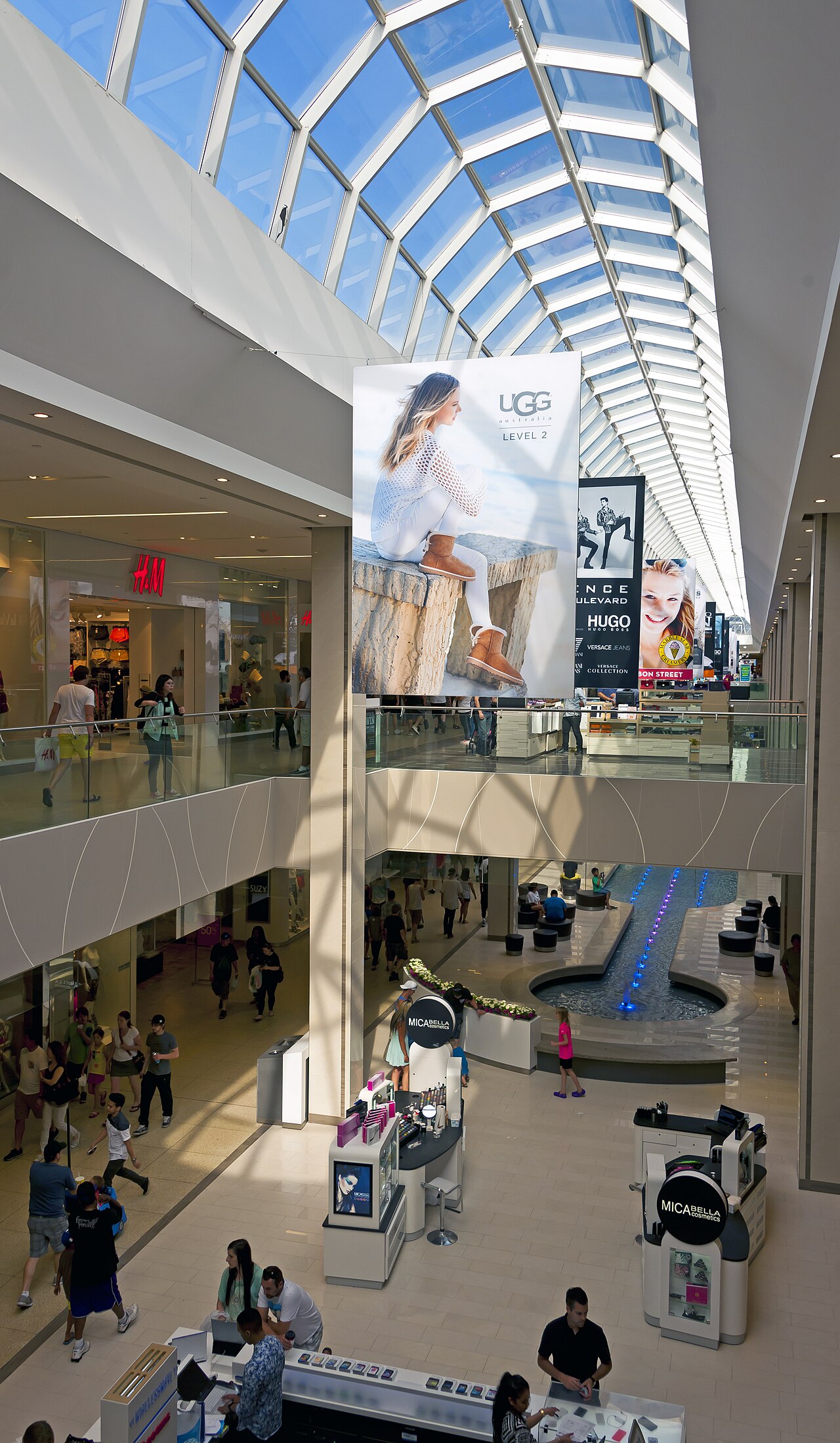
Edmonton is a spread-out northern city with a deep river valley running through its middle, a famous mall on the west side and a compact downtown. It rewards a little planning, because distances are real, winters are cold and a few of the best sights run on seasonal or limited hours.
Know the season first
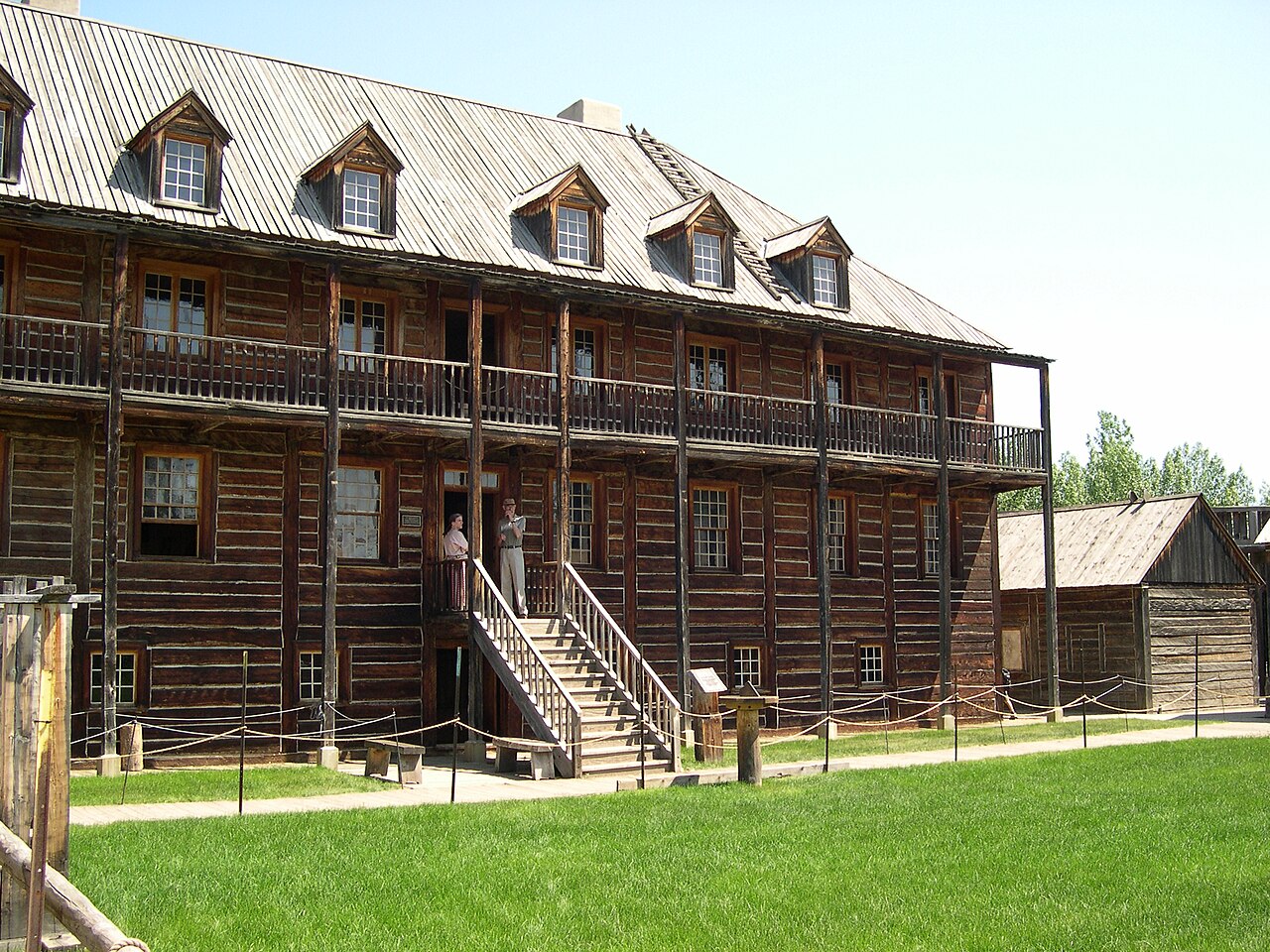
Summer is the full-service season, when Fort Edmonton Park runs its historic streets and the river valley is at its liveliest. From late September to late April the park opens only on weekends with the Indigenous Peoples Experience, plus a Christmas market on selected days in late November and December. Winter in Edmonton is properly cold, so dress in thermal layers, boots with grip, a warm hat and gloves. The upside is that the city is built for it, with indoor attractions that make the cold part of the fun.
What to book ahead
Four things are worth planning. Fort Edmonton Park sells tickets in advance, and the Christmas market uses timed entry, so get those before you travel. The Royal Alberta Museum is closed on Monday and Tuesday, so build your days around that. Galaxyland and World Waterpark sell day passes through the mall's website, and the busiest days are weekends and school holidays. And the two guided tours, the river valley Segway ride and the three-hour walking tour, are best reserved a few days ahead so you can check the weather, with free cancellation helping if plans change.
Getting around
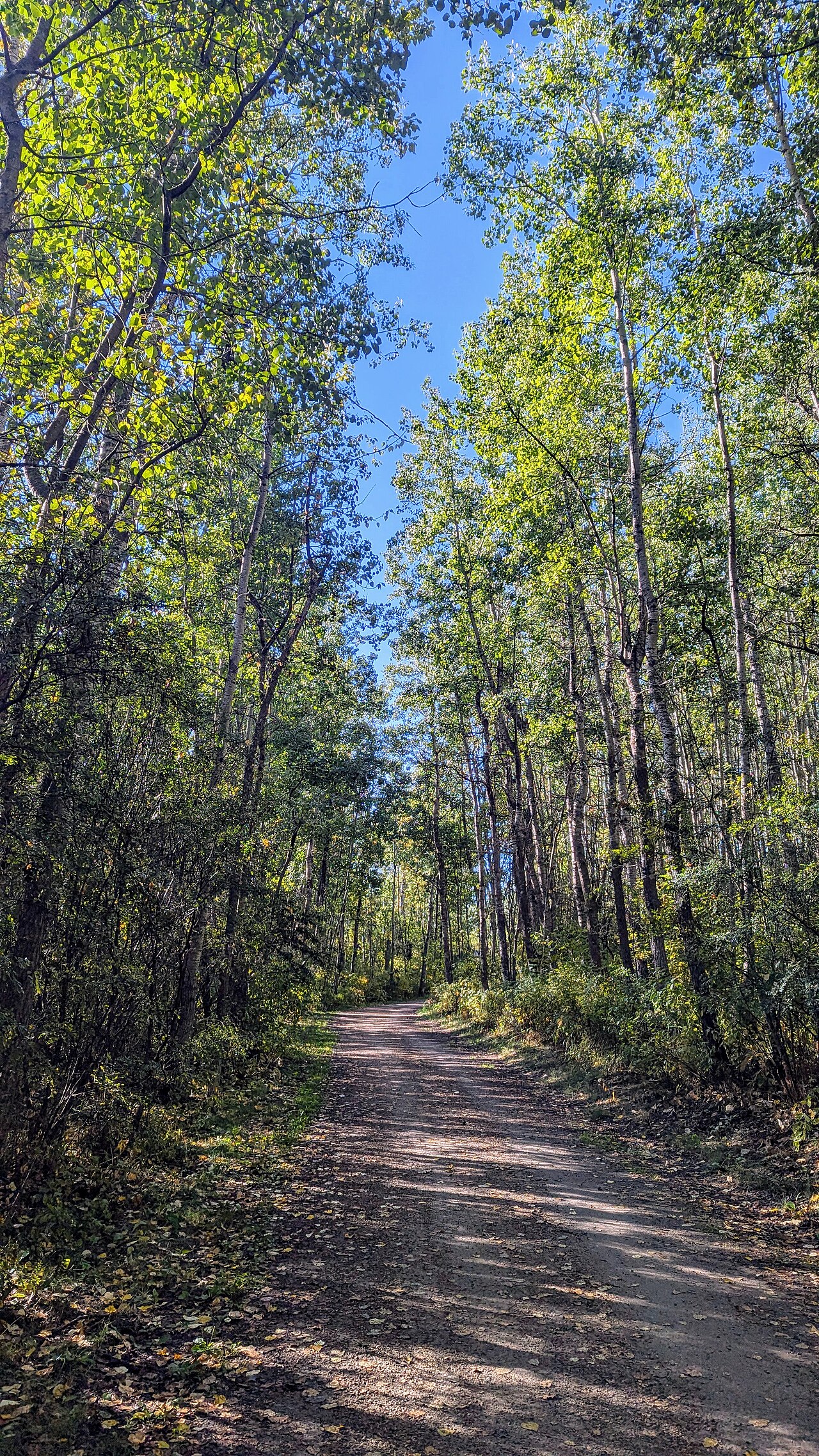
Downtown is compact and walkable, and the LRT connects downtown with the university and Old Strathcona. The river valley is best reached from Louise McKinney Riverfront Park, which has a funicular from the rim. West Edmonton Mall, Fort Edmonton Park and Elk Island National Park are all spread out, and a rental car makes them much easier, though taxis and rideshares work for the first two. Elk Island needs a car, since there is no regular public transit to the park, and a winter drive should be approached with care, with a full tank and a check of the road conditions.
How many days
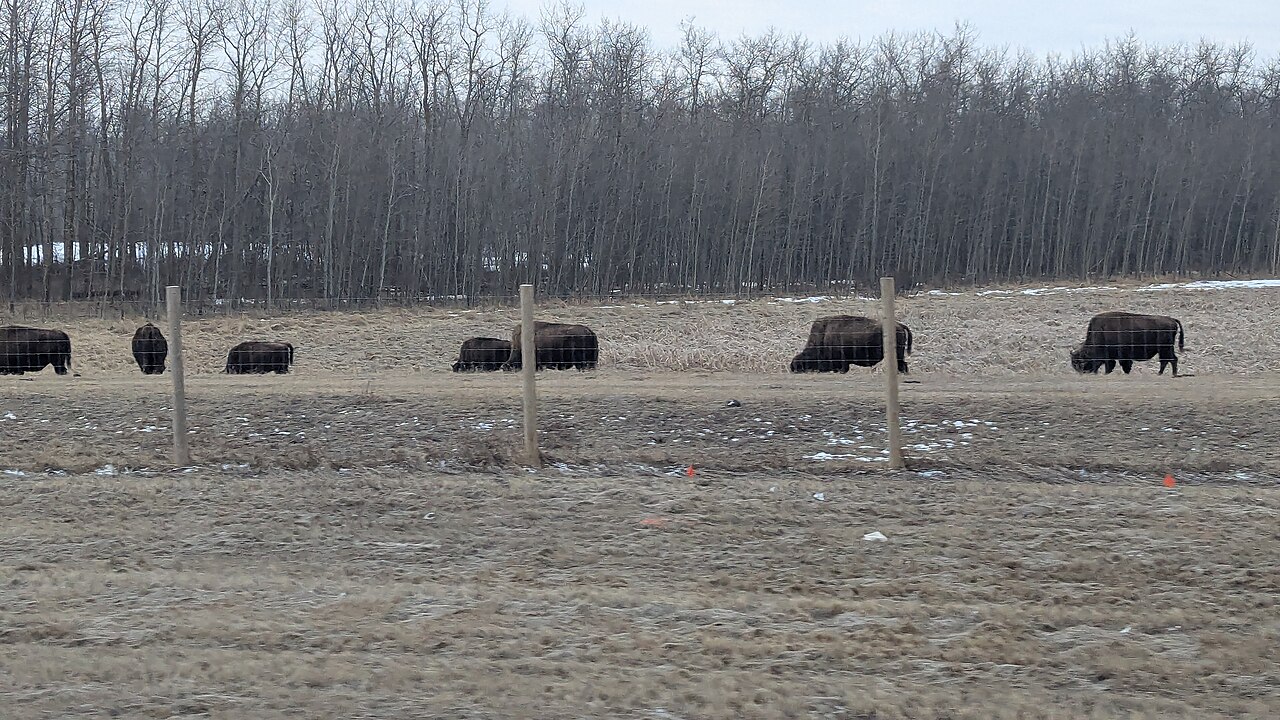
Two days covers the headline sights if you are efficient: one day for downtown, the Royal Alberta Museum, the river valley and the Muttart Conservatory, and one for West Edmonton Mall with Galaxyland or World Waterpark. Three days lets you add Elk Island for bison, or Fort Edmonton Park, without rushing. Four days gives you time for Old Strathcona, a festival, or a slower pace in the river valley, which is especially good for families with young children.
How the sights fit together
The museum, the walking tour and the Segway ride all cluster downtown, which makes that a natural first day. The Muttart Conservatory sits on the south bank of the valley and pairs with Old Strathcona. The mall is a half-day or full-day outing in its own right, and Galaxyland and World Waterpark are best treated as the main event rather than a quick stop. Fort Edmonton Park is on the south-west side of the valley and goes well with the museum if you want to follow the city's history. Elk Island is an early-start day trip east of the city.
Where to stay
Stay downtown or on Whyte Avenue if you want to use transit and walk, or at the Fantasyland Hotel if the mall is the point of your trip. Book early for August festivals and big hockey nights, when prices rise and rooms disappear. A final practical note: tipping is customary in restaurants and for guided tours, prices are shown before sales tax, and a card works almost everywhere.