Elk are the mascots of Estes Park. They graze on lawns, walk down streets, rest in meadows and, in autumn, fill the valley with one of the strangest and most thrilling sounds in North America. Watching them is free, easy and endlessly rewarding, but it needs a little knowledge and a lot of respect.
Where to look
The best viewing in the national park is in Moraine Park and Horseshoe Park, two broad glacial valleys where the animals graze in open meadows and you can watch from a safe distance. The meadows near the Beaver Meadows entrance are also good. In town, elk are often found around Lake Estes, on golf courses and on the lawns of hotels and parks. Early morning and the hour before sunset are the best times, because the animals are most active when it is cooler and quieter.
The rut
From early September to mid-October the breeding season, known as the rut, transforms the animals. Mature bulls grow a thick neck mane, gather groups of cows and challenge rivals with bugling, a rising whistle that ends in a series of grunts. Bulls spar with their antlers and herd the cows, and the meadows become a stage at dawn and dusk. The rut draws crowds, and rangers and volunteers often manage traffic and viewers at the busiest locations. Visit on a weekday if you can, arrive early and expect to share the view.
Other seasons
In spring, herds start moving upslope as snow melts. Cows give birth in late May and June and are very protective of their calves, so give them extra distance. In summer, many animals move to cooler elevations along the high ridges and tundra, and you may see them from Trail Ridge Road. In winter, herds return to the valley floors and gather in larger groups, and the animals stand out against the snow. A winter wildlife tour is a quiet and rewarding way to find them.
Safety rules
Elk are large wild animals, and bulls in the rut can be aggressive. Cows with calves can also be dangerous. Keep at least 75 feet (about 25 yards) away, and farther if the animal shows any sign of agitation, such as a lowered head, flattened ears or a stare. Never approach to take a photograph, and use a zoom lens instead. Stay beside your vehicle in meadows and never position yourself between animals. Do not feed elk, make noises to attract them or follow them. If an elk moves toward you, back away calmly and put a car, tree or building between you. Keep pets on a leash and away from the animals.
What to pack
Binoculars and a long lens are the key items. Dress in warm layers, because the best times are cold, and bring a folding chair or a blanket if you plan to wait. A flashlight with a red filter helps you get to your car in the dark without disturbing the animals, and a thermos of something hot makes the wait a pleasure. Bring patience and keep your voice low.
Guided options
If you prefer a guide, elk-watching tours depart from Estes Park and use vehicles that let you see more with less effort. Guides know where the herds are likely to be on a given day, carry optics and explain behavior. They also take care of timed entry arrangements during the busy season, which can be a relief. Rutting season tours book up early, so reserve ahead.
Elk in town
Elk in the middle of Estes Park are wild, not tame. Drivers should slow down, cross-traffic is common after dark, and pedestrians should step away from animals on sidewalks. Local businesses and rangers will remind visitors that the goal is for everyone, people and elk, to go home safely. Treat every encounter as a privilege.
Combine it with the rest of your trip
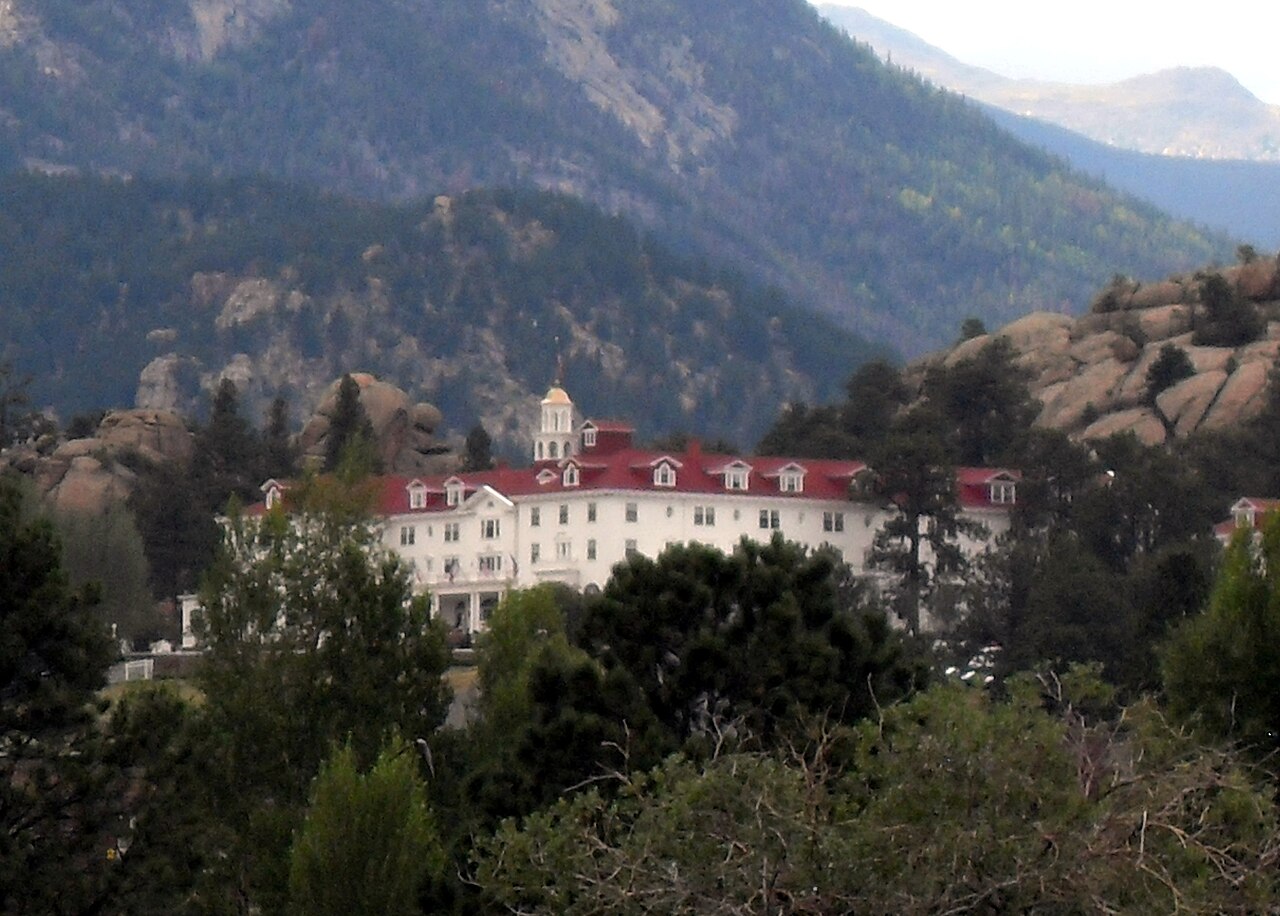
Elk watching works well as an evening add-on to a day of hiking or sightseeing. A late afternoon in Moraine Park followed by dinner in town is a classic autumn plan, and the Stanley Hotel's porch is a comfortable place to listen to the bugling after dark.
A note on photography ethics
Good wildlife photographs never require disturbing an animal. If an elk changes its behavior because of you, by stopping to feed, looking at you or moving away, you are too close. Patience and a long lens will always produce better images than a risky approach, and the story of a calm animal in good light is worth the wait.