Estes Park is a small town with an outsized job: it is the main gateway to Rocky Mountain National Park, and most visitors want to see a lot of the park in a short time. Three days is enough for the headline sights if you sequence them well, work around the permit rules and leave space for the pleasures of the town itself. This itinerary assumes a visit between late spring and early autumn, when Trail Ridge Road is open; a winter version is described at the end.
Before you arrive: permits and the first night
During the summer and early fall season the park uses timed entry for most of the day, with a separate permit type for the Bear Lake Road corridor. Check the park website for the current dates and hours, and reserve as soon as the window you need opens. Arrive in town the day before if you can, because the altitude (about 7,500 feet) needs a gentle first evening: a walk along the Riverwalk, an early dinner and plenty of water.
Day one: Bear Lake Road and the lakes
Start early, ideally before the morning permit window opens or with a Bear Lake corridor reservation in hand. Drive up Bear Lake Road, stopping first at Moraine Park to look for elk in the meadows, then at Sprague Lake for the flat loop and mountain reflections. Continue to Bear Lake, walk the nature trail, then climb to Nymph Lake and Dream Lake, and to Emerald Lake if energy allows. Alberta Falls is a shorter alternative from the Glacier Gorge trailhead. Be down from the high ground by early afternoon, when thunderstorms build. Spend the late afternoon in town, browse Elkhorn Avenue and have dinner by the river.
Day two: Trail Ridge Road and Grand Lake
Leave early and drive Trail Ridge Road west. Stop at Rainbow Curve, Forest Canyon Overlook, Rock Cut and the Alpine Visitor Center, where the air is thin and the views run for a hundred miles. Cross the Continental Divide, drop into the Kawuneeche Valley and look for moose near the Colorado River headwaters. Have lunch in Grand Lake, walk the boardwalk and enjoy the water. Return the same way in the afternoon light, or take a guided Grand Lake tour so you can watch the scenery instead of the road. Back in Estes Park, a quiet dinner is enough after a big day.
Day three: the town, the Stanley and something different
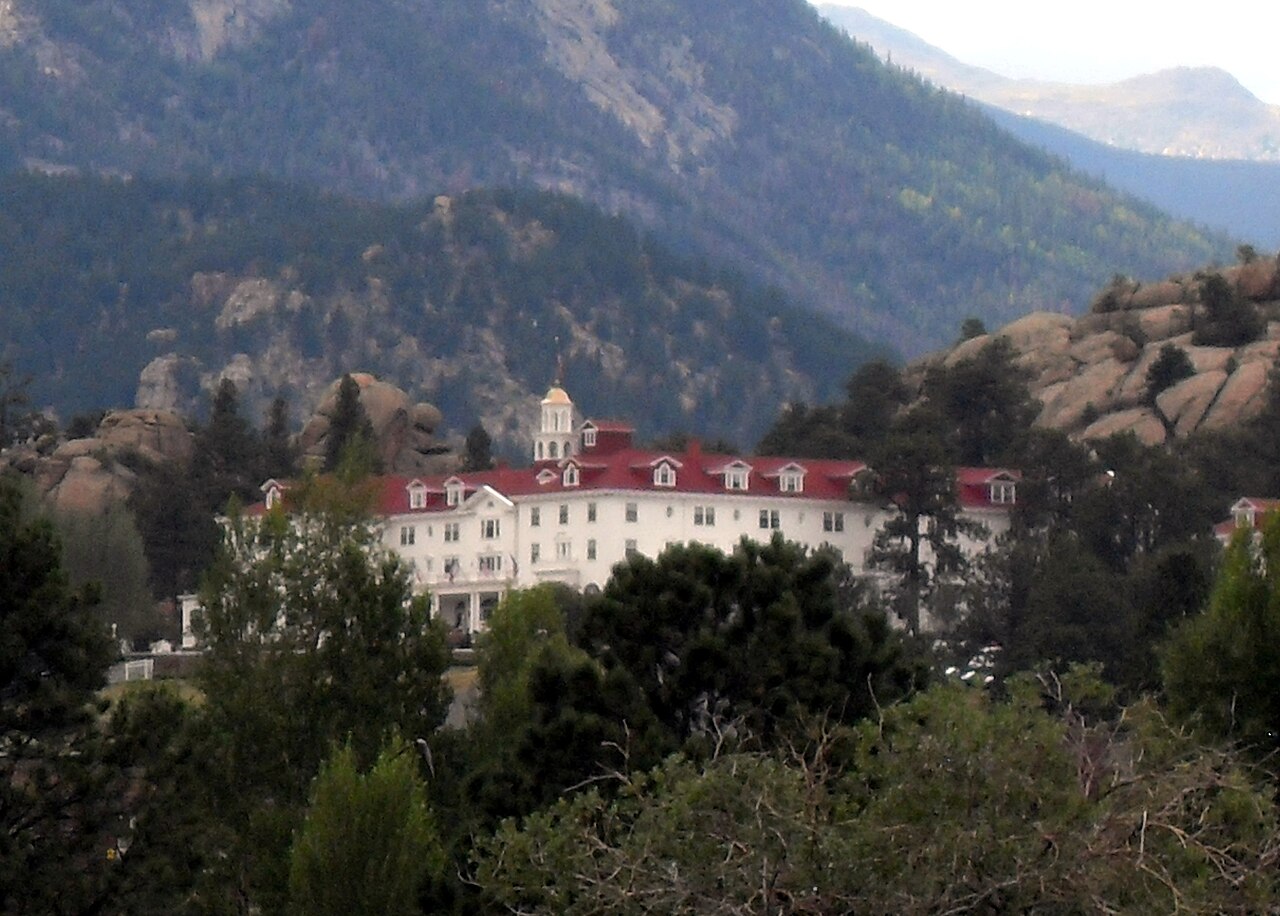
Spend the morning on the town's own attractions. Ride the aerial tramway if it is running for a high view of the valley, walk or bike part of the Lake Estes Trail, or take a guided e-bike ride. After lunch, tour the Stanley Hotel, the white 1909 landmark that inspired Stephen King's The Shining. The day and evening tours tell the history and the ghost stories, and the grounds are worth a stroll. If you have a spare late afternoon, drive back into the park for elk watching at Horseshoe Park or Moraine Park, especially in September and October when the bulls are bugling. End the evening with a drink on the hotel porch with the mountains darkening behind.
Swaps for different travelers
Hikers can replace day three's town activities with the Gem Lake hike or Wild Basin's waterfalls. Families might swap the long Trail Ridge day for a shorter drive to the Alpine Visitor Center and back, adding horseback riding or a gentle lake walk. Couples may prefer a sunrise tour to get empty roads and good light. If you only have two days, combine day one and day two and drop the town day, using the Stanley for a single evening.
A winter version
From late autumn through spring, the upper part of Trail Ridge Road is closed, but the park is open and much quieter. Replace day two with a winter wildlife tour or snowshoeing at Bear Lake, and keep the Stanley and the town. Carry traction devices, check road conditions and allow extra time.
Practical tips
Bring layers, sunscreen and a refillable water bottle every day. Start early, because parking fills and weather turns. Respect wildlife and keep a long distance from elk and moose. Book your lodging early in summer and during the autumn elk season, and consider a night in Grand Lake if you want to see the west side without a double drive. Keep a flexible mind: weather and road conditions can rearrange the best plan, and the mountains reward patience.