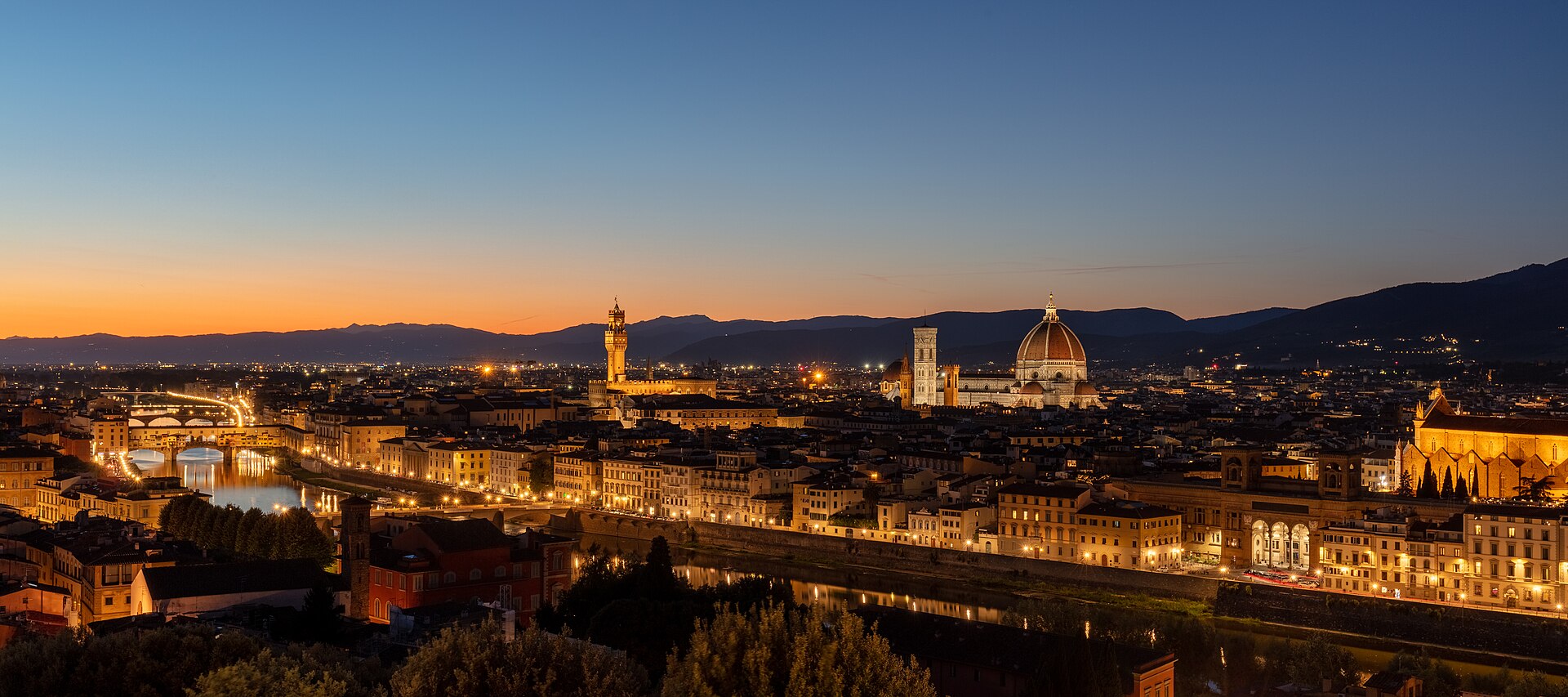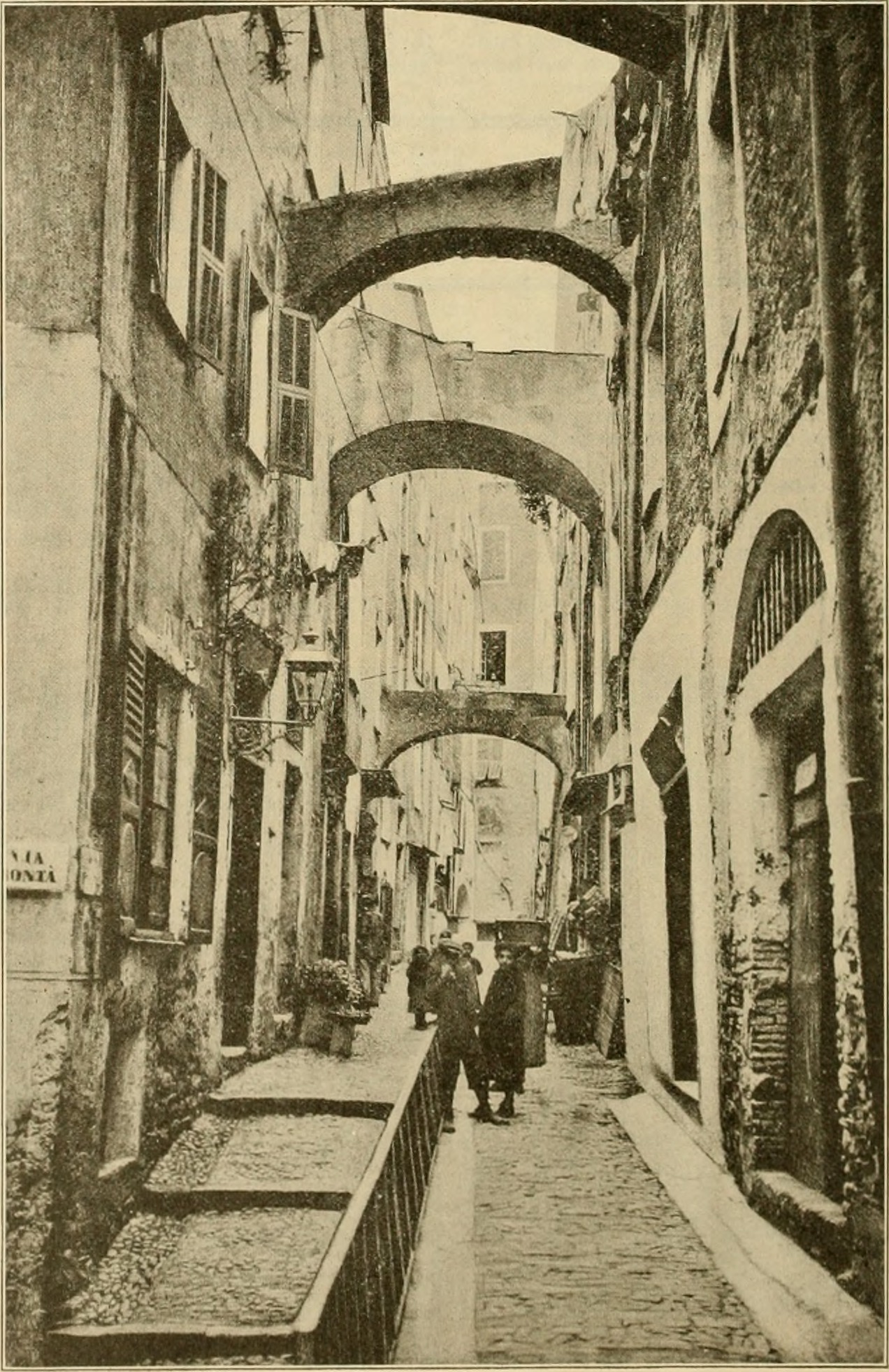
The Siena-and-San Gimignano day is the Tuscany trip inside the Florence trip and the day-tour category's perennial best-seller for cause: one coached day (typically 10-to-12 hours with hotel-area pickup) pairing the region's two perfect medieval survivors — Siena, Florence's great historical rival: the Piazza del Campo's shell-shaped slope (the world's most beautiful square by recurring vote — the nine-segment brick fan where the Palio runs its 90 lawless seconds each July and August; the Torre del Mangia's 400 steps crown it for the committed), the zebra-striped Duomo (Nicola Pisano's pulpit, the Piccolomini Library's Pinturicchio blaze, the floor's marble story-pavement unveiled in autumn — many rate the interior above Florence's), and the Gothic lanes' banking-city grandeur (Monte dei Paschi, the world's oldest bank, still headquartered in its fortress); and San Gimignano, the Manhattan of the Middle Ages: fourteen surviving tower-houses (of 72) spiking a walled hilltop over vineyard country — the towers were medieval billionaires' arms race, the skyline is the best-preserved urban Middle Ages in Europe, and the two-hour wander (the twin piazzas, the Collegiata's fresco bible, the ramparts' Vernaccia-vineyard views, the world-champion gelato claim at Dondoli) fits the town exactly. The tours' connective tissue varies by operator and ticket tier — most run a Tuscan lunch stop (farm estates with Chianti Classico tastings the common form; some pair Monteriggioni's ring-wall castle hamlet as a third stop — the fifteen-minute wonder whose crown of towers Dante name-checked) — and the format question answers itself honestly: the coach day trades depth for geometry (Siena gets 3-ish hours, San Gimignano 2) but the geometry is otherwise brutal (the two towns sit on different transit lines; DIY-ing both in one day is a rental-car-or-nothing proposition), making the guided day the right call for Florence-based travelers wanting Tuscany's greatest hits without driving Chianti's curves themselves. The craft: book the small-group tiers for the humane version, Palio weeks (early July, mid-August) make Siena glorious and jammed — know which you want, autumn runs the vineyard gold, and the Vernaccia-at-the-ramparts hour in San Gimignano is the day's keeper photo. Fit: first trips (this IS the Tuscany sampler), couples (the hill-town golden hours), families (towers and gelato carry kids), and the foodie chip when the lunch tier includes the tasting.
The two towns' history frames the day: Siena was Florence's equal — the Ghibelline banking rival whose 1260 Montaperti victory nearly erased Florence — until the 1348 plague broke its arc mid-cathedral-expansion (the Duomo's unfinished nave wall, the Facciatone, still stands as the stopped ambition; climb it on the OPA pass for the best Campo view), leaving the Gothic city frozen at its peak: the result is the finest medieval urban fabric in Italy, the Campo's nine-segment fan honoring the Nine's republican government, and the contrade (the seventeen neighborhood-clans whose flags, fountains and Palio feuds still run the city's actual social life — the guides' contrada stories are the tour's best material). San Gimignano's arc is the same plague-frozen miracle at village scale: the Via Francigena pilgrim-road wealth built the towers, the Black Death ended the race, and Florence's takeover mothballed the town into preservation — the Collegiata's complete fresco cycles (Ghirlandaio's Santa Fina chapel the jewel) and the Rocca's rampart views reward the town's two hours precisely.
The tour-craft detail
Morning order matters little (operators alternate; afternoon Siena gets better light on the Campo), the Campo's café tables run tourist-priced but buy the world's best square-sitting, Torre del Mangia or Facciatone climbs need the time-budget decision made early (both do not fit most tour windows), San Gimignano's Dondoli line moves fast (the gelato-world-champion claim is real enough), the Vernaccia is the town's own white (Michelangelo's documented preference — the tastings pour it), and Monteriggioni, when included, is the fifteen-minute castle-postcard between (the full ring wall, Dante's giants simile, the walkable rampart stretch). The booking craft: small-group beats coach on both towns' lane-scale, lunch-inclusive tiers simplify the farm-stop hour, and summer books out — reserve the week ahead minimum.
Practicals and fit
Full-day commitment (10-12 hours, Florence pickup zones), comfortable shoes (both towns are hills), Palio-week awareness, autumn gold season. Fit: first-time Florence stays of three-plus days (the city deserves two before Tuscany calls), couples, families with walking-age kids, and the wine-curious — the day converts them.
What to expect
The experience
A coached full day pairing Siena's shell-shaped Campo and striped Duomo with San Gimignano's fourteen-tower skyline — Tuscan farm lunch and tastings between on most tiers, Monteriggioni's ring wall on some.
Best time
Autumn for vineyard gold; Palio weeks (early July, mid-August) make Siena glorious and jammed — choose knowingly; summer departures book out a week-plus ahead.
How long
Ten to twelve hours, hotel-area pickup to drop.
Tips
Small-group tiers suit both towns' lane scale. Decide the Siena climb (Mangia tower or Facciatone) early — most windows fit one. Dondoli's world-champion gelato line in San Gimignano moves fast; join it.
Quick picks
- Best for
- First trips of three-plus days — the Tuscany sampler that completes Florence without renting a car.
- Families
- Towers, ramparts, gelato champions and farm lunches — the medieval day kids actually rank first.
- Couples
- The Campo at café-table pace and San Gimignano's rampart golden hour — Tuscany's postcard day.
- Pair with
- Nothing same-day — it IS the day; the Chianti wine tour covers the deeper tasting itinerary separately.
- Time needed
- One committed full day.
Good questions
Why a tour instead of DIY?+
Geometry — the two towns sit on different transit lines and DIY-ing both in a day is a rental-car proposition through Chianti's curves; the coached day solves it with a farm lunch thrown in.
What makes Siena special?+
Florence's plague-frozen rival at its Gothic peak — the shell-shaped Campo where the Palio runs, the striped Duomo many rate above Florence's inside, and the contrada culture the guides unpack best.
And San Gimignano?+
The Manhattan of the Middle Ages — fourteen surviving tower-houses of 72 over vineyard country, the best-preserved medieval skyline in Europe, sized exactly to its two-hour stop.
Is the lunch worth the tier?+
The farm-estate stops with Chianti Classico or Vernaccia tastings are the day's connective charm — lunch-inclusive tiers simplify the hour and the pours convert the wine-curious.
When should we avoid or target the Palio?+
The races run early July and mid-August — Siena at its most alive and most jammed; target it for the spectacle knowingly or skip those weeks for the Campo at café pace.