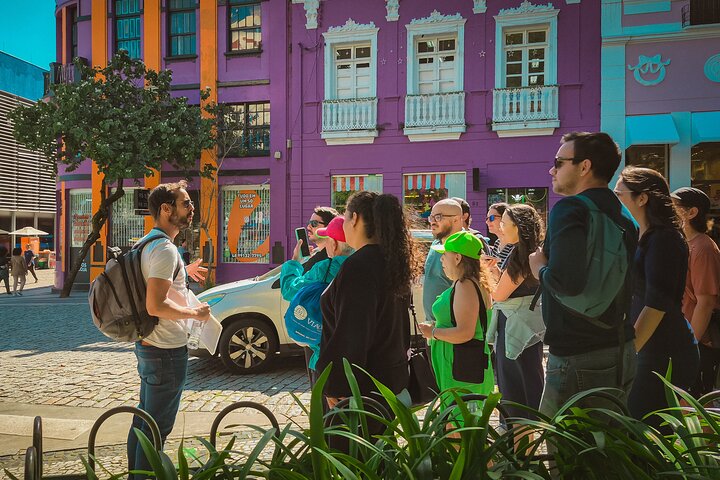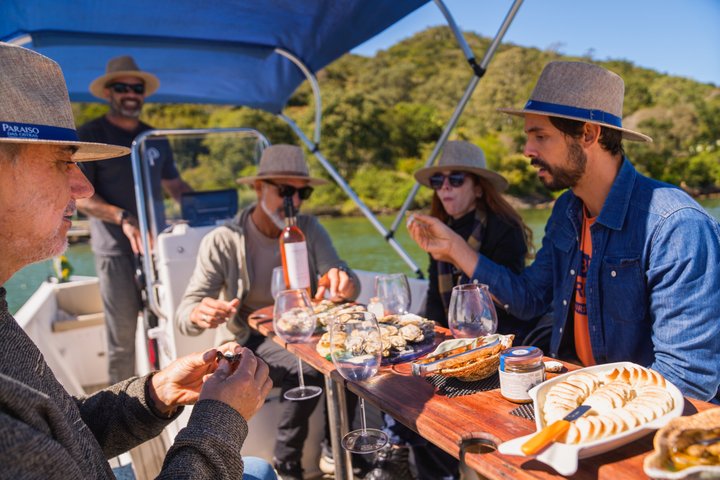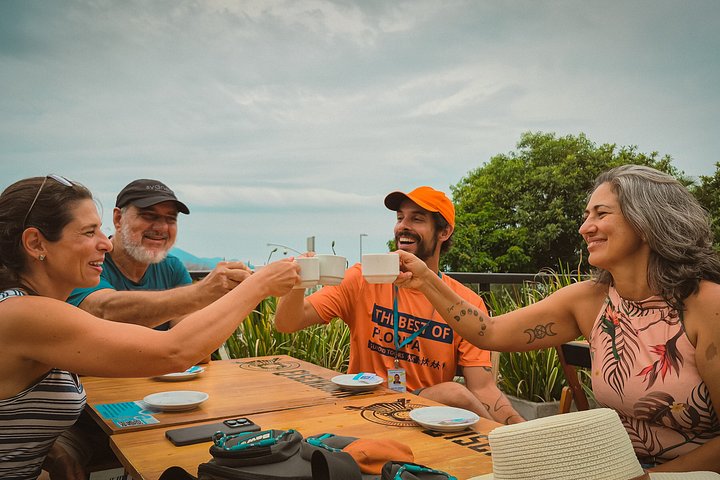
Florianópolis eats seafood the way few Brazilian cities do. Oysters, shrimp, fish stews, fried bait fish and fresh mullet all have their place in the local diet, and the island has a food culture that blends Azorean traditions with Brazilian flavours. A food walking tour is the quickest way to taste several of these in one outing without having to guess which restaurants are worth your time. Tours of this kind usually meet in the central district and visit a handful of stops over a few hours. Expect a mix of market counters, small restaurants, bakeries or street-food spots, with a guide who explains what you are eating and why it matters. Typical tastes may include savoury pastries, cheese bread, coffee, seafood bites, a local sweet and a drink such as a caipirinha or a craft beer, though the exact menu changes by operator. The story told along the way is as important as the food. Guides talk about Azorean migrants who brought fishing methods and recipes in the eighteenth century, the role of the tainha mullet run in winter, and how oyster farming turned the south of the island into a gastronomic destination. You also get honest advice on where to eat later, which is useful in a city with hundreds of restaurants of very mixed quality.
Come hungry but not starving, because portions add up quickly and the pace is relaxed. Tell the operator in advance about allergies and dietary needs. Shellfish features heavily in the local diet, so vegetarians and people with shellfish allergies should confirm the menu and ask what can be swapped, as options vary between operators.
Mornings and afternoons both work, though many people choose a late-morning departure that blends into lunch. Wear comfortable shoes and bring a small bag for leaflets and leftovers. The route is mostly flat and walkable, with short stops at each tasting. Alcohol is often included or offered as an option, so check whether it is covered and whether a non-alcoholic alternative is available.
Tipping is not required but is appreciated when the guide has been generous with time and recommendations. If you enjoy a place, ask the guide for the dish names so you can order it again by name. This is also a good way to practise a few Portuguese food words before heading into the beach neighbourhoods, where menus can be Portuguese only.
Because the tour is aimed at tasting rather than a full meal, plan a lighter dinner or save room for a seafood sequence later in your stay. Pair it with a visit to an oyster farm, a lagoon-side lunch or a cooking class to build a full picture of the island's cuisine.
A few Portuguese phrases help at the stalls and counters. Learn the words for oyster (ostra), shrimp (camarão), fish (peixe), cheese bread (pão de queijo) and the bill (a conta, por favor). Guides usually translate, but small touches are appreciated, and you will use the same words at beach restaurants later in your stay.
Finally, keep an open mind about unfamiliar items. Local cooks use manioc flour, dried shrimp, cured fish roe and sweet-salty combinations that surprise visitors, and the guide's explanations turn a strange bite into a favourite.
What to expect
The experience
A guided tasting walk through central Florianópolis with several food and drink stops.
Best time
Late morning, so the tastings double as lunch.
How long
Three to four hours at an easy pace.
Tips
Mention allergies when you book, and note that seafood features on many menus.
Quick picks
- Best for
- Food lovers who want the local flavours without researching restaurants.
- Families
- Possible with older children who enjoy trying new foods, though alcohol is part of some stops.
- Couples
- A shared tasting is a relaxed way to spend an afternoon together.
- Pair with
- The historic centre walk or an oyster farm trip.
- Time needed
- Half a day.
Good questions
Does the tour replace lunch?+
For most people yes, as the tastings add up to a full meal. Confirm portions with the operator.
Can vegetarians join?+
Often with some swaps, but seafood is central to the cuisine, so ask in advance.
Are drinks included?+
Usually at least one drink is included. Check whether alcohol is optional.
Is it a lot of walking?+
No. The route is short and mostly flat, with long stops.
What is the local speciality?+
Seafood, especially oysters and shrimp, plus the winter mullet run and Azorean-influenced dishes.