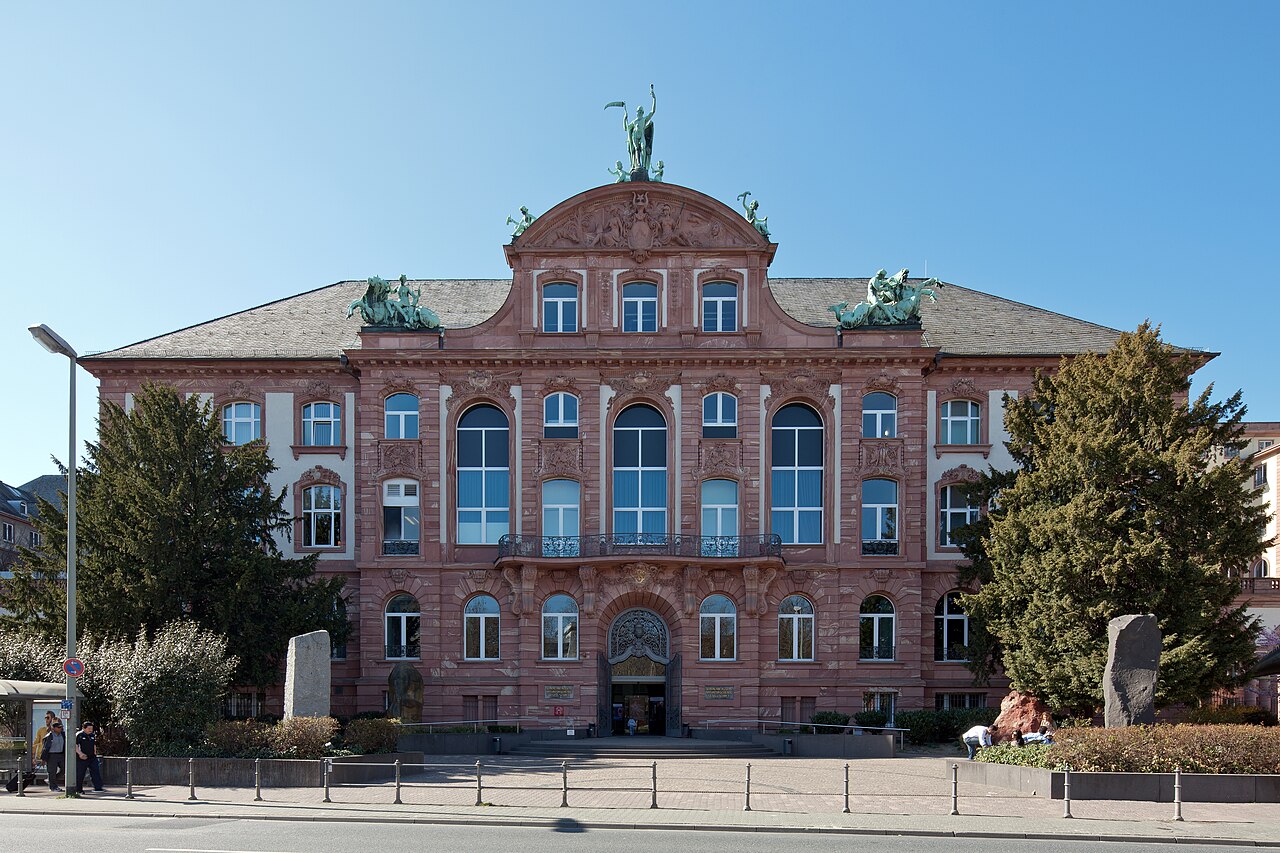
The Städel was founded in 1815 by the banker Johann Friedrich Städel, and it has grown into one of Germany's most important art museums. The collection runs from the early fourteenth century to the present day, so a single visit takes you from Italian Renaissance panels through Dutch masters and French Impressionism to German Expressionism and the art of today. Highlights include Vermeer's The Geographer, works by Botticelli and Rembrandt, Monet, Picasso and Beckmann, and the quieter rooms hold plenty more to discover. An underground extension, the garden halls, houses contemporary art beneath a lawn of skylights. The museum stands on Schaumainkai, the heart of the Museumsufer, a short walk from the river and from Sachsenhausen. The booking page offered here pairs skip-the-line Städel entry with a city tour, which suits first-timers who want context, and the museum also sells its own tickets online if you prefer to explore alone at your own pace.
What to look for
The Städel is generous but manageable. Start with the Old Masters, where the Italian and Dutch rooms hold the best-loved pictures, then move through the nineteenth century, where Monet and his circle sit alongside German Romantics. The Beckmann and Expressionist rooms are a particular strength, reflecting Frankfurt's role in modern German art. Finish in the garden halls, whose contemporary shows change regularly. Two special exhibitions run into January 2027: an installation by Elmgreen and Dragset, and a major show on Mary Magdalene that closes on 17 January 2027.
Planning your visit
The museum is closed on Mondays and opens from ten in the morning until six in the evening on most days, with a late Thursday until nine. A standard adult ticket costs under twenty euros, children under twelve enter free, and every Tuesday between three and six in the afternoon there is a much cheaper slot for the permanent collection and the exhibitions. Major exhibitions with international loans use their own flexible tickets that are sold online only, and they are excluded from the MuseumsuferCard, so check which ticket suits you before you arrive.
Making the most of it
Two hours is enough for the highlights and three is comfortable, and the cafe and shop make a good pause. Pair the Städel with a stroll along the Museumsufer, a look at the Liebieghaus sculpture collection next door, or an apple wine in Sachsenhausen afterwards. If the weather is poor this is the best use of a Frankfurt afternoon, and if you are travelling with older children the audio guide and family programmes help.
What to expect
The experience
A self-paced walk through chronological galleries, from early Italian panels to contemporary art, with optional audio guides and a changing programme of exhibitions.
Best time
Weekday mornings are calmest, and Thursday evening or the Tuesday afternoon slot are good for a quieter, cheaper visit.
How long
Two hours for the highlights, three if you add a special exhibition or the garden halls.
Tips
Check which ticket applies to special exhibitions, remember that Monday is closed, and ask about the audio guide at the desk.
Quick picks
- Best for
- Art lovers and anyone who wants a world-class collection without the crowds of the biggest capitals.
- Families
- Children under twelve are free and there are family programmes, though younger children may last only an hour in the galleries.
- Couples
- Browse the galleries, then walk the river bank and have dinner in Sachsenhausen.
- Pair with
- The Museumsufer riverfront, the Liebieghaus sculptures and an apple wine in Sachsenhausen.
- Time needed
- Two to three hours.
Good questions
Which days is the Städel open?+
It is open Tuesday, Wednesday and Friday to Sunday from ten until six, with a late Thursday until nine, and it is closed on Mondays. Check the museum's website for holiday changes.
How much are tickets?+
A standard adult ticket costs under twenty euros, with reduced prices for students and others, and children under twelve are free. On Tuesdays between three and six in the afternoon there is a much cheaper slot.
Are special exhibitions included?+
Most are included in the standard ticket, but major shows with international loans, such as the Mary Magdalene exhibition, use separate flexible tickets and are excluded from the MuseumsuferCard. Check the website before you buy.
What are the must-see pictures?+
Vermeer's The Geographer, the Botticelli and Rembrandt rooms, and the Monet, Picasso and Beckmann galleries are the highlights. The garden halls add contemporary work.
Is it worth a city tour combination?+
A guided city tour with skip-the-line entry suits first-timers who want context and a shorter route through the collection. Independent visitors can simply buy a ticket and use the audio guide.