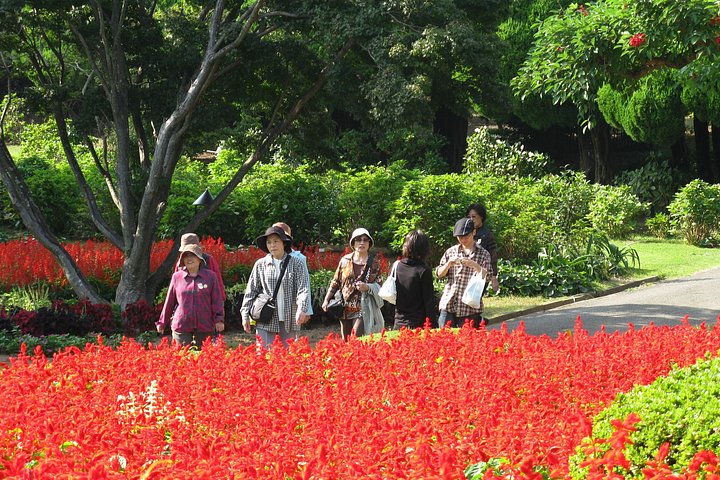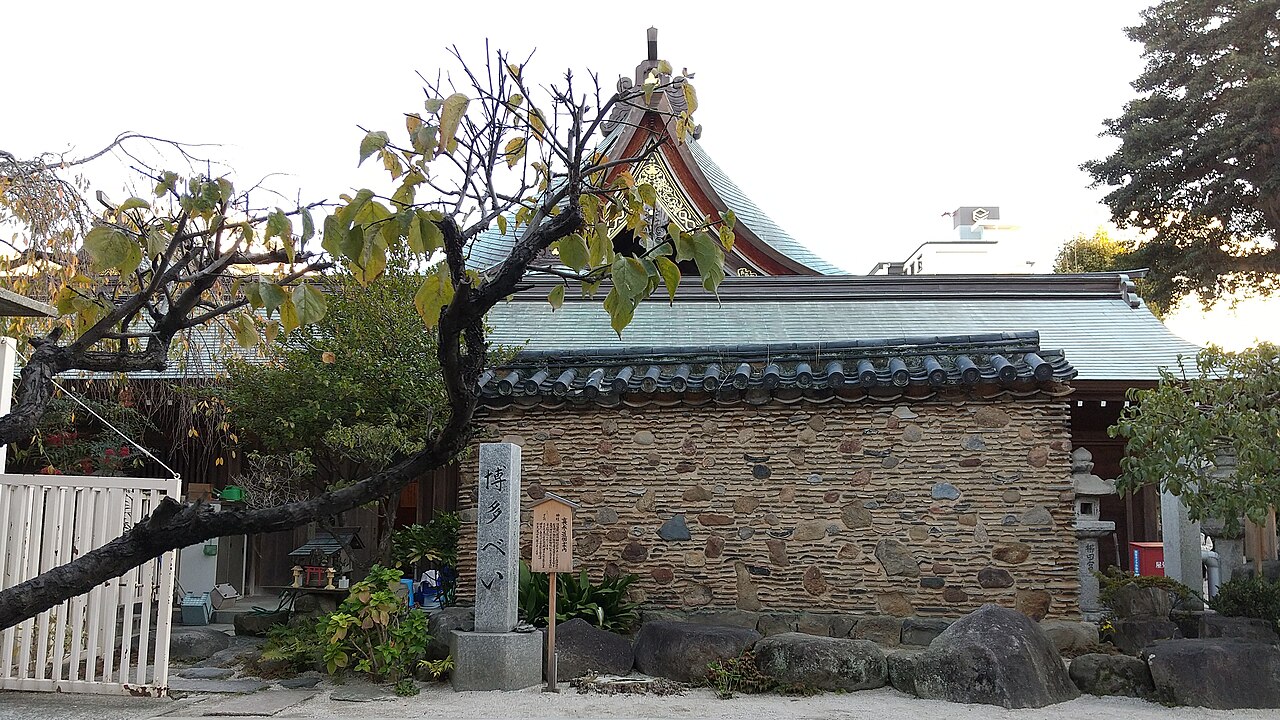
Kushida Shrine is the spiritual heart of old Hakata, a compact Shinto shrine that locals simply call Okushida-san. It stands a short walk from Canal City and the river, so it is the easiest cultural stop in the middle of the city. The grounds are best known for the Hakata Gion Yamakasa festival, which is dedicated to this shrine and held each July, when teams of men race massive festival floats through the streets at dawn. Outside the festival, decorated yamakasa floats, some towering up to thirteen metres, are displayed at the shrine for most of the year, except during June when preparations begin. A very old ginkgo tree, said to be more than a thousand years old and protected as a cultural property of the prefecture, stands near the entrance and gives the grounds a quiet, ancient feel. Entering costs nothing and the shrine is open from the early morning to late evening.
The shrine is the focal point for several of Hakata's traditions. Yamakasa is the big one, with the climactic race held at dawn in mid-July, but the display floats let visitors see the craft and scale of the festival at any other time. The elaborate decorations show warriors and scenes from history and legend, and there are also smaller models you can study up close. Seasonal touches include early-blooming cherry trees on the grounds in late winter, and the ginkgo turns gold in late autumn, which makes November a lovely time for a visit.
Visiting is straightforward. The shrine is open from very early in the morning until the evening with no closing days, and entry is free. Follow the usual Shinto manners: bow lightly at the gate, rinse your hands at the water basin, toss a coin, bow twice, clap twice and bow once more before leaving. The staff office keeps shorter hours than the grounds, so if you want a charm or a stamp book entry, go during the day. Be quiet near people who are praying, and ask before photographing anyone.
Getting there and pairing it
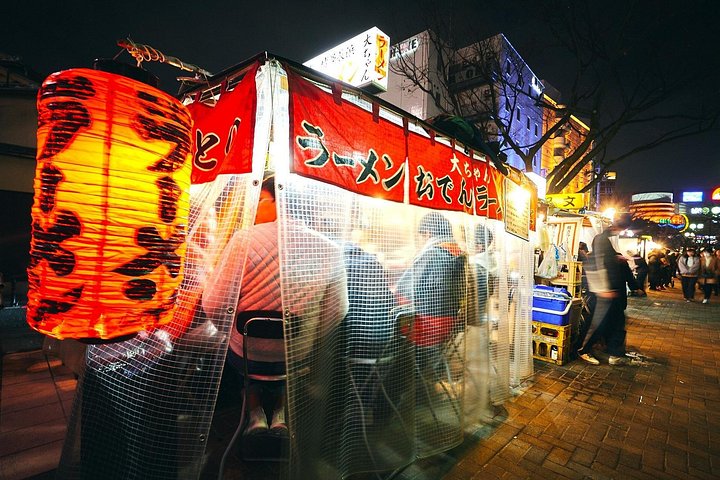
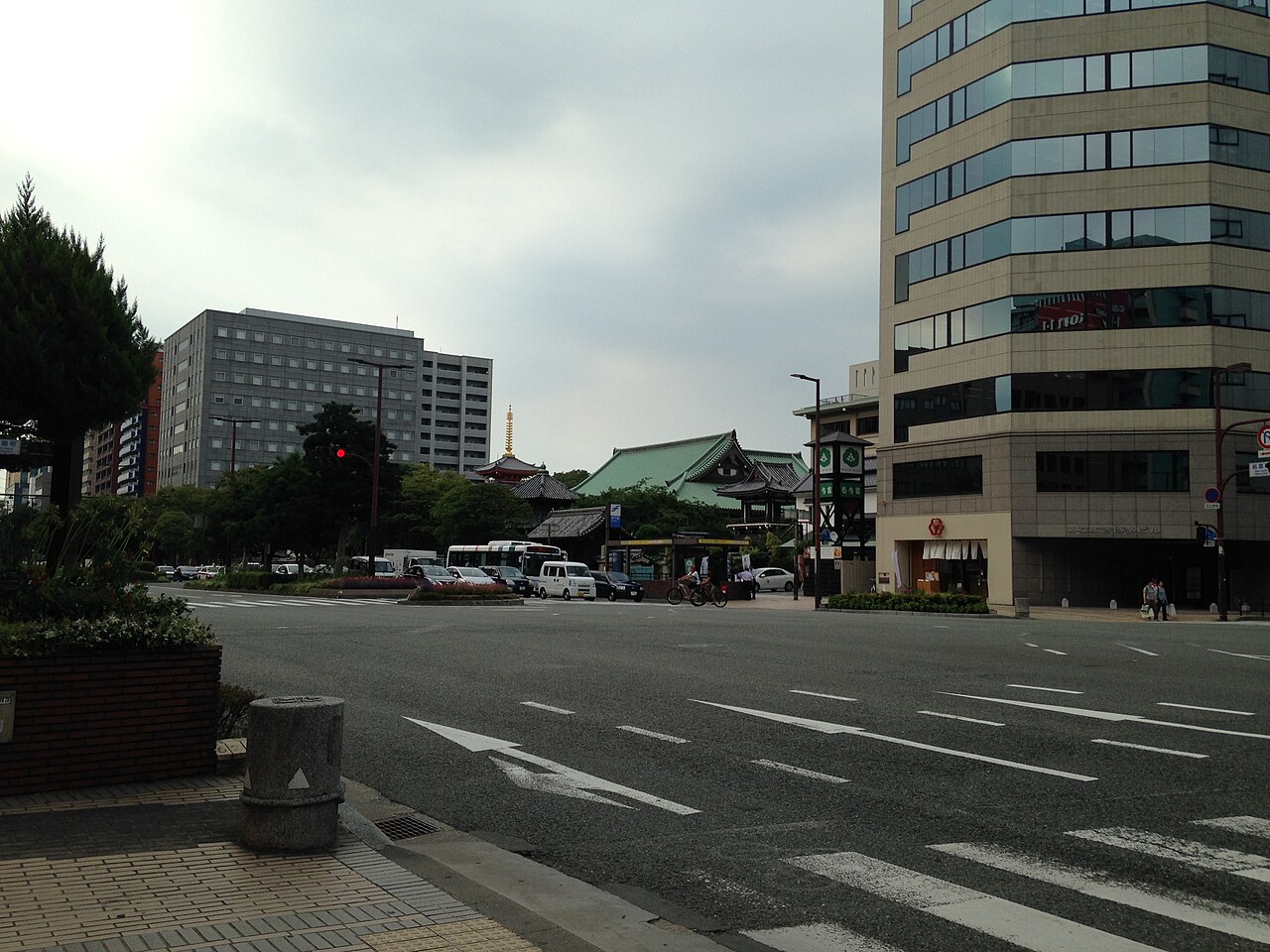
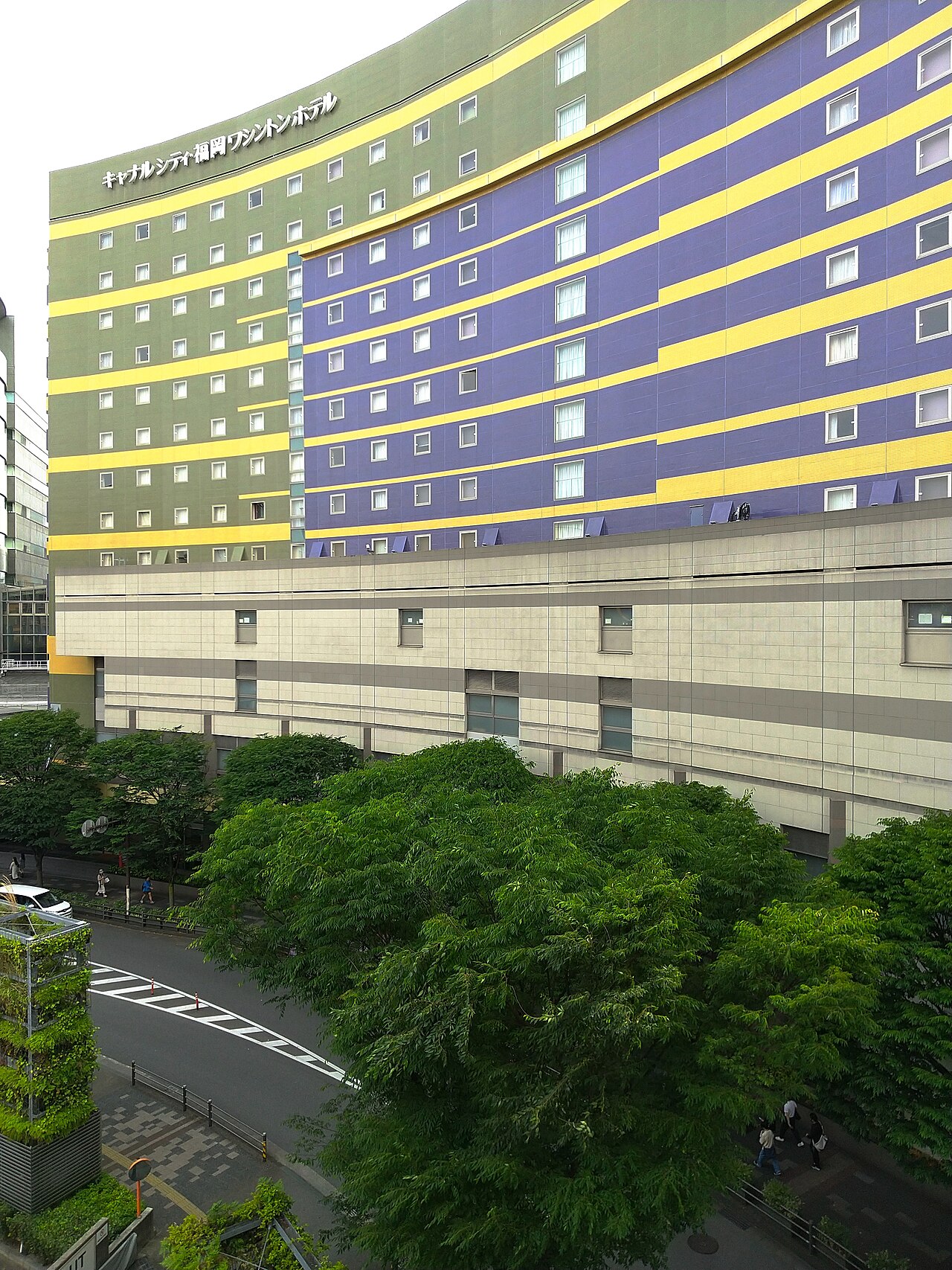
It is about a five-minute walk from Gion Station or Nakasu-Kawabata Station on the subway, and a similar walk from the Canal City bus stop. That puts it beside Canal City, the Kawabata shopping arcade and the river, so it fits neatly into a morning or evening walk. A good half-day loop combines Kushida Shrine, Tochoji Temple near Gion Station, a ramen lunch and the stalls of Nakasu at dusk. Allow thirty to forty-five minutes for the shrine itself, longer if you want to read about the floats.
What to expect
The experience
A short self-guided visit to a neighbourhood shrine with a hall, a giant ginkgo and display floats from the Yamakasa festival.
Best time
Early morning for quiet, or late afternoon when the light softens and Nakasu begins to wake up; late November for golden ginkgo leaves.
How long
About thirty to forty-five minutes.
Tips
Bow at the gate, rinse your hands, keep voices low, and note that the staff office keeps shorter hours than the grounds.
Quick picks
- Best for
- A free, easy cultural stop in the centre of Fukuoka that shows old Hakata at street level.
- Families
- Free, short and close to Canal City, so easy to fit between meals, and kids often like the huge floats.
- Couples
- A calm start before wandering the river and Nakasu at dusk.
- Pair with
- Canal City Hakata, Tochoji Temple and the yatai stalls at Nakasu.
- Time needed
- Allow about forty minutes.
Good questions
Is Kushida Shrine free to enter?+
Yes, visiting the grounds costs nothing. Charms and stamps are sold at the shrine office during the day.
What are the opening hours?+
The grounds open very early in the morning and close in the evening, with no regular closing days. The shrine office keeps shorter daytime hours.
When is the Yamakasa festival?+
The Hakata Gion Yamakasa festival takes place in July, with the main race at dawn in the middle of the month. Display floats can be seen at the shrine for most of the rest of the year.
How old is the ginkgo tree?+
It is said to be more than a thousand years old and is protected as a cultural property of the prefecture. It stands near the entrance and is golden in late autumn.
How do I get there?+
It is a short walk from Gion Station or Nakasu-Kawabata Station on the subway, and from the Canal City bus stop. Walking from Hakata Station takes roughly fifteen minutes.