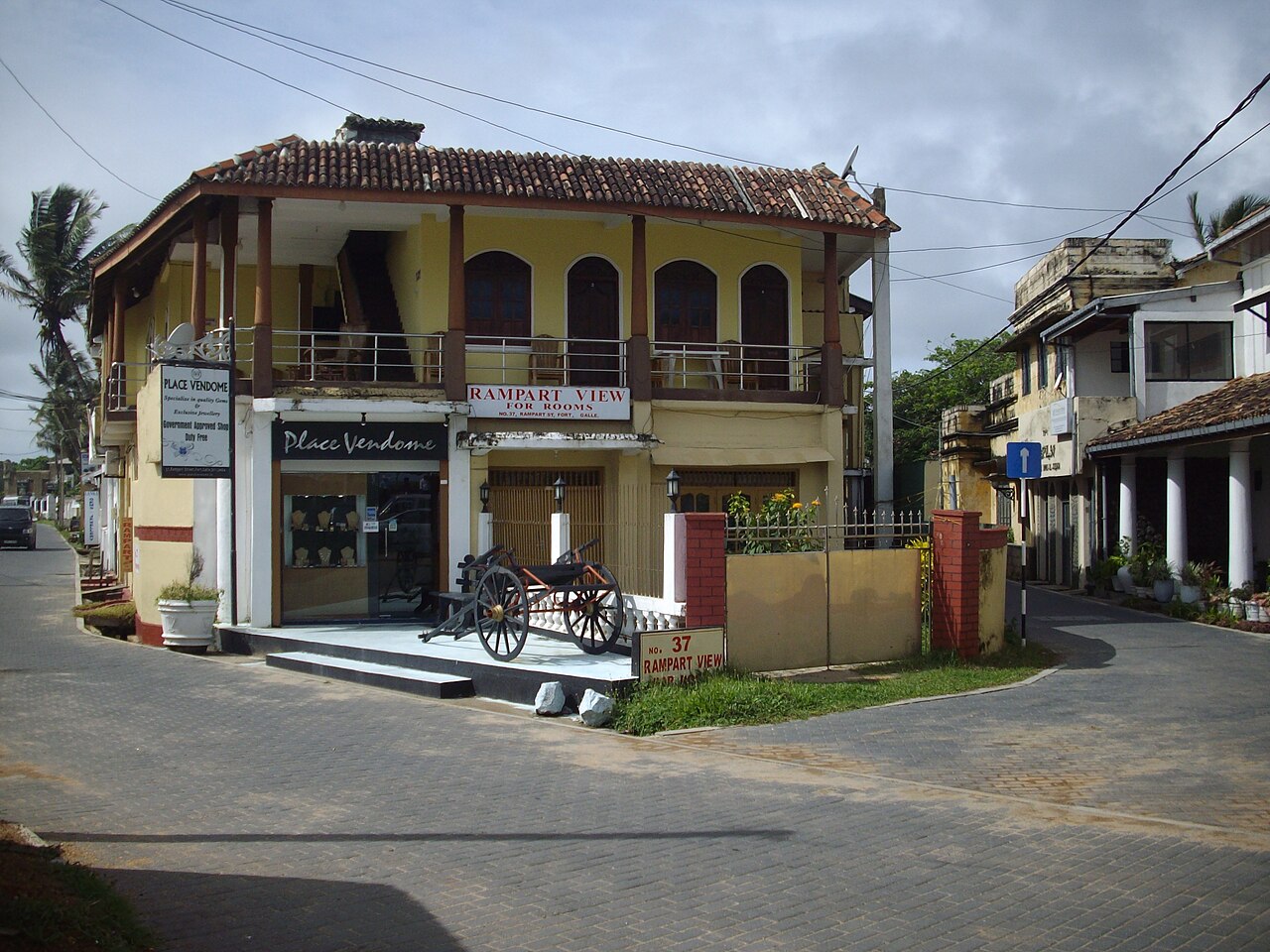
Galle Fort is the reason most travellers come to this stretch of coast, and it rewards the visit more than almost any other walled town in Asia because people still live, pray, teach and run shops inside it. The Portuguese first fortified the headland in the late sixteenth century, the Dutch captured it in 1640 and spent the following decades rebuilding it in coral and granite, and the British who followed left a clock tower, churches and civic buildings that still sit comfortably among the Dutch gables. The whole old town is inscribed as a UNESCO World Heritage Site, and the walls have faced the Indian Ocean for centuries without losing their shape. The classic way to see it is simply to climb a ramp onto the ramparts and walk. The circuit runs for a couple of kilometres around the headland, passing bastions with Dutch names, the white lighthouse at the southern tip, the Flag Rock bastion where local boys dive into the sea for tips at sunset, and long stretches where the wall looks down on fishing boats, cricket games and the surf breaking on black rock. Drop down into the lanes and you find the Dutch Reformed Church with its old gravestones, the clock tower, mosques and Buddhist temples a short walk apart, and streets such as Church Street and Pedlar Street lined with boutique hotels, galleries, jewellers, bookshops and cafes in restored merchant houses. Because the fort is a town rather than a museum, the best experience is unstructured. Go early, when the light is soft and the ramparts are quiet, then return before sunset, when the walls fill with families, couples and kite flyers. Walking the fort is free; a few individual museums and some private galleries charge their own small fees.
How to do it
There is no ticket for the streets or the walls, so you can come and go as often as you like. Most visitors park or are dropped near the main gate by the old harbour road and walk in. The lanes are short and flat, and a full loop of the ramparts at a slow pace takes about an hour, though it is easy to spend half a day once you stop at cafes, shops and viewpoints. Wear a hat and carry water, because the stone gets hot by late morning.
What to expect
The atmosphere changes by time of day. Mornings belong to schoolchildren, shopkeepers opening shutters and the occasional wedding photoshoot. Midday is hot and quiet, a good time for a museum, a lunch in a shaded courtyard or a rest at your hotel. From mid-afternoon the ramparts fill up, and at sunset the lighthouse and Flag Rock section is the busiest spot in town. Respect the fact that people live here: keep voices down in residential lanes, ask before photographing people, and dress modestly when you step into a mosque or temple.
Making the most of it
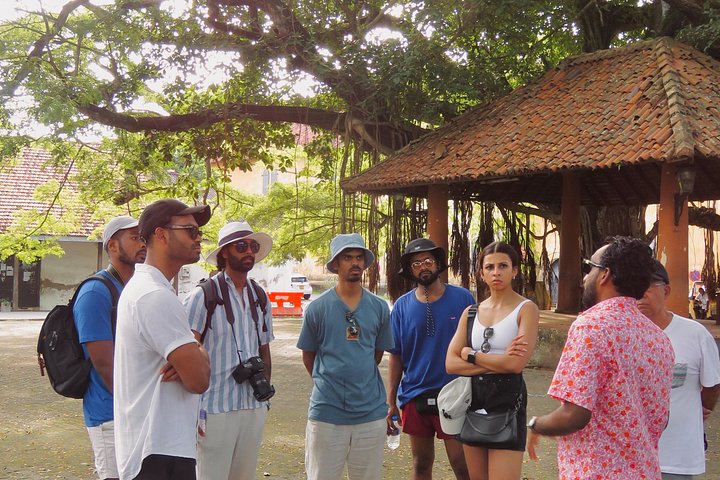
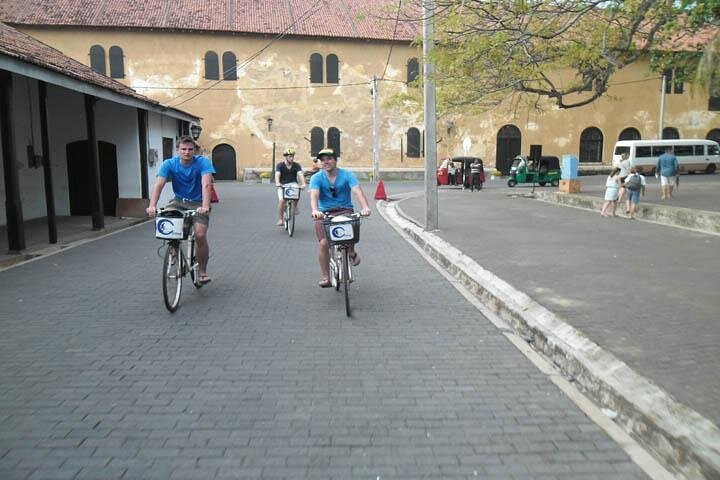
Pair the free walk with one guided or themed experience, such as a heritage walk, a cycling loop or a cooking class, so the buildings and street names come with stories. The monsoon months can bring heavy rain and big surf that sends spray over the sea-facing walls, which is dramatic but slippery. If you can, stay a night or two inside the walls so you see the fort in the empty hours, when it feels most like the colonial port it once was.
What to expect
The experience
A free self-guided walk along the ramparts and through the lanes of a living walled town, at your own pace.
Best time
Early morning for cool light and quiet, or late afternoon through sunset for atmosphere.
How long
About an hour for the ramparts; half a day if you add lanes, cafes and a museum.
Tips
Carry water and a hat, wear shoes that grip on worn stone, and dress modestly when entering religious buildings.
Quick picks
- Best for
- Anyone arriving on the south coast, since the fort is the anchor sight and costs nothing to enjoy.
- Families
- Children enjoy running the wide ramparts and watching the sea; keep a hand on small ones near unfenced drops.
- Couples
- Walk the southern ramparts toward the lighthouse as the sun sets, then dine in one of the courtyard restaurants.
- Pair with
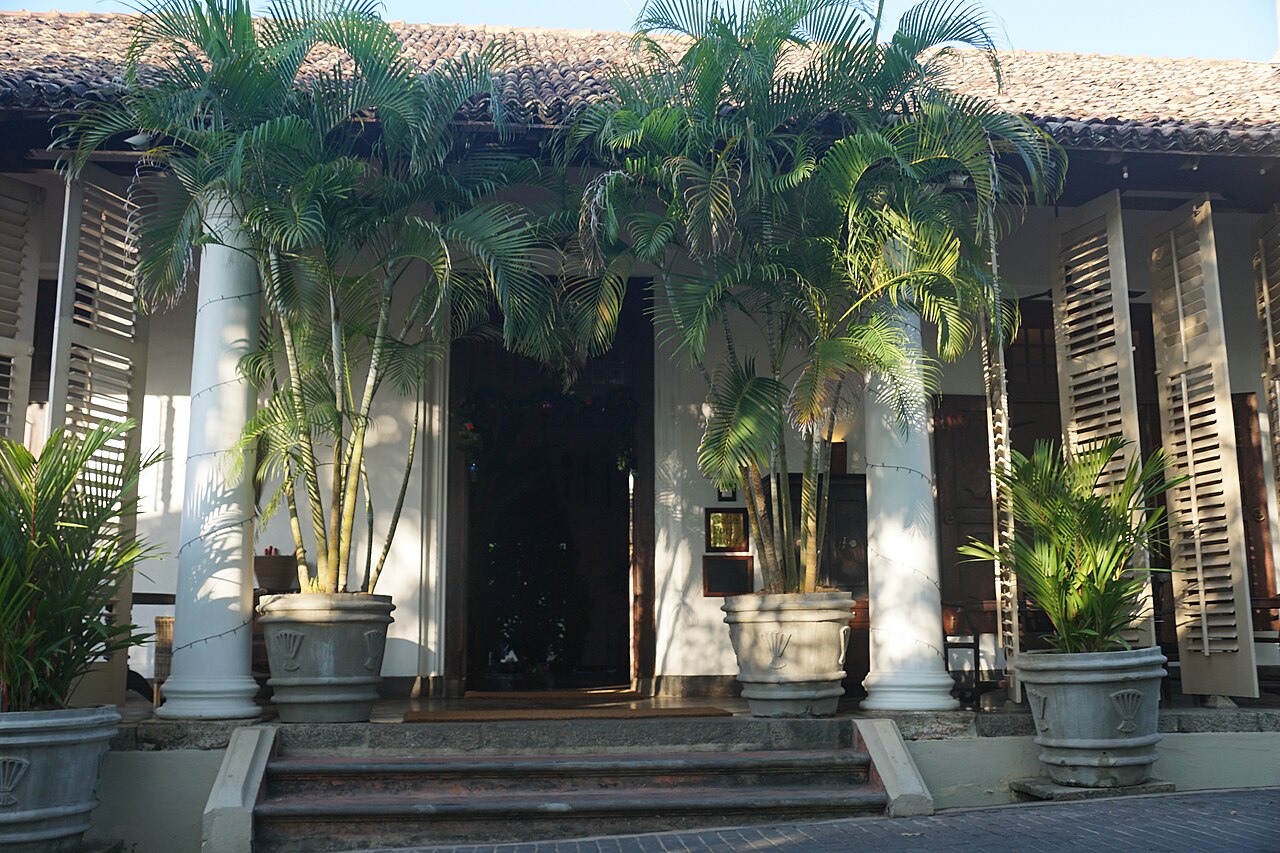
- A heritage walk or cycling tour in the morning and a stay at The Galle Fort Hotel or Secret Garden Fort.
- Time needed
- One to four hours, or a full day with meals and shopping.
Good questions
Is Galle Fort free to enter?+
Yes. The gates, lanes and ramparts are open to walk without a ticket. A few museums, galleries and private attractions inside the walls charge their own small fees.
How long does it take to walk the ramparts?+
A relaxed circuit takes about an hour. Allow longer if you stop for photographs, shops and cafes along the way.
When is the best time to visit Galle Fort?+
Early morning and late afternoon are best for light and cooler temperatures. The south coast is generally driest and calmest from about December to March.
Do people really live inside the fort?+
Yes. Families, schools, mosques, temples and churches share the lanes with hotels and shops, so treat it as a neighbourhood and not an open-air museum.
What should I wear in the fort?+
Light, breathable clothing, a hat and sun protection for the ramparts. Cover shoulders and knees and carry something to remove your shoes for mosques and temples.