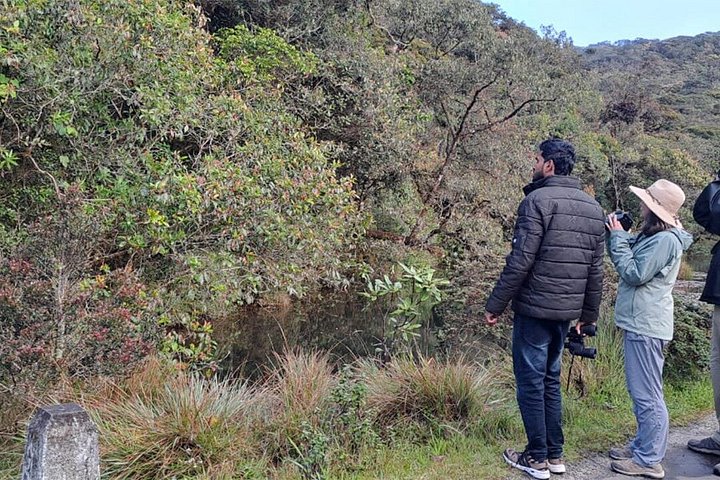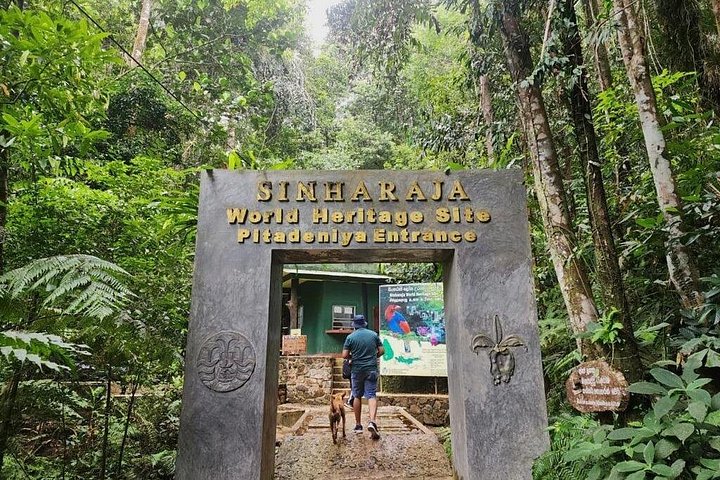
Sinharaja is the largest remaining area of primary tropical rainforest in Sri Lanka, and it holds a remarkable share of the island’s endemic plants, birds, butterflies, amphibians and mammals. Recognised as a UNESCO World Heritage Site and a biosphere reserve, the forest covers hills and ridges in the wet zone inland from the south coast, and its name is usually translated as lion kingdom. For anyone who has spent a few days on the beach, it is a striking change: cool, dim, dripping and loud with insects and birdsong. A guided day tour brings you into the forest by road from the coast, usually in the early morning, and walks you along trails with a local naturalist or forest guide. The walking is slow, with frequent stops to look at orchids, ferns, giant buttressed trees, strangler figs and the streams that cross the path. Birdwatchers hope for mixed-species flocks that include endemic birds such as the Sri Lanka blue magpie and the red-faced malkoha, and other wildlife may include purple-faced langurs, giant squirrels, snakes, lizards and frogs. Bring patience, because the forest rewards quiet observation more than speed. You should expect leeches, particularly after rain, and a humid, muddy walk. Guides will usually supply leech socks or advice, and a few bites are part of the experience. For serious nature lovers this is one of the most important days of a Sri Lankan trip.
How it works
The tour is booked in advance and normally includes transport from the Galle, Unawatuna, Mirissa or Bentota area, a licensed guide and park entry. Check the product details for the pickup points, group size, inclusions, lunch and total hours. Distances are considerable, so expect an early start and a long day.
What to expect
A drive of a couple of hours each way, followed by two to four hours on foot. Trails can be steep, wet and slippery, and rain is common in any month. Wear long trousers tucked into socks, closed shoes with grip, a light rain jacket and a hat. Insect repellent, leech socks, a small daypack, water and snacks are useful. Binoculars and a camera with a decent zoom help if you are interested in birds, and a waterproof cover is a good idea.
Making the most of it
The drier months, roughly January to April and July to September, tend to bring slightly less rain, but the forest is wet year-round, so do not expect completely dry trails. Ask your guide about the best trails for birds and about the local community, and consider tipping them generously, as guiding is a livelihood for many villagers. If you plan to see the forest properly, consider an overnight stay in a nearby lodge for a dawn walk. Avoid noisy behaviour, never leave litter and stay on the paths.
Practical extras
The forest has several entrances, and your driver-guide will choose one according to your interests and the season. Lunch is often a simple rice-and-curry at a village restaurant near the gate, and it is worth asking whether vegetarian options are available. Keep your camera in a sealed bag, since humidity can fog lenses, and carry a spare dry T-shirt in the vehicle for the ride home. Allow the guide to set the pace, because the best sightings often come when the group stops and listens.
What to expect
The experience
A guided day trip to Sinharaja Forest Reserve with trail walks, endemic birds and rainforest scenery.
Best time
Early morning for birds; the drier months bring somewhat less rain, but it can rain at any time.
How long
A full day, including a long drive each way.
Tips
Wear long trousers, grippy shoes and a rain jacket, and use leech socks and repellent.
Quick picks
- Best for
- Nature lovers and birdwatchers who want a day in real rainforest.
- Families
- Suitable for fit older children who do not mind mud and leeches.
- Couples
- A shared adventure that contrasts nicely with beach days.
- Pair with
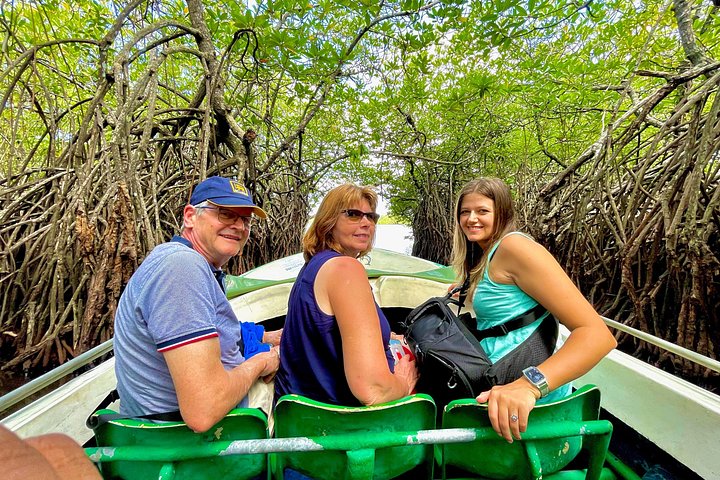
- A Madu River safari or an overnight stay near the forest edge.
- Time needed
- A full day.
Good questions
Will I see leeches?+
Likely, especially after rain. Leech socks, long trousers and repellent reduce bites, which are painless and harmless.
What wildlife might I see?+
Endemic birds, butterflies, frogs, lizards and mammals such as purple-faced langurs. Sightings vary and are never guaranteed.
How far is Sinharaja from Galle?+
Roughly two to three hours by road each way, depending on traffic and the entrance used.
Is the walk difficult?+
Trails can be steep and slippery. A moderate level of fitness helps.
What should I bring?+
Closed shoes, long trousers, a rain jacket, repellent, water, snacks and binoculars if you have them.