The Garden Route is not one place but a strip of coast and a handful of towns, strung along the N2 highway between Mossel Bay in the west and the Tsitsikamma forests in the east. Forest, lagoon, mountains and ocean all sit close together, so even a short trip feels varied. Here is how to plan it, assuming you start and finish at George or arrive from Cape Town, which has its own guide on this network.
Hire a car
Public transport between towns is limited, and nearly everything worth seeing is a short drive off the main road. A hire car gives you the freedom to stop at viewpoints, beaches and small villages. Roads are good, but distances add up, so allow more driving time than the map suggests and avoid driving long distances after dark.
How many days
Four days is a minimum for a rewarding loop, five to seven is comfortable, and ten lets you add the hiking and the quieter corners. Many visitors spread their nights between two or three bases rather than moving every day. A good pattern is a night or two at Wilderness or Knysna, a night or two at Plettenberg Bay and a night in Storms River, with an extra night in Oudtshoorn if you want the caves and the ostrich farms.
The headline sights
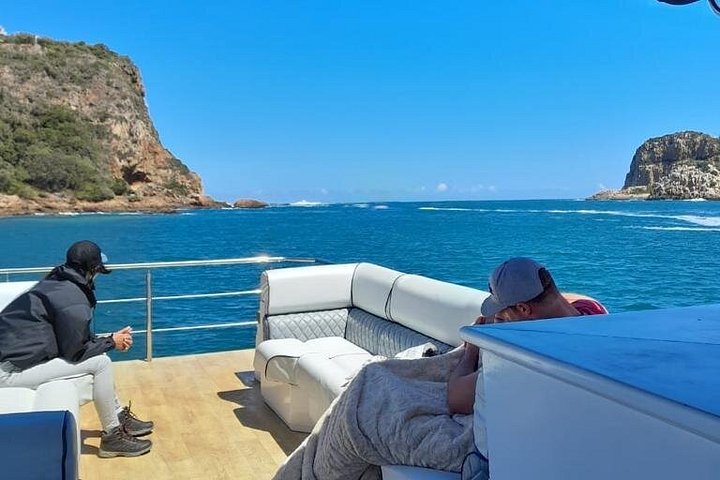
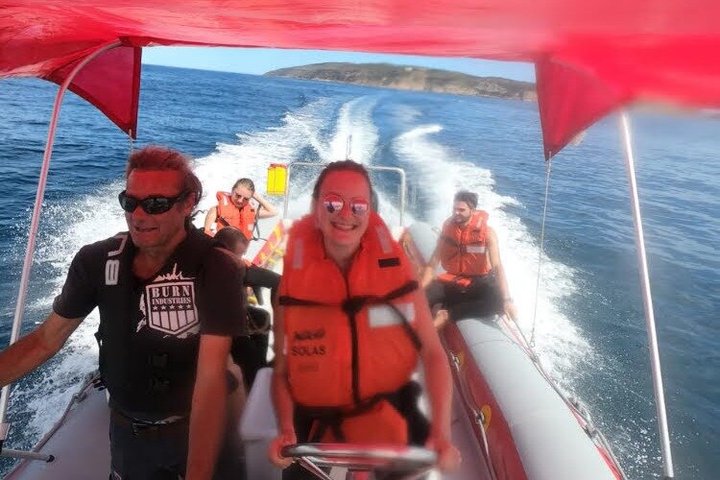
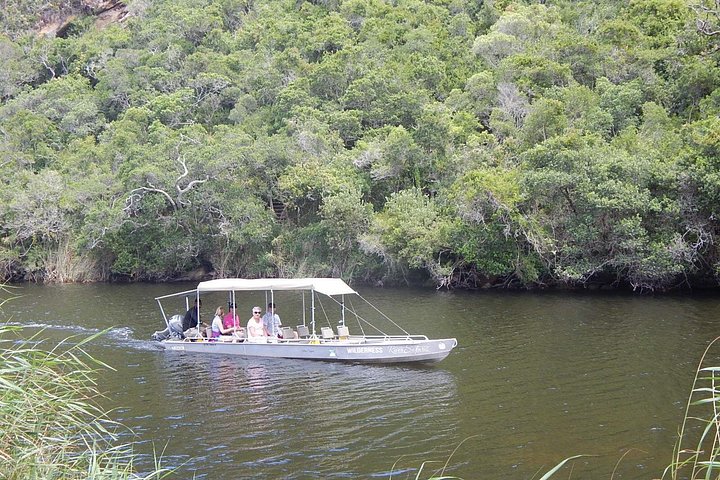
In the west, Mossel Bay has the Bartolomeu Dias Museum Complex and its caravel replica, and Wilderness has the Touw River cruise through the national park. Knysna is built around its lagoon, and the Heads cruise is the classic way to see it. Plettenberg Bay has Robberg Nature Reserve for walking and seals, and a boat trip to swim with the seals. In the east, Tsitsikamma National Park, the canopy zipline tour and the Bloukrans Bridge bungy make up the adventure end of the route. Inland, over the Outeniqua mountains, Oudtshoorn has the Cango Caves and the ostrich farms, and it is worth the detour.
What to book ahead
In the December holidays and at Easter, accommodation and the popular activities fill up, so book rooms well ahead and lock in the canopy tour, the seal swim and any bungy jump a few days early. The Otter Trail in Tsitsikamma needs booking far in advance. Outside the holidays you can be more flexible, and last-minute availability is usually fine.
Weather and timing
The Garden Route gets rain through the year, so pack a waterproof layer whatever the month, and plan flexible days for wind and weather. Summer is warm and busy, while winter is mild, quieter and good for whale watching, which the Mossel Bay museum notes can be seen from the shore from June to November. Inland Oudtshoorn is hotter in summer and colder at night in winter.
Check current conditions
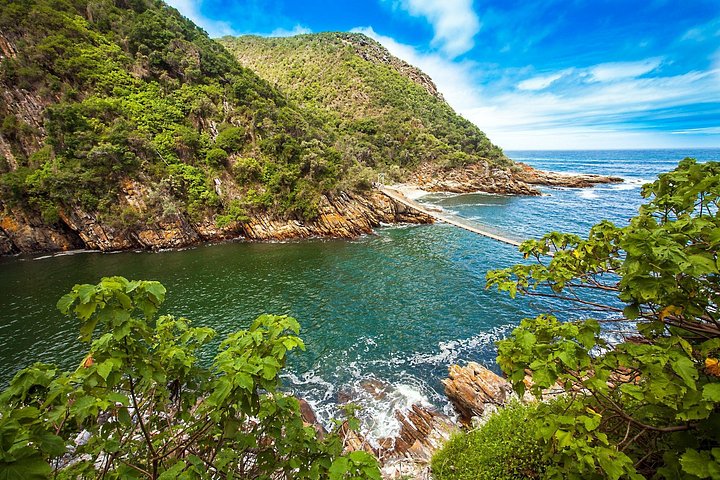
The suspension bridges at Storms River Mouth were being rebuilt in phases through 2026, and the schedule slipped more than once, so check the SANParks news page before you plan the day around them. Park hours and fees change, so confirm them on the park sites.
Eating and budgeting
Lagoon oysters in Knysna, fresh fish at the harbours of Mossel Bay and Plettenberg Bay and farm-style meals in Oudtshoorn are all easy to find, and prices are modest by European standards. Card payments are widely accepted, although some small places in villages prefer cash, so carry a little. Fuel stops are frequent along the N2, but top up before the quieter inland roads.
A simple five-day plan
Day one, arrive at George, drive to Wilderness and take the river cruise. Day two, go over the mountains to Oudtshoorn for the Cango Caves and an ostrich farm. Day three, drive to Knysna for the Heads cruise and an evening at the waterfront. Day four, Plettenberg Bay for Robberg and the seals. Day five, Tsitsikamma for the national park, the canopy tour and the Bloukrans Bridge on the way.