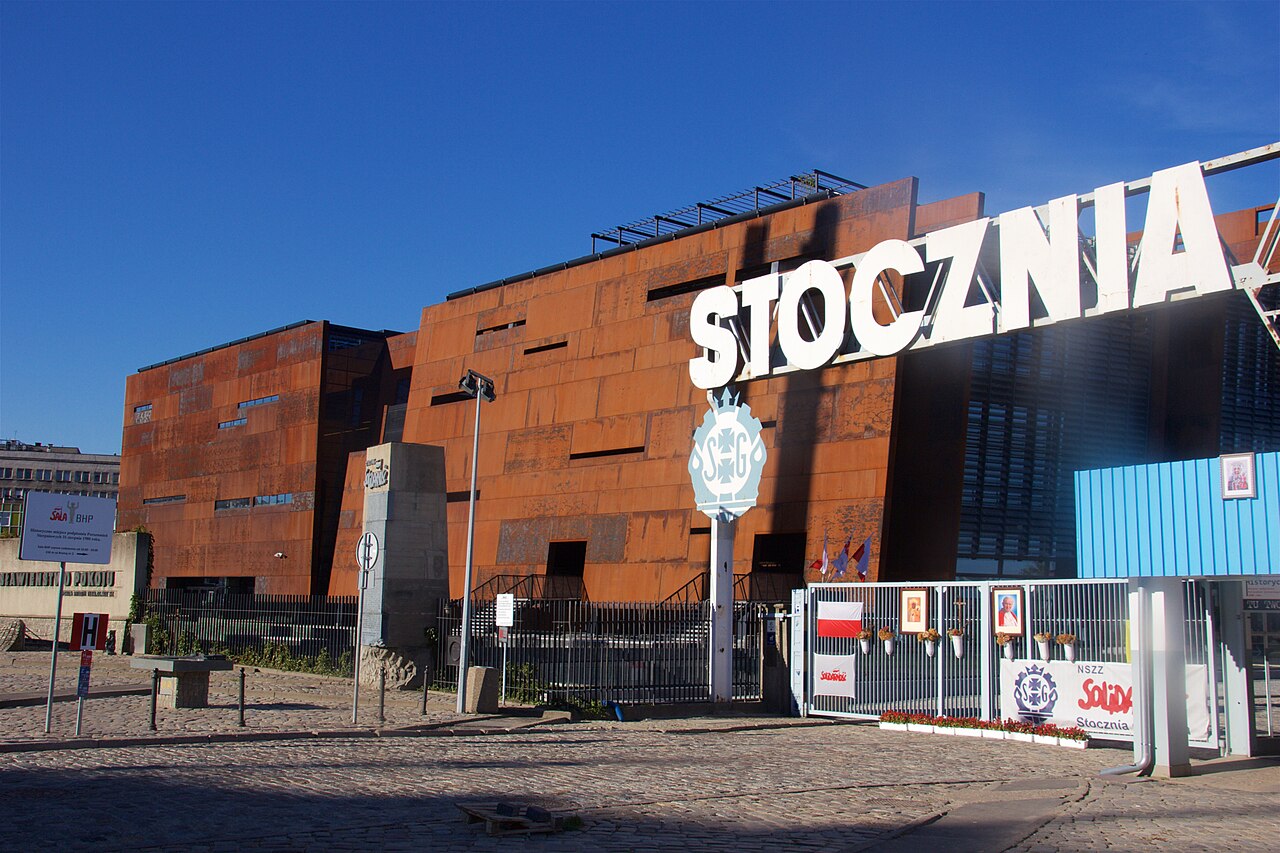
Gdańsk is one of the most rewarding cities in Poland, and one of the easiest to enjoy. In a compact area you have a beautiful Main Town of gabled houses and brick churches, two world-class history museums, a riverside of granaries and boats, and, a short train ride away, the beaches of Sopot and the immense castle at Malbork. It is also a city with a big story: the Second World War began at Westerplatte in 1939, and the Solidarity movement was born in the shipyard in 1980. A little planning helps, because several sights close on a Monday or a Tuesday and winter timetables are shorter.
What to book ahead
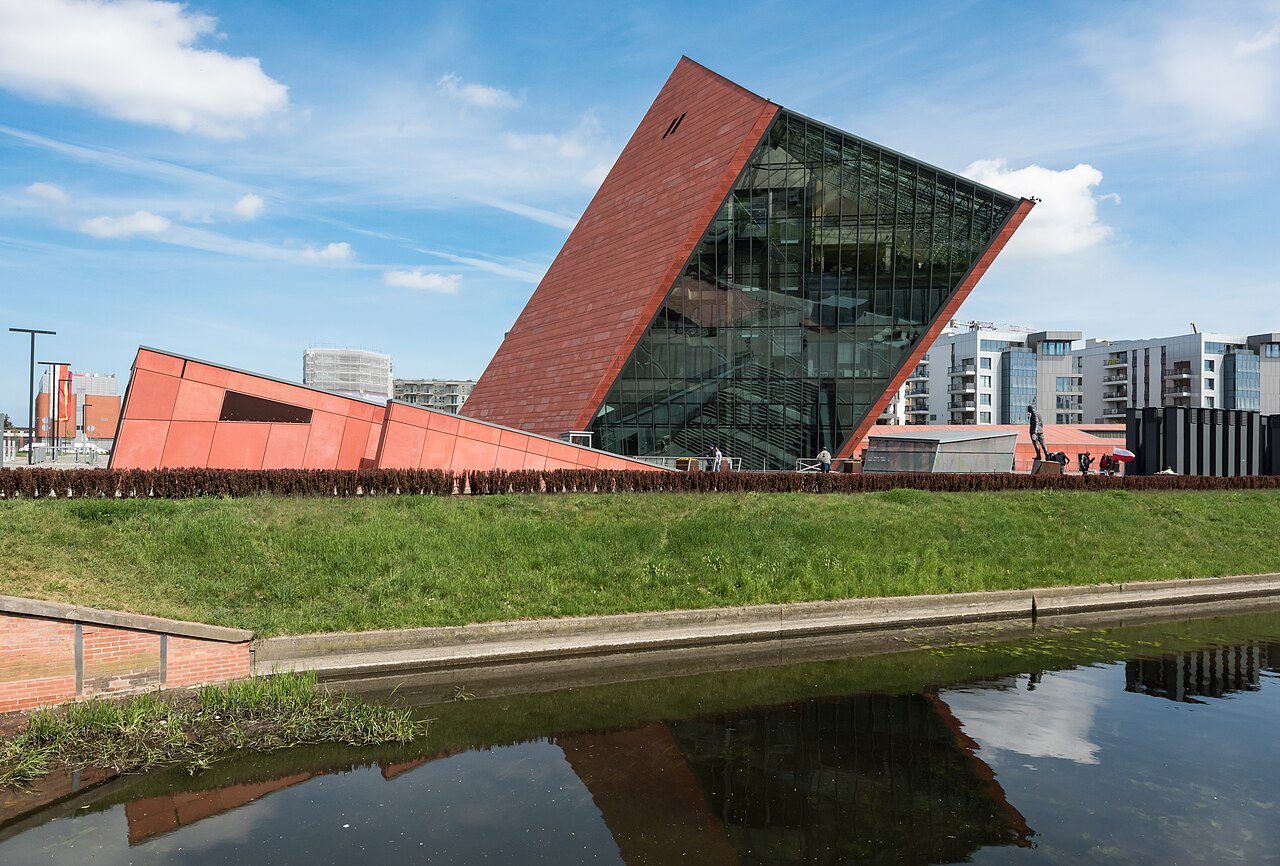
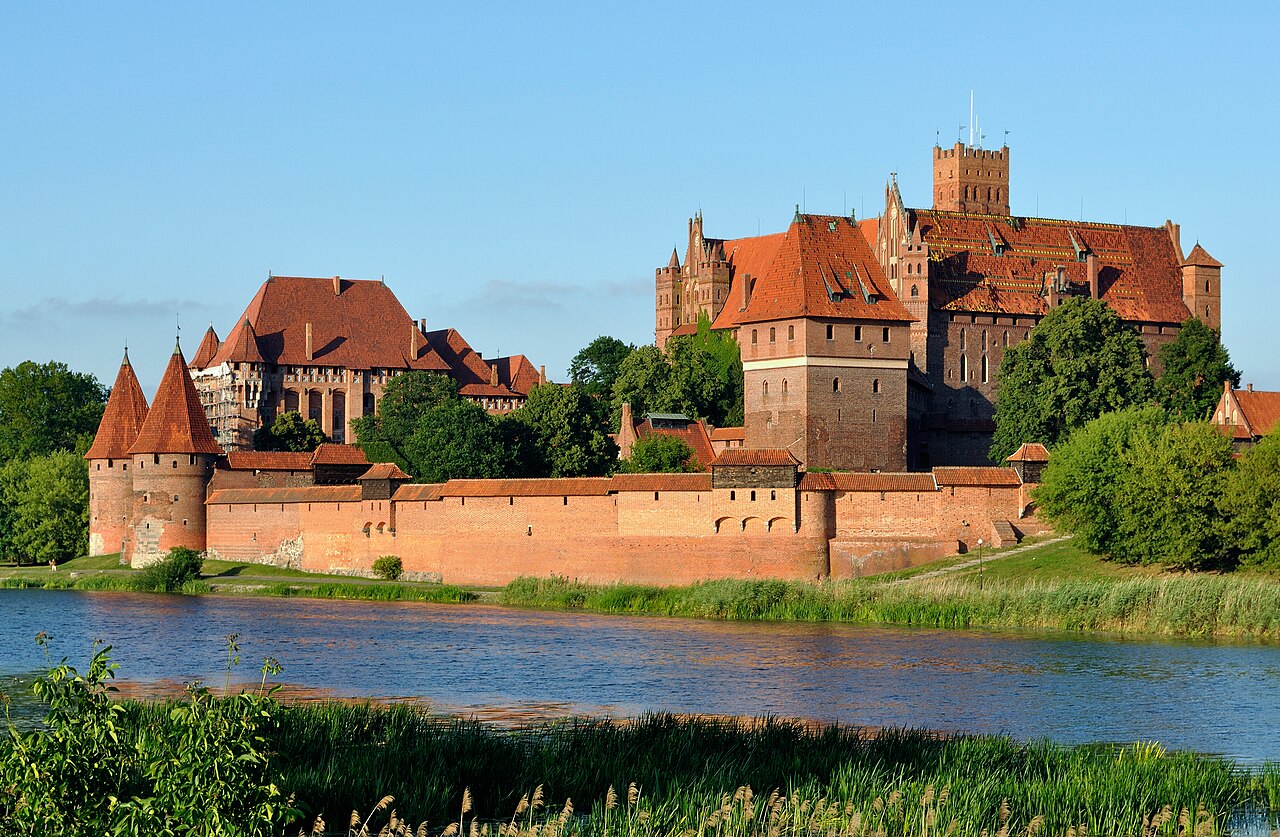
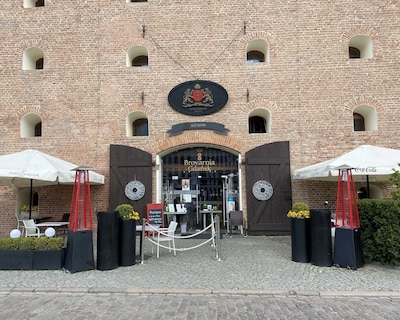
The European Solidarity Centre is best seen on a guided tour, and the entry ticket with guide is worth reserving, especially at weekends. Book Malbork Castle tickets online for your chosen day, as the full Historical Castle Route has an early last entry in winter. Evening experiences such as the guided vodka tasting and the craft beer tour have set start times and limited places, and the private Motława cruise is for your group only, so reserve a few days ahead. The Museum of the Second World War sells tickets online too, which saves time at busy periods. The Royal Route, the Sopot pier off-season and the outdoor memorial at Westerplatte need no booking at all.
Watch the closing days
The Museum of the Second World War is closed on Mondays and closes early, at 16:00, on Tuesdays. The exhibition at Westerplatte is also closed on Mondays. The European Solidarity Centre is closed on Tuesdays from October to April. Malbork Castle opens only its grounds route on Mondays in the fall-winter season, free of charge, so save the full castle visit for Tuesday to Sunday. A simple plan is to do the Solidarity Centre and the Royal Route on Monday and the WWII Museum and Westerplatte on another day.
Winter notes for late 2026
From November to April the tower of St Mary's Basilica is closed, though the church is open. Malbork runs its fall-winter hours until 25 April 2027, with last entry to the full route at 12:45. The WWII Museum and Westerplatte close on 24, 25, 26 and 31 December 2026, and Malbork closes on 24 and 25 December and on 1 and 6 January. On the bright side, the Sopot pier is free outside the summer season, the museums are quiet, and the Main Town gains a Christmas market in the run-up to the holidays.
Arriving and getting around
Gdańsk Lech Wałęsa Airport is west of the city, with trains and buses into the centre, and taxis are inexpensive. Gdańsk Główny, the main station, is a short walk from the Main Town and is the hub for day trips: SKM commuter trains run frequently along the coast to Sopot and Gdynia, and fast trains reach Malbork in well under an hour. Within the city, the historic centre is compact and best explored on foot, and trams and buses cover the rest; you can usually pay by contactless card. Westerplatte is several kilometres away, so take a bus or taxi in winter, or a boat in summer.
How many days
Three days is ideal. Spend the first on the Royal Route, St Mary's Basilica and the riverside, ending with a cruise or a tasting tour. Give the second to history: the Museum of the Second World War in the morning and the European Solidarity Centre in the afternoon, or Westerplatte if you have the energy. Use the third for a day trip, either Malbork Castle or the seaside at Sopot. With a fourth day, do both day trips and slow the pace.
Where the headline sights fit
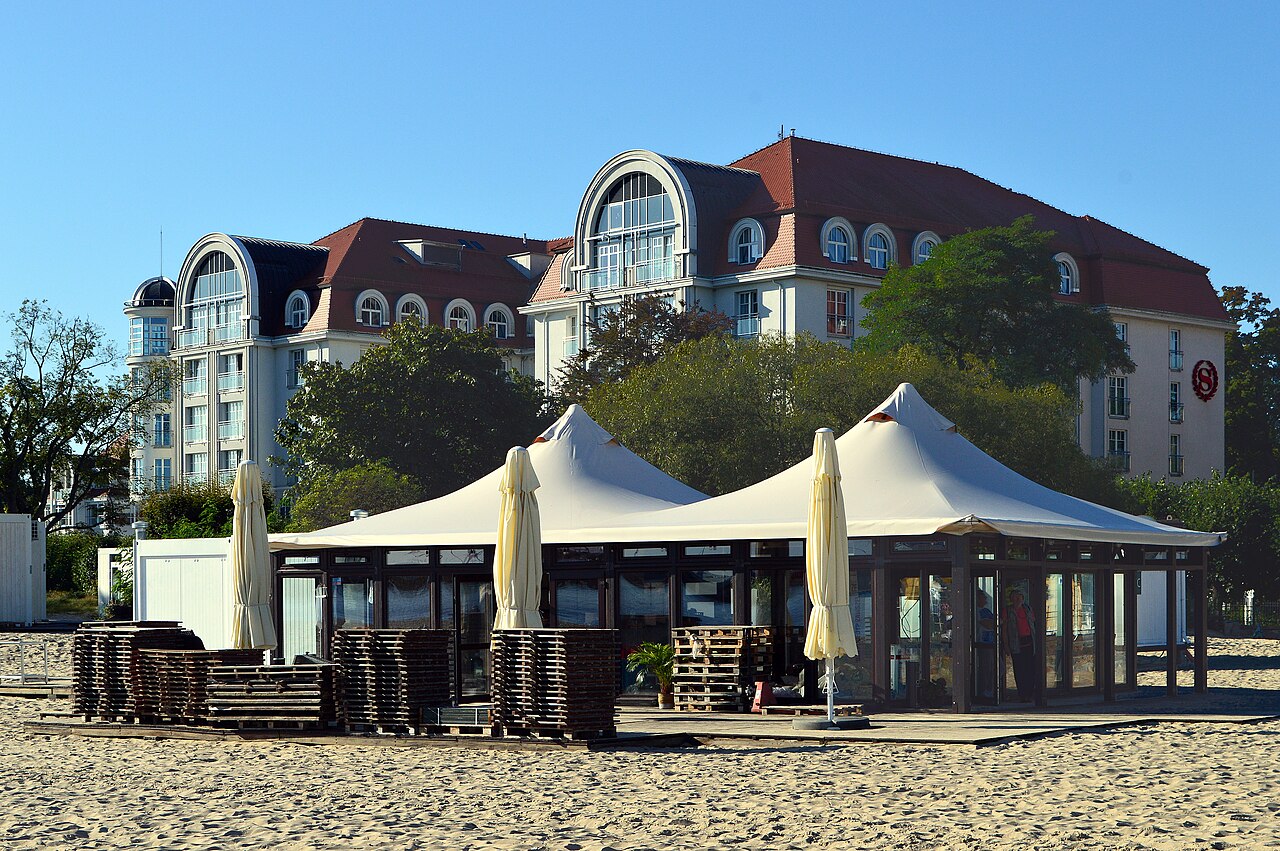
The Royal Route is the natural first walk and links St Mary's, the river and the boat departures. The WWII Museum and the Solidarity Centre sit a short walk north of the Main Town, so they pair well on a single day if you can handle two heavy museums. Visit the WWII Museum before Westerplatte so the site makes sense. Make an early start for Malbork, and keep Sopot for a clear day, when the light over the bay is at its best.
Money and manners
Poland uses the złoty, not the euro, and cards are accepted almost everywhere. Tipping about ten percent in restaurants is normal. Dress respectfully in churches, and remember that the drinking age is 18 if you book a tasting tour.