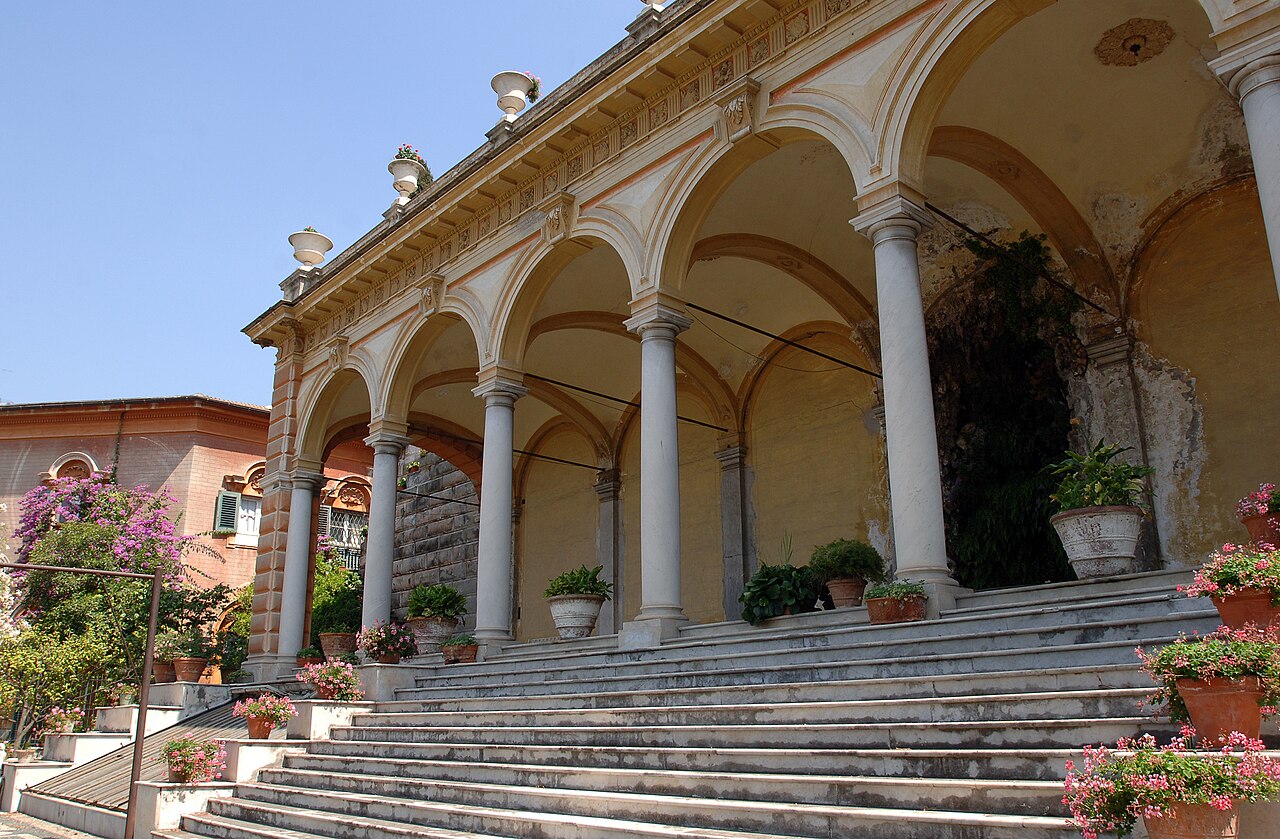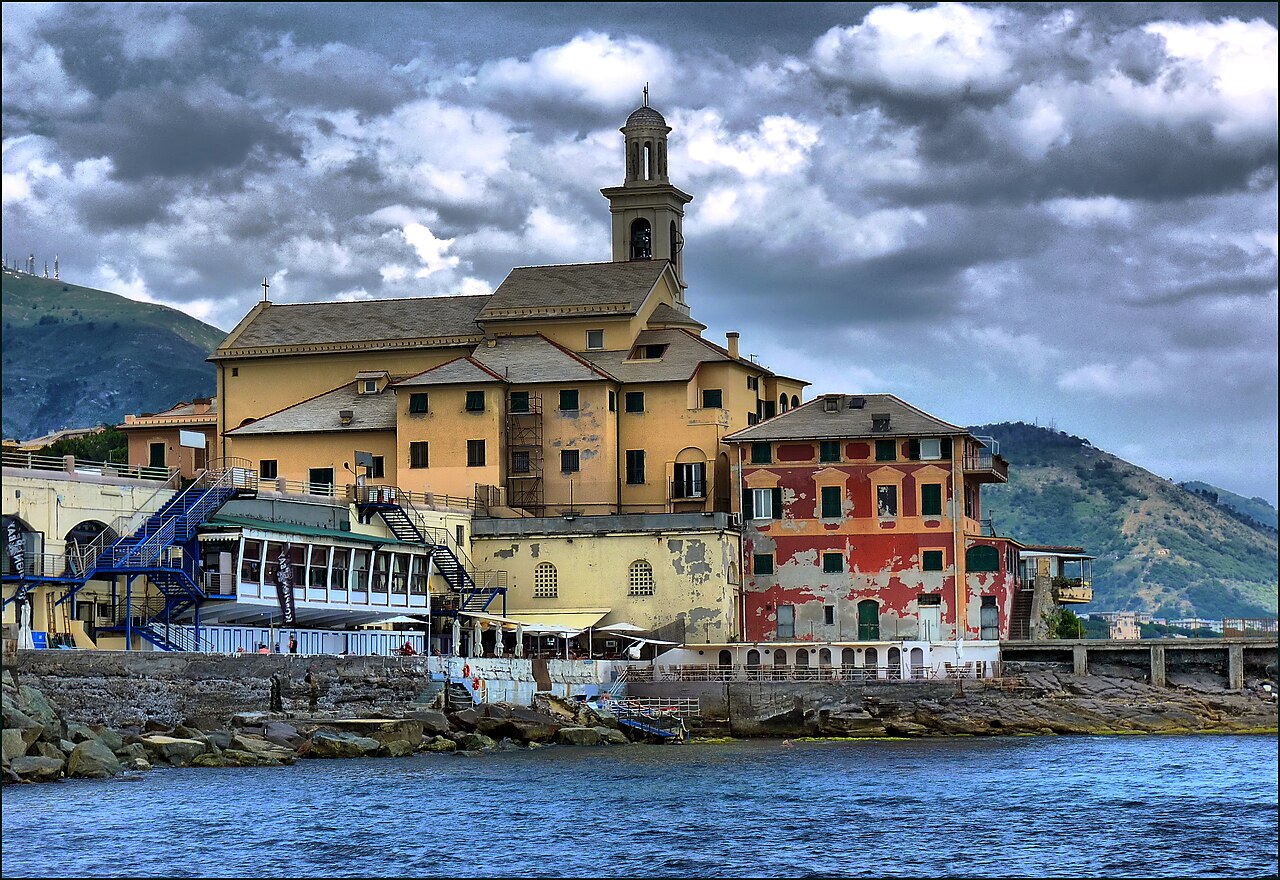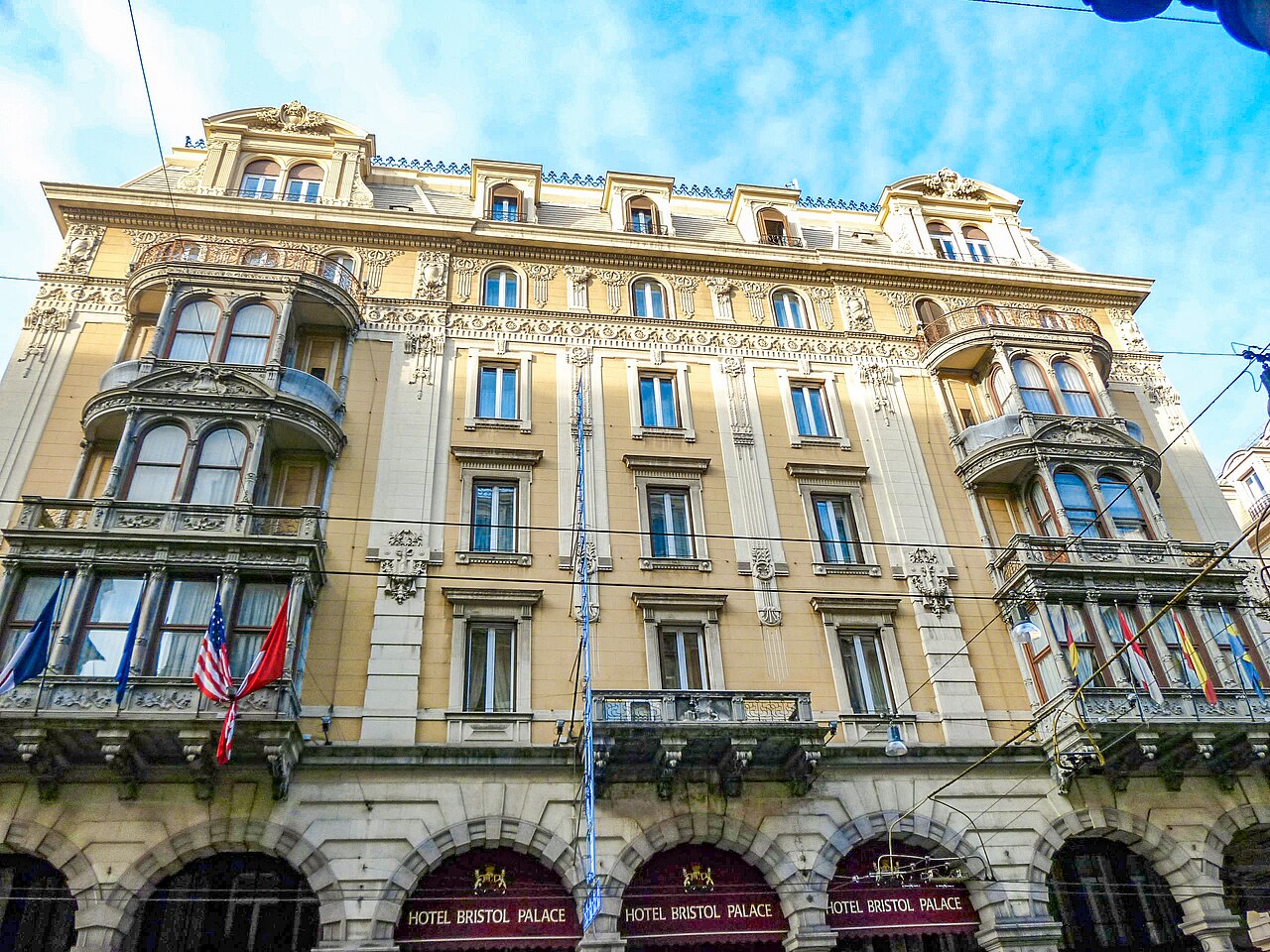
Palazzo Cicala is a small, characterful place to stay in the historic heart of Genoa, in a building that belongs to the city's long tradition of noble family palaces. Staying in a palace conversion is one of the nicest ways to feel the old Republic of Genoa, when merchant families built townhouses with frescoed halls and marble stairs to show off their wealth, and a few of those houses now welcome guests in place of dukes and bankers. The setting is the real draw. The cathedral of San Lorenzo, the Palazzo Ducale, Piazza De Ferrari and the opera house are all within a short walk, and the maze of lanes known as the caruggi runs right outside. Focaccia bakeries, wine bars, tiny shops and old chapels appear at every turn, and the harbour and aquarium are about fifteen minutes away on foot. For a traveller who wants to live inside the old city rather than look at it from a bus window, a base like this is hard to beat. Expect a more intimate experience than in a large chain hotel. There are fewer rooms, a personal welcome and a sense of being a guest in a historic house, with all the charm and quirks that implies. Rooms are usually individually arranged, and some have high ceilings and period details, while others are simpler and more modern.
Because palace buildings were never designed as hotels, room sizes, layouts and views vary, and it is sensible to read the room description carefully when you book. Some rooms look onto the lane, with the sounds of the old town, and others face a courtyard or a quieter side. Light sleepers should ask for a quiet room. Air conditioning and modern bathrooms are common in this kind of conversion, but check the details when you book, especially in summer, and check whether breakfast is served on the premises or at a nearby cafe.
Access is the main practical point. Many old town buildings have narrow entrances and stairs, and while there may be a lift, it can be small. Guests with large suitcases or limited mobility should ask about access before arriving, and it is wise to pack light. The pedestrian lanes mean taxis cannot always stop at the door, so you may walk the last few minutes from a nearby square. Reception can usually explain the easiest route from the station or the airport, and the metro and buses connect the area with Principe and Brignole stations.
The old town is lively in the evening, with locals and visitors filling the bars and trattorias, and it is generally pleasant, but as in any port city the back lanes can feel rough in places, so keep to the busier streets late at night and ask the staff which routes they recommend. Dinner options nearby include traditional Ligurian kitchens serving pesto pasta, stuffed vegetables, fried fish and farinata, and a glass of Vermentino or Pigato makes a good match.
Value is a further reason to choose a small palace hotel. Prices are usually moderate by Italian city standards, and the saving compared with a grand hotel can pay for a boat trip to San Fruttuoso or a day on the Riviera. Book early for spring and autumn, when fairs and cruise arrivals fill central rooms, and ask about flexible rates if your plans are uncertain.
This is a very good fit for couples, solo travellers, history lovers and anyone who prefers atmosphere to extras. Travellers who want a gym, a pool or a large lobby bar will find more of that at the bigger hotels near the stations.
Why stay here
- ✓Historic palace building
- ✓Old town location near the cathedral
- ✓Walk to Palazzo Ducale
- ✓Air-conditioned rooms
- ✓Breakfast available
- ✓Boutique scale
- ✓Concierge help
- ✓Luggage storage
Good questions
Is it in the old town?+
Yes. It is in the historic centre, within a short walk of the cathedral, the Palazzo Ducale and Piazza De Ferrari.
Is it suitable if I have heavy luggage?+
Old town buildings can have narrow entrances and stairs, so ask about access before you arrive and pack light if you can.
Is the area safe in the evening?+
The main streets are lively and generally fine. Keep to busier routes late at night and ask the staff for advice.