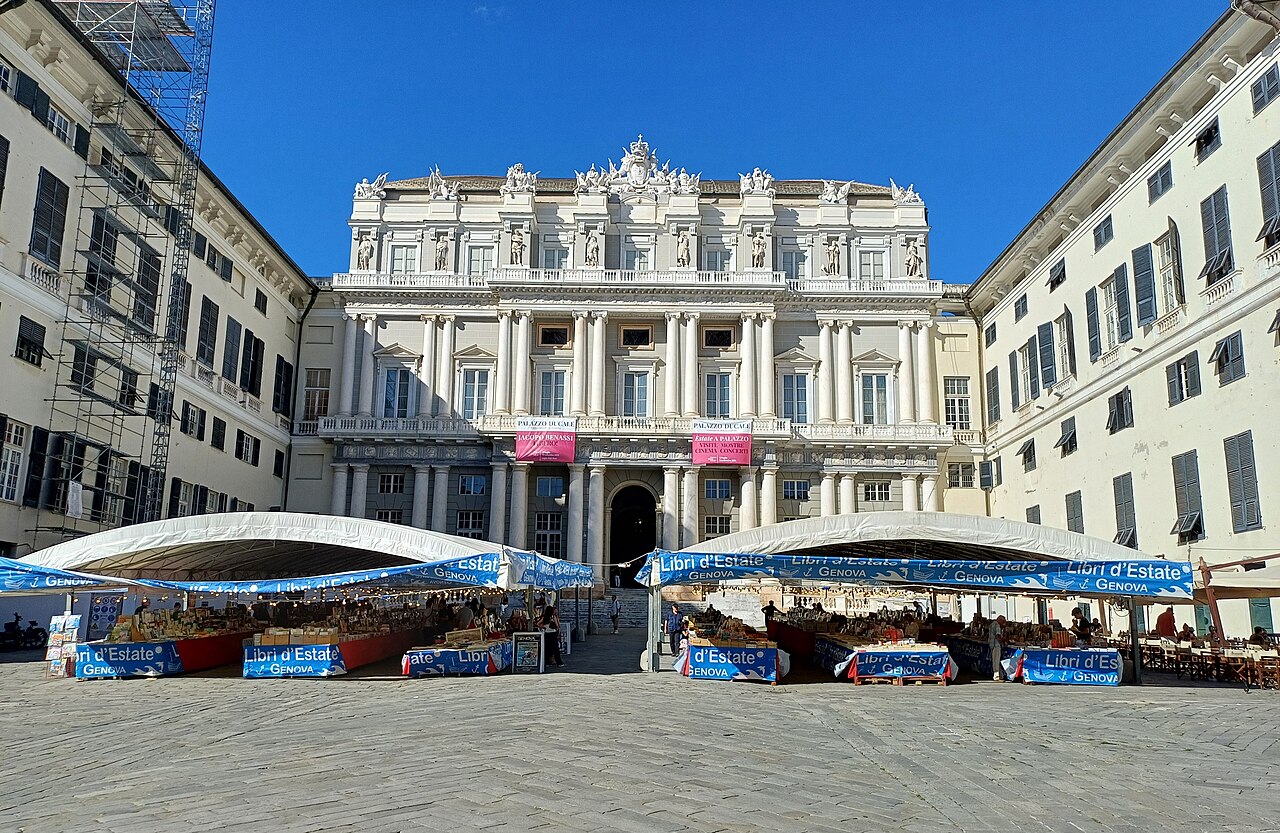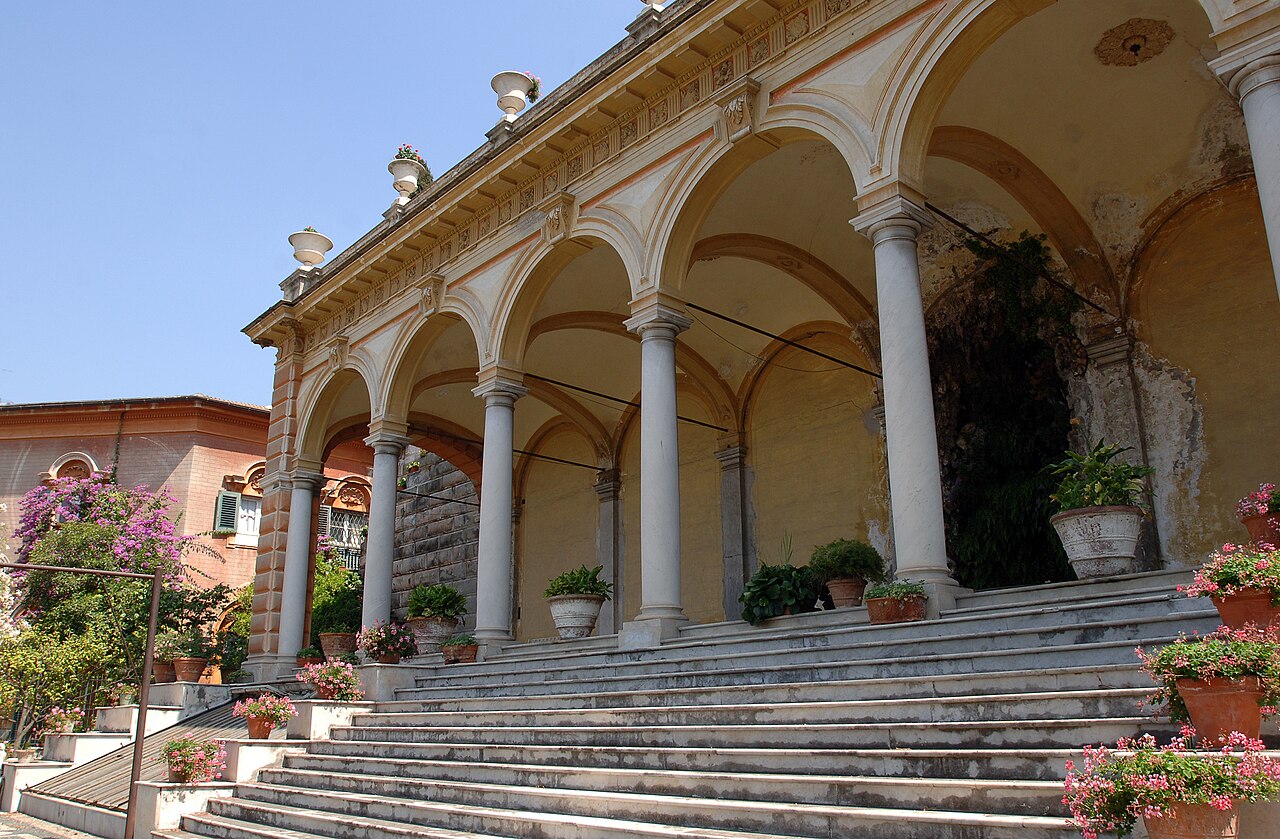
The Strade Nuove and the system of the Palazzi dei Rolli were inscribed as a UNESCO World Heritage Site in 2006, and walking Via Garibaldi, Via Balbi and Via Cairoli shows why. In the sixteenth century the Genoese banking and shipping families, who lent money to kings and emperors, laid out a new set of streets above the medieval harbour and filled them with townhouses of astonishing size. The Rolli were the formal lists of the finest of those palaces, and the owners were obliged, by lot, to host visiting princes, ambassadors and cardinals. Via Garibaldi, once called Strada Nuova, is the showpiece. Palazzo Bianco, Palazzo Rosso and Palazzo Doria-Tursi stand along it and together form the Musei di Strada Nuova, with Old Master paintings, frescoed salons and a famous violin that once belonged to Paganini. Further west on Via Balbi, the Palazzo Reale preserves the royal apartments and gardens of the House of Savoy, and the university occupies another grand palace nearby.
The first thing to understand is that Genoa hides its grandeur behind modest fronts. A palace door may open on a courtyard with loggias, a staircase of marble, a garden terraced up the hillside and rooms painted with ceilings of mythology. Peek into courtyards when doors are open, which is permitted in most cases, and look for the pebble mosaics and fountains in the entrance halls.
Not every palace is a museum. Many are banks, offices, university departments or private homes. Several open for guided visits, and a number open for free during the Rolli Days, a festival held twice a year, typically in spring and autumn, when private palaces welcome the public. Dates move, so check the tourist board before travelling if you want to time your visit for them.
A good plan is to walk Via Garibaldi in the morning, choose one or two museums, and then continue to Via Balbi for the Palazzo Reale in the afternoon. The route is slightly uphill from the Piazza Fontane Marose end, and cobbled in places, so comfortable shoes help. Guided tours add context that signs sometimes lack, from banking families such as the Doria, Spinola and Grimaldi to the way the palaces were used for ceremonies, and are worth considering for a first visit.
Opening days vary by museum, and many close one day a week, commonly Monday, so confirm hours before you commit to a particular building. Outside the major museums, the real pleasure is the walk itself, the narrow side streets, the shaded courtyards and the sudden views over the roofs towards the sea. Combined museum passes can be better value if you plan to see several in a day.
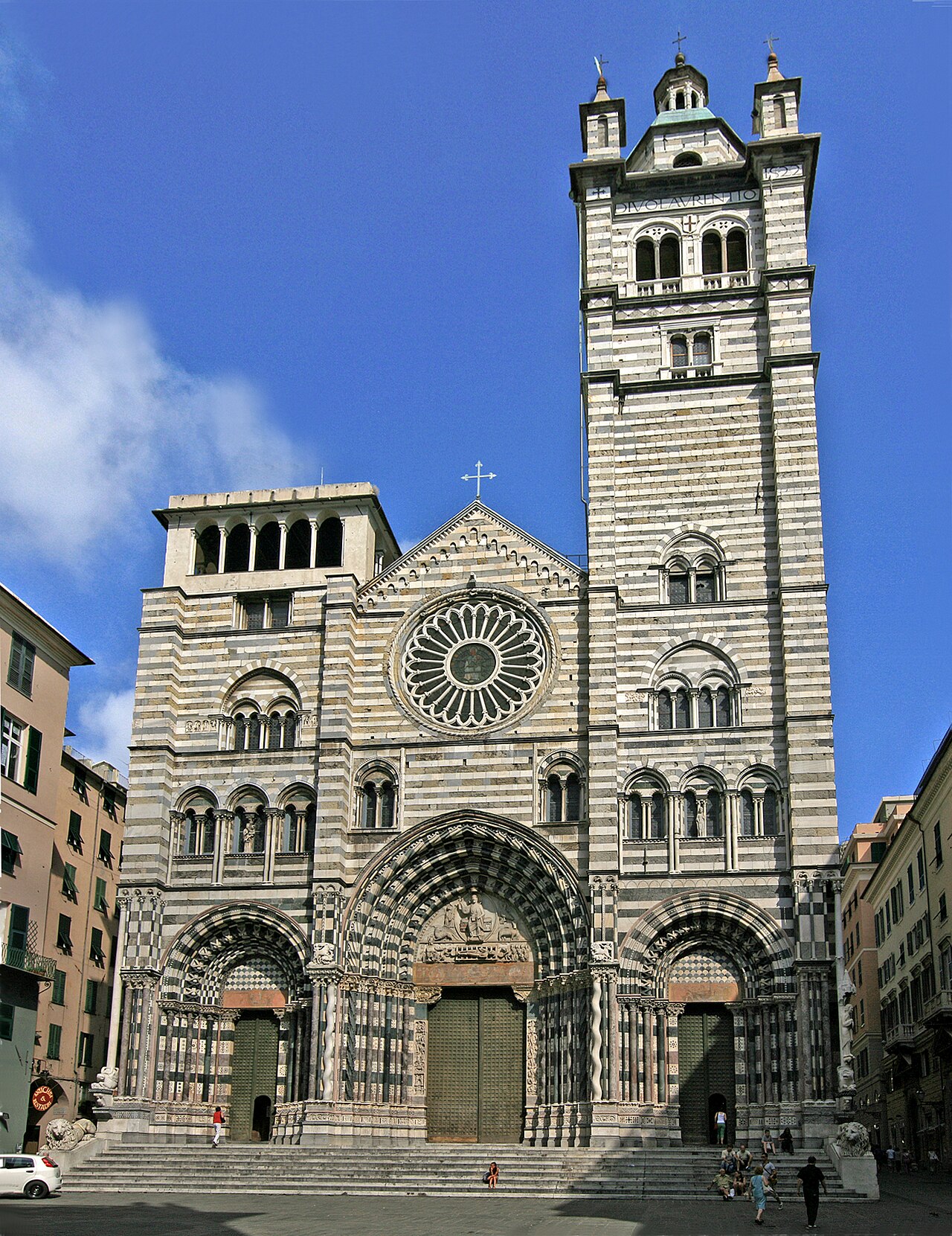
Fit it with a coffee break in one of the old cafes near Piazza Fontane Marose, then drop down into the caruggi, the old town lanes, to reach the cathedral and the port on foot. This is the best single morning of culture in Genoa, and a perfect introduction to why the city once ranked among the richest in the Mediterranean.
One practical tip
Many palaces keep a short lunch break and close early on certain days, so a late afternoon arrival can mean locked doors. Start before noon, and treat the street as the main event with a museum or two as the bonus.
What to expect
The experience
A self-guided walk along Via Garibaldi and Via Balbi, with optional museum entry to the palaces of the Strada Nuova and the Palazzo Reale.
Best time
Mornings, when the light is soft and the museums are quiet. Rolli Days in spring and autumn open extra private palaces.
How long
Two to four hours depending on how many museums you enter.
Tips
Wear comfortable shoes for cobbles and slopes, check closing days and consider a guided visit for context.
Quick picks
- Best for
- Art, architecture and history lovers who enjoy palaces.
- Families
- Older children may enjoy the grand rooms; younger ones prefer shorter visits.
- Couples
- Quiet courtyards and frescoed salons make a romantic morning.
- Pair with
- The cathedral, Piazza De Ferrari and a lunch of focaccia in the old town.
- Time needed
- Half a day.
Good questions
Why are they called the Rolli palaces?+
Rolli were lists of the finest private palaces in Genoa. The owners were chosen by lot to host state visitors, which is why the buildings were so lavish.
Are all the palaces open to the public?+
No. Some are museums, others are offices, banks or homes. A few open for free during the Rolli Days festival.
Which museums are on Via Garibaldi?+
Palazzo Bianco, Palazzo Rosso and Palazzo Doria-Tursi, together known as the Musei di Strada Nuova.
How long should I allow?+
A walk along the street takes an hour. Add an hour per museum you enter.
Are they accessible?+
Accessibility varies by building. Check with each museum before visiting if you use a wheelchair or have limited mobility.