Most museums show kings, saints and masterpieces. Huis van Alijn shows the rest of us. It stands on the Kraanlei, one of Ghent's prettiest canal-side streets, and its permanent exhibition is about daily life: the customs, traditions and rituals of the recent and the distant past, from birth and weddings to festivals and the family table. Each room is linked to a date in the calendar and tells a story around its theme, using objects, photographs and film from the twentieth and twenty-first centuries that spark conversation and memory. It is an interactive museum, with things to touch, smell and listen to and activities to join, which makes it more engaging than a standard display of cases. It suits families, older visitors who will recognise much of what they see and anyone curious about how Flemish people have lived. The setting in a group of historic buildings around quiet courtyards adds charm, and the museum has a cafe, so a visit can slot easily into a day of walking in the old town.
The idea behind the museum is that ordinary life is as worthy of study as great events. Rather than arranging objects by period or by style, the exhibition follows the rhythm of the year and the stages of life, so you move through rooms devoted to celebrations, rituals and the small habits that fill a day. Many objects will look familiar to visitors from the second half of the twentieth century, and that is the point: seeing a kitchen, a school desk or a family photograph in a display prompts people to share their own memories, and staff and the exhibition design encourage this.
The museum is also known for its film and photography collections, which give a human face to the changes of the last century.
Plan about ninety minutes to two hours. Guided tours and visits without a guide are both possible, and the museum has material for families visiting with children. Opening days, the weekly closing day and ticket options are set out on the museum's visit page, so check it before you go, since museums in Ghent often close one weekday.
Entrance fees and online tickets are handled on the museum's own site, which is the right place to buy a ticket, and a Museum Pass or city card may give a discount. Accessibility information is also on the museum's site, so check it if you need step-free access, since the buildings are historic.
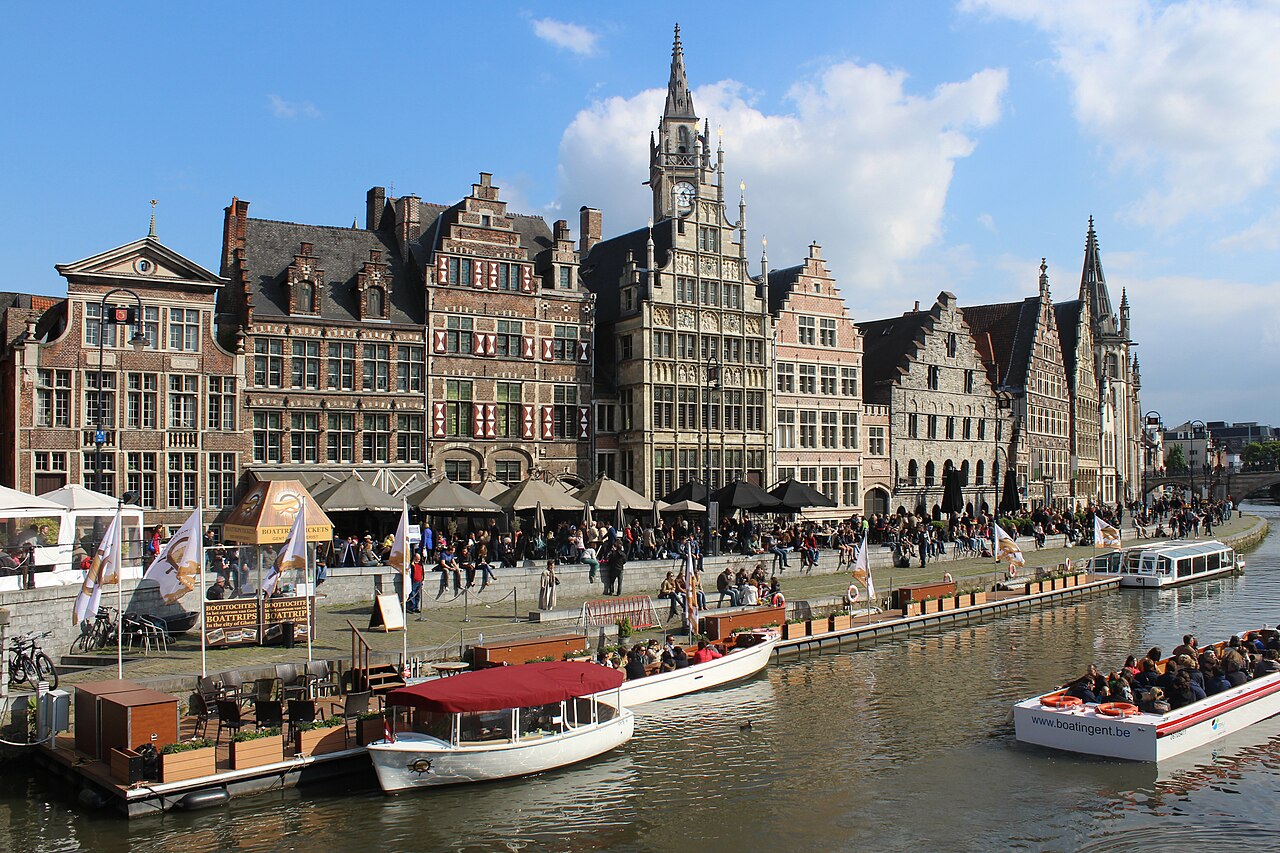
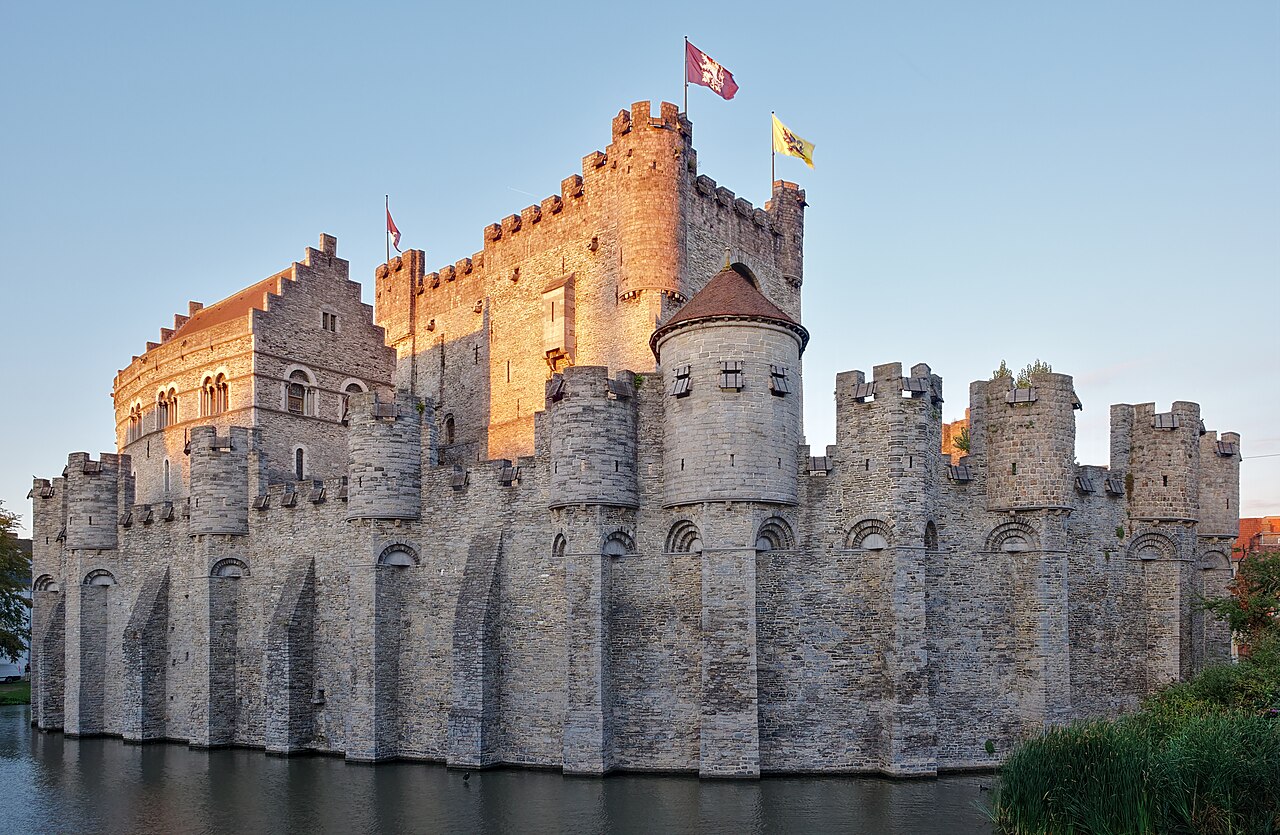
The museum's position makes it easy to combine with other sights. The Kraanlei runs along the water behind the Graslei and the Korenlei, and Gravensteen is a few minutes away on foot, as are the lanes of Patershol and the Graffiti Alley. A natural plan is to visit the castle in the morning, have lunch in Patershol and spend the afternoon in the museum, finishing with a coffee in the museum cafe. It is also a good wet-weather option, because most of the experience is indoors and the exhibitions invite you to take your time.
Children enjoy the hands-on elements and the colourful, sometimes playful rooms, while adults appreciate the memories they stir up. It is not a museum for people who want a quick tick-box visit; it rewards those who slow down and talk about what they see. Bring a curious mind, and perhaps a companion whose childhood overlaps with yours.
What to expect
The experience
A self-guided walk through themed rooms of objects, photographs and film about customs, rituals and everyday life, with hands-on elements.
Best time
A weekday afternoon, or any wet day when you want something indoors.
How long
Around ninety minutes to two hours.
Tips
Check opening days and ticket options on the museum's site and allow time for the cafe.
Quick picks
- Best for
- Curious visitors who like to see how ordinary people lived, rather than only kings and masterpieces.
- Families
- Hands-on rooms and familiar objects keep children and grandparents talking.
- Couples
- A relaxed, human museum that pairs well with lunch in Patershol.
- Pair with
- Gravensteen, Patershol and a walk along the Kraanlei.
- Time needed
- Allow two hours.
Good questions
What is Huis van Alijn?+
A museum of everyday life on the Kraanlei in Ghent, with a permanent exhibition about the customs, traditions and rituals of daily life.
Is it interactive?+
Yes, visitors can touch, smell and listen and take part in activities, which makes it popular with families.
How long should I allow?+
About ninety minutes to two hours, plus time for the cafe.
Are guided tours available?+
Yes, the museum offers guided visits as well as visits without a guide. Check the museum's site for groups and booking.
Where do I find opening days and tickets?+
On the museum's own visit page, which covers opening hours, entrance fees and online tickets. Check it before you go.