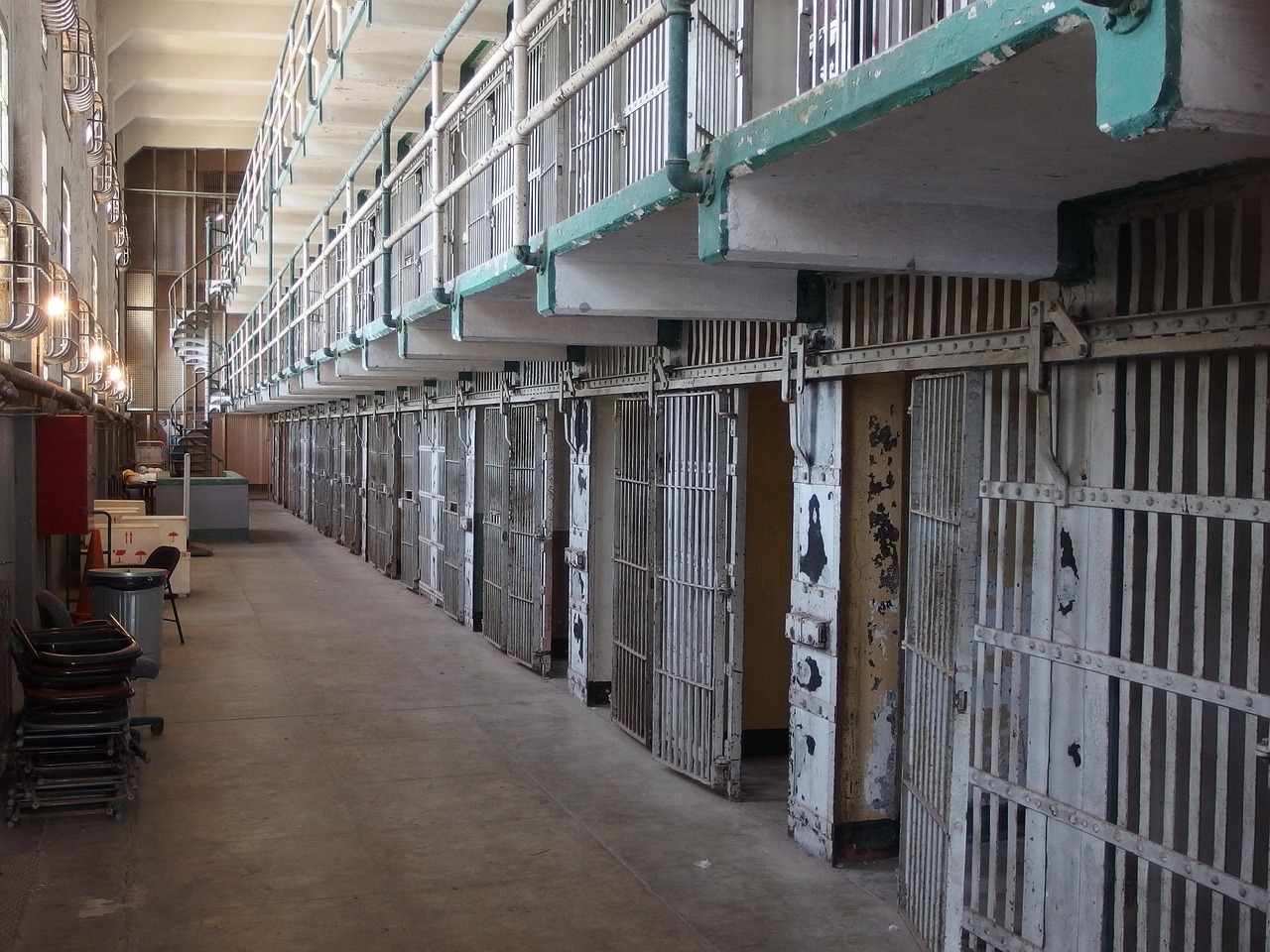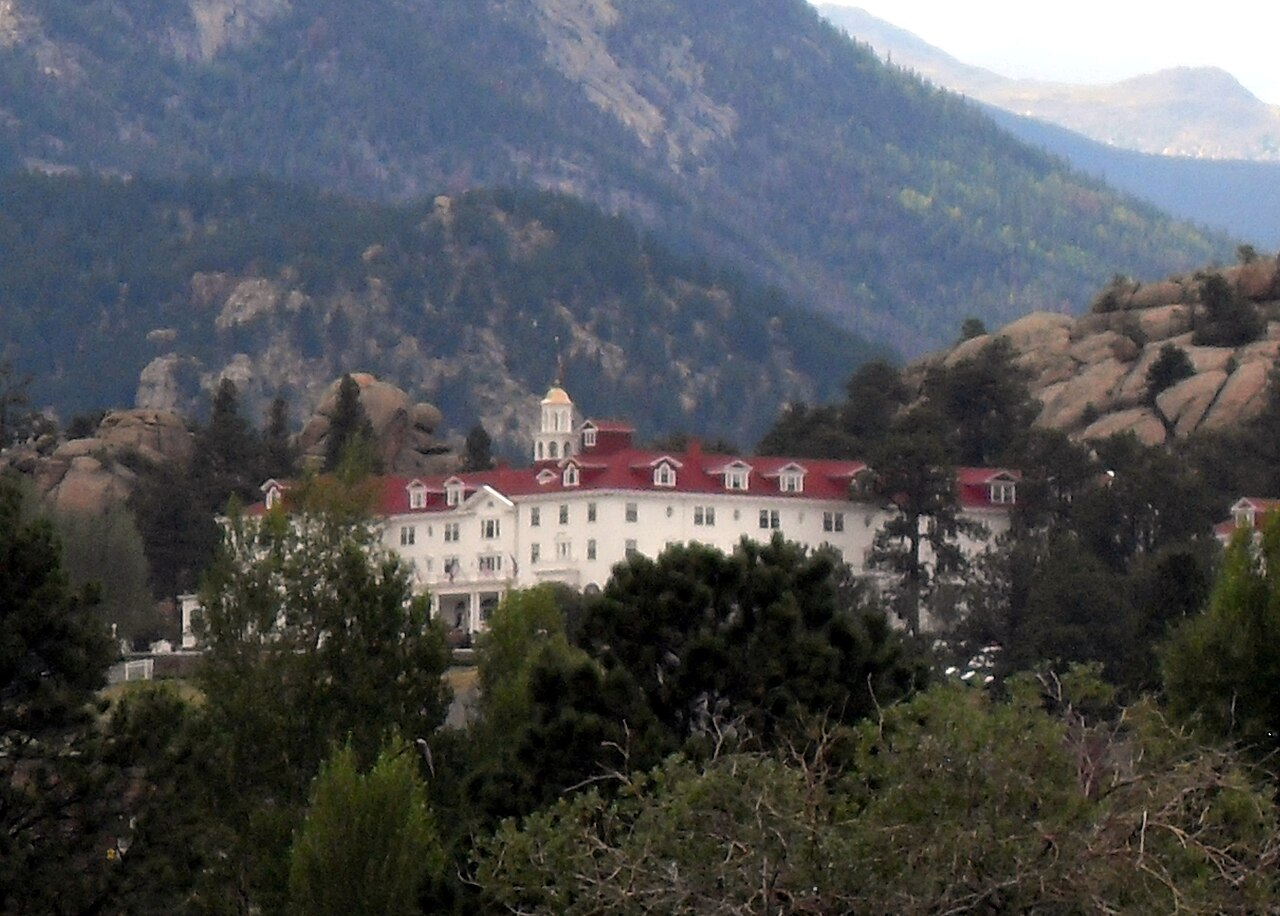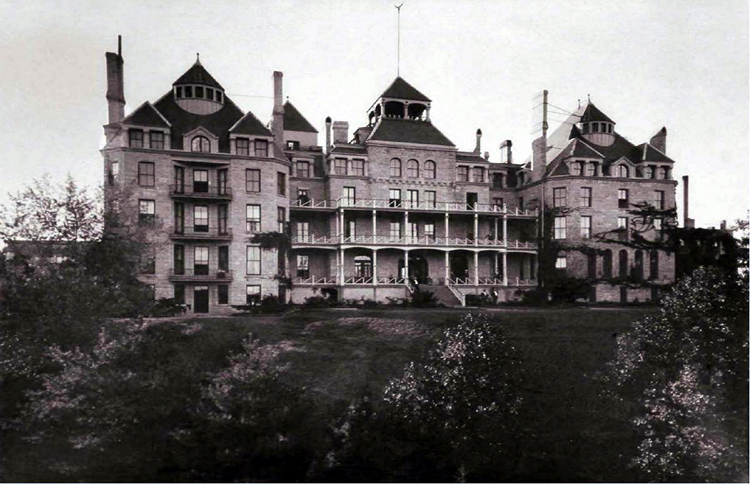
Prisons are the haunted sites that skeptics tend to respect most, because the history needs no embellishment. Thousands of people lived, suffered and sometimes died inside these walls, and the buildings survive in such raw condition that the atmosphere does a great deal of the work before a guide says a word. This guide sorts the best of them by what each does well, then explains how to visit so the experience lands.
The ruin that teaches
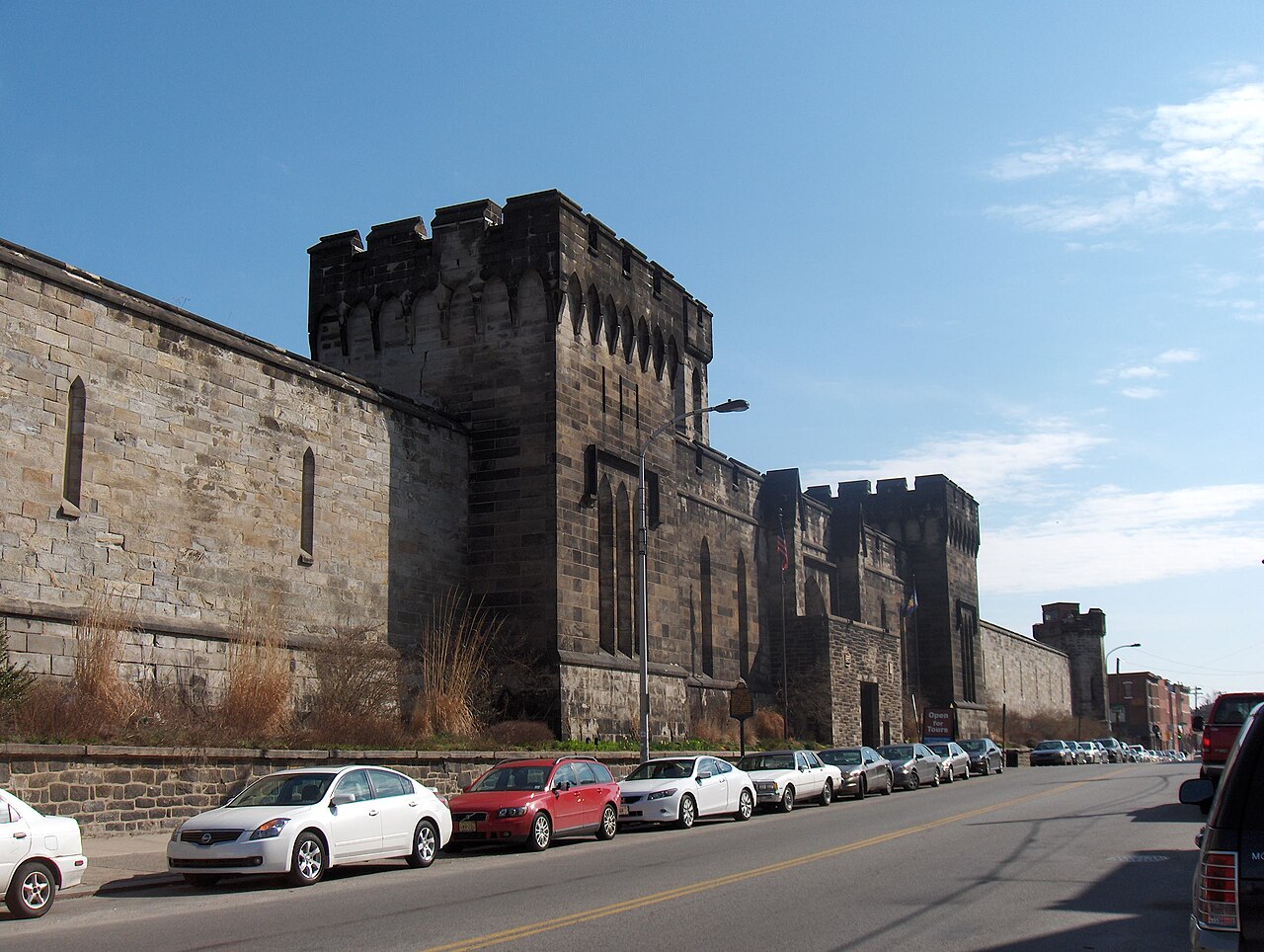
Eastern State Penitentiary in Philadelphia is the gold standard for people who care about ideas. Opened in 1829 as a radical experiment in solitary reflection, it left behind vaulted cell blocks that are now deliberately preserved as a ruin, with peeling plaster, collapsed ceilings and trees growing from old corridors. Go by day for the full interpretive story, and in autumn for the Halloween programming that layers theatrical scares over the architecture.
The island at night
Alcatraz needs no introduction, but the night option changes it. With the day crowds gone and the bay dark, the cell house feels quieter and the stories of the Birdman, the escapes and the 1946 battle carry a different weight. Book well ahead, because evening departures are limited and the ferry is the only way across.
The Gothic fortress
The West Virginia Penitentiary at Moundsville looks like a castle and behaves like a prison. Its towers, cell blocks and execution history make it a favorite of television investigators, and the longer paranormal programs give committed visitors time to sit with the building. Pair it with the Ohio State Reformatory, a few hours west, for a two-prison weekend; the reformatory's enormous steel cell block is the famous setting of a celebrated 1994 prison film, and its tours cover both film history and haunted lore.
The western survivors
Old Idaho Penitentiary in Boise is a sandstone territorial prison with a solitary unit nicknamed Siberia and an unusually well-kept museum. The Missouri State Penitentiary in Jefferson City, once called the bloodiest fifty acres in America, offers a very different feel, with its long record of riots and executions told through guided tours. Together they show how the American frontier handled punishment.
The institutions of care
Not every haunted institution was a prison. Waverly Hills in Louisville began as a tuberculosis sanatorium and carries the weight of a hospital that treated a deadly disease before antibiotics, while Pennhurst in Pennsylvania was a state institution for people with disabilities whose exposure and closure helped drive reform. These sites deserve a more reflective approach. Choose the historical tours first, and treat any entertainment programs with awareness of the real suffering behind them.
How to choose
If you want ideas and architecture, start with Eastern State. If you want drama and a bay at night, book Alcatraz. If you want the full Gothic experience and a long paranormal program, drive to Moundsville. If you want a quieter western stop, choose Boise. If your interest is the human cost of institutional care, visit Waverly Hills or Pennhurst with respect. Mix day and night where possible: the daytime tour gives the facts, and the evening program gives the mood.
Visiting well
Wear sturdy closed-toe shoes, since floors can be uneven and many buildings are unheated. Dress in layers: stone interiors are cold in winter and surprisingly clammy in summer. Book evening and overnight programs early, particularly in October, and read age and content notices carefully, because several of these sites cover executions, violence and the deaths of children. Photography is generally welcome, but rules vary by program, so check before you go. Stay with your group, respect restricted areas, and never treat the history as a prop.
Building a trip
The cleanest prison itinerary is regional. The mid-Atlantic and Appalachian loop links Philadelphia's Eastern State and Pennhurst with Moundsville and the Ohio State Reformatory. The West pairs Alcatraz with Boise and the ghost-town stops along the way. The Midwest ties Jefferson City to Kansas City's true-crime history and the unsolved Villisca house in Iowa. Each combination gives a different picture of how America has built, used and eventually abandoned its places of confinement.
What to expect emotionally
These visits can be heavier than a lantern walk through a pretty square. The best way to handle that is to leave space around the tour: a good meal before, a walk afterward, and no rushing to the next stop. Many visitors find that the quieter daytime tours leave the deepest impression, and that the haunted reputation, whatever you make of it, is a doorway to an honest look at history. Go curious, go respectful, and let the buildings speak first.