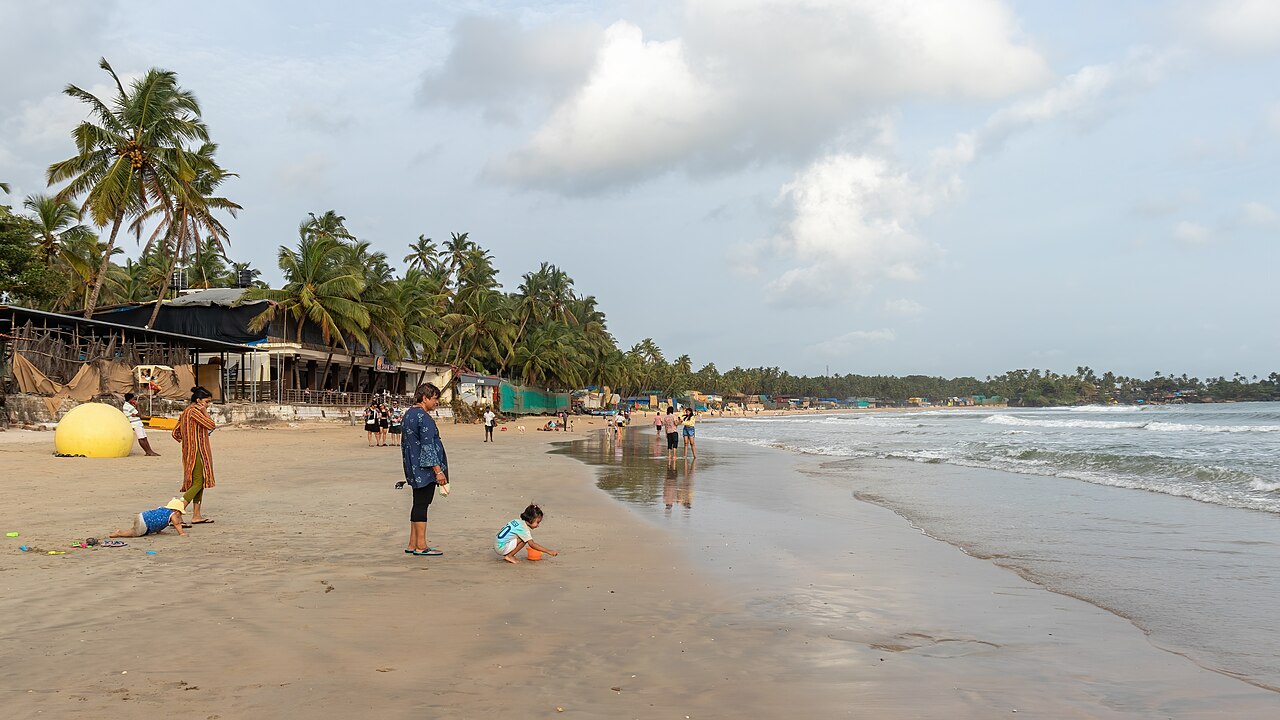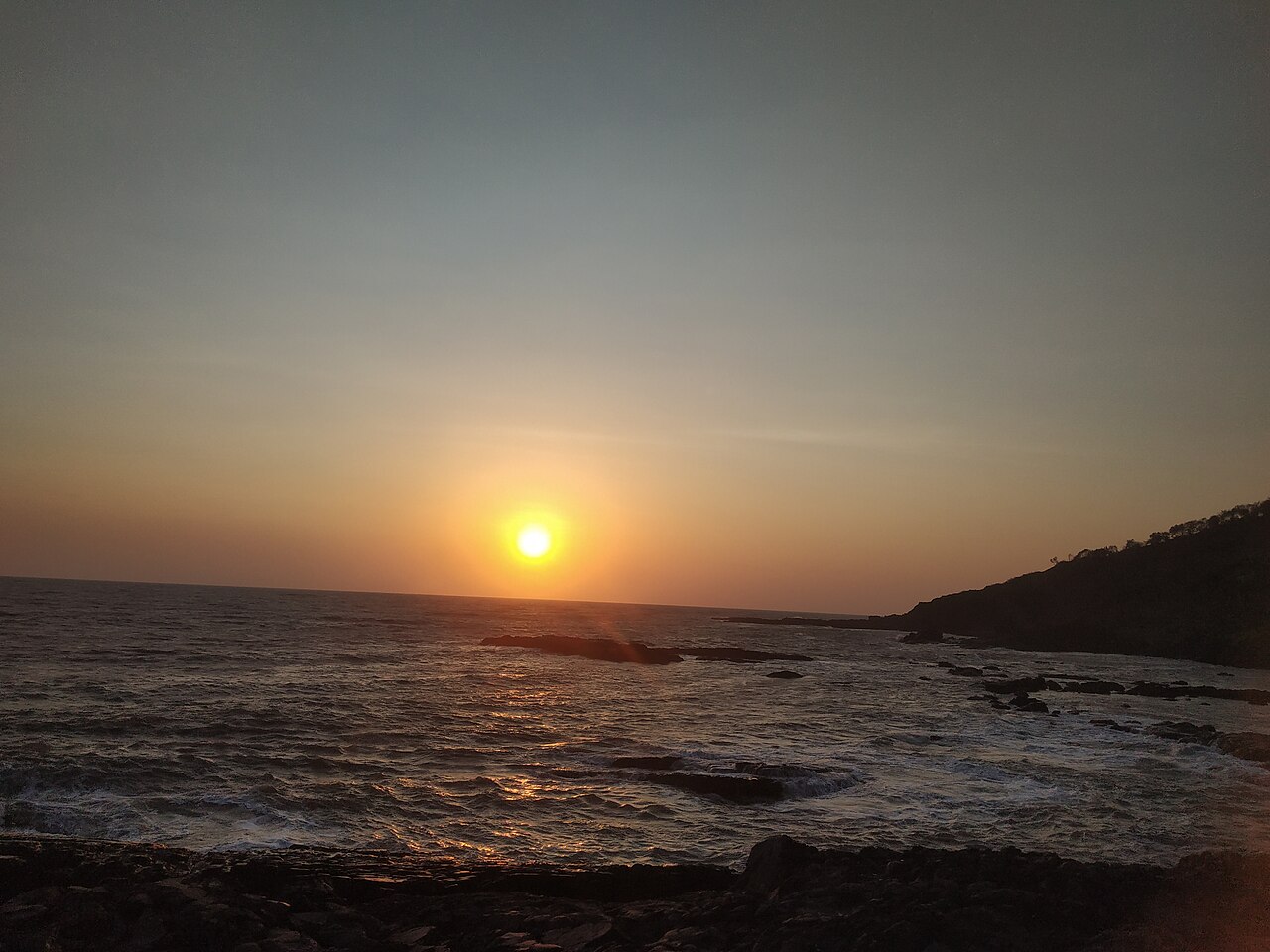
Calangute and Baga form the busiest stretch of coast in north Goa, and for many first-time visitors they are the Goa they picture. Calangute is known as the Queen of Beaches, a seven-kilometre stretch of sand backed by banks, shops, eateries and handicraft stalls, and known for its lively parties and parasailing. Baga lies just to the north, about 25 km from Panaji, and is the centre of the area's nightlife, with famous venues nearby and a wide range of water sports, including parasailing and dolphin cruises. The sea is warm, the sand is broad and the shacks serve fresh seafood and cold drinks under palm-thatched roofs. It is busy and commercial, so it suits those who want action rather than solitude. For something quieter, walk or drive south to Candolim or north to Anjuna and Vagator. The season runs from November to February, when the weather is dry and the sea is calm; during the monsoon, from June to September, swimming is generally unsafe and many shacks close.
Choosing your spot: Calangute is the broadest and most commercial, good for sunbeds, shopping and a lively atmosphere. Baga is more compact, with water sports and the nightlife focus. Candolim to the south is calmer and more upmarket. Pick a lifeguard-patrolled section and swim between the flags where they are set.
What to do: try parasailing or a banana boat ride, take a dolphin-spotting trip from Baga, or simply book a sunbed at a shack and watch the sunset. Water sports prices vary, so agree before you go, and book through reputable operators with life jackets. Markets and handicraft shops line the roads behind the beach.
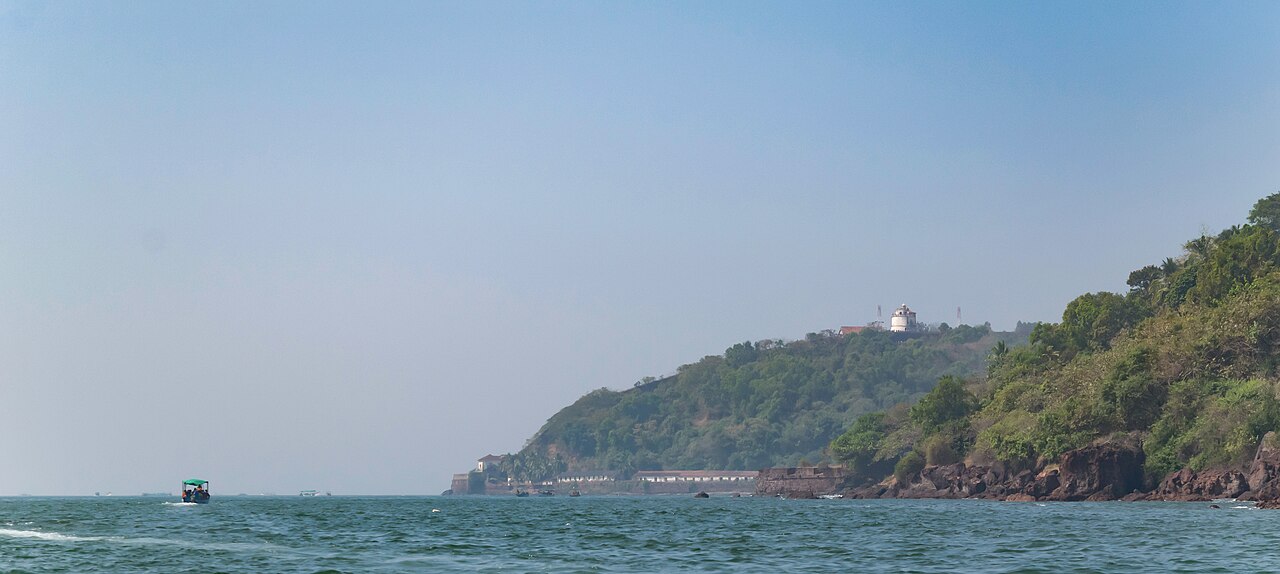
Practical advice: the crowds peak from late December to early January, so book hotels early. Sun protection is essential, and valuables should stay in your hotel safe. The sea can be rough outside the main season. Taxis and scooters are the common ways to get around, and a quieter evening alternative is sunset at Fort Aguada followed by dinner in Candolim.
What to expect
The experience
Open public beaches with sunbeds and shacks, water sports and dolphin trips, and nightlife around Baga after dark.
Best time
November to February for dry weather and calm seas, with mornings and late afternoons the most comfortable.
How long
A half day at minimum, or a full beach day with sunset.
Tips
Swim only in lifeguard-patrolled areas, agree water sports prices in advance, and avoid the beach in monsoon months.
Quick picks
- Best for
- First-timers who want the classic Goa beach scene with plenty of shacks, water sports and nightlife.
- Families
- Calangute has space and facilities, and children enjoy the sand and calm sections, but the sea can be rough, so supervise closely.
- Couples
- Sunset on the sand with a seafood dinner at a shack, then a quieter walk toward Candolim.
- Pair with
- Fort Aguada, a Mandovi river cruise and Panaji.
- Time needed
- Half a day to a full day.
Good questions
What is the difference between Baga and Calangute?+
Calangute is the broader, more commercial stretch known as the Queen of Beaches, with a seven-kilometre sweep of sand. Baga is just to the north, with more water sports and nightlife.
When is the best time to visit?+
November to February offers dry weather and calm seas. The monsoon from June to September closes many shacks and makes swimming unsafe.
Are the beaches free?+
Yes, the beaches are public and free. You pay for sunbeds, water sports and food at shacks.
Is it safe to swim?+
Swim in lifeguard-patrolled areas between the flags and avoid the sea in monsoon conditions. Do not swim after drinking.
Where is quieter?+
Candolim to the south and Anjuna or Vagator to the north are generally calmer. Palolem in the south is quieter still.