Inland from the beaches, the Ponda area is Goa's spice country, a belt of shaded plantations where black pepper vines climb areca palms, cardamom, nutmeg, cinnamon and vanilla grow in the understorey and cashew trees give the state its signature spirit. A plantation visit is as much about the walk as the tasting. A guide shows you the plants, explains how the spices are grown, dried and used in Goan cooking and usually serves a traditional lunch on a banana leaf. The cultural and historic day tour listed here goes further, linking a spice plantation with Old Goa churches and a Hindu temple, which makes it a good first-day overview of Goa beyond the sand. Some plantations also offer elephant rides or similar attractions, and it is worth asking what a given farm offers and choosing the more low-key walk if you prefer. The tours run in the dry season from October to May, when roads are good and the weather is comfortable for walking.
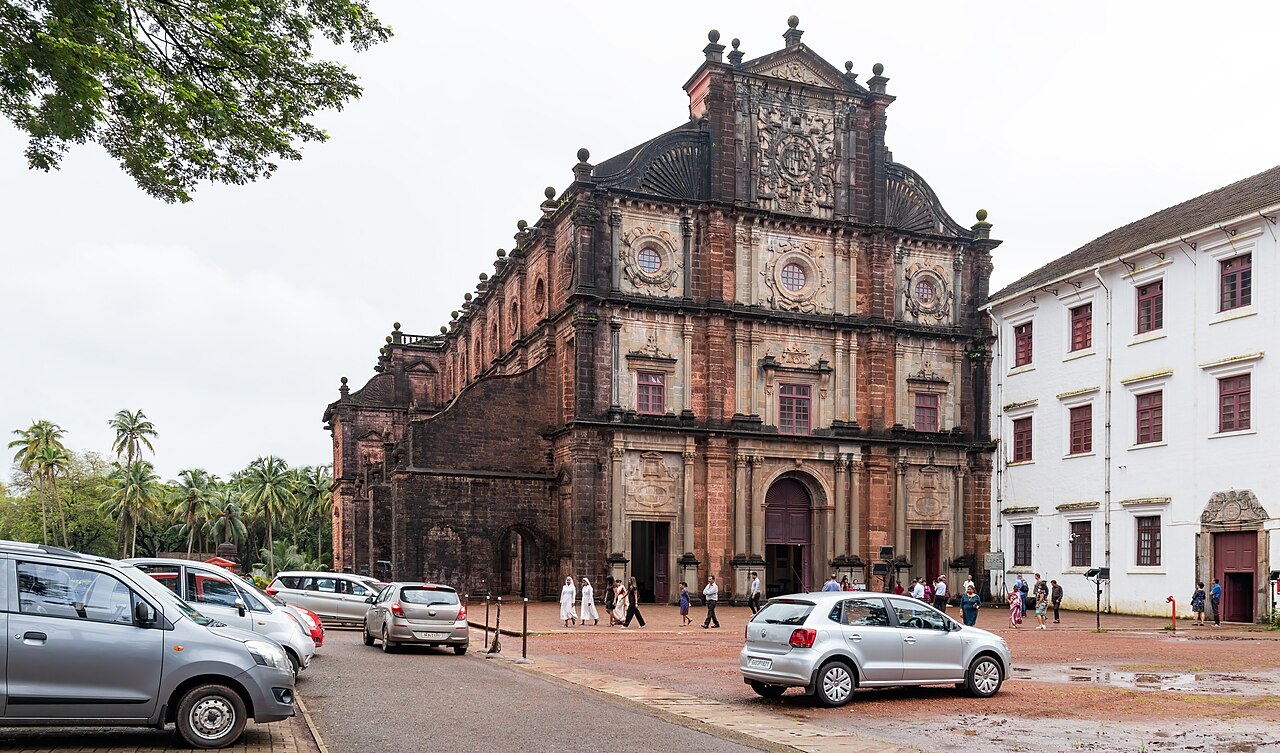
What the tour covers: the churches, temples and spice plantation day tour on offer here typically includes Old Goa's Basilica of Bom Jesus and Sé Cathedral, a temple in the Ponda area and a plantation stop with a Goan meal. It is a full day with a private or small-group driver, which means you can cover far more ground than by public transport.
What you will taste and learn: expect to smell cardamom pods and cinnamon bark, to see vanilla orchids, to watch a demonstration of how areca nut or coconut is harvested and to sample spiced tea or fresh juice before lunch. Many plantations sell fresh spices and cashews, with no obligation to buy, and a bag of whole spices or cashews makes a good Goa souvenir.
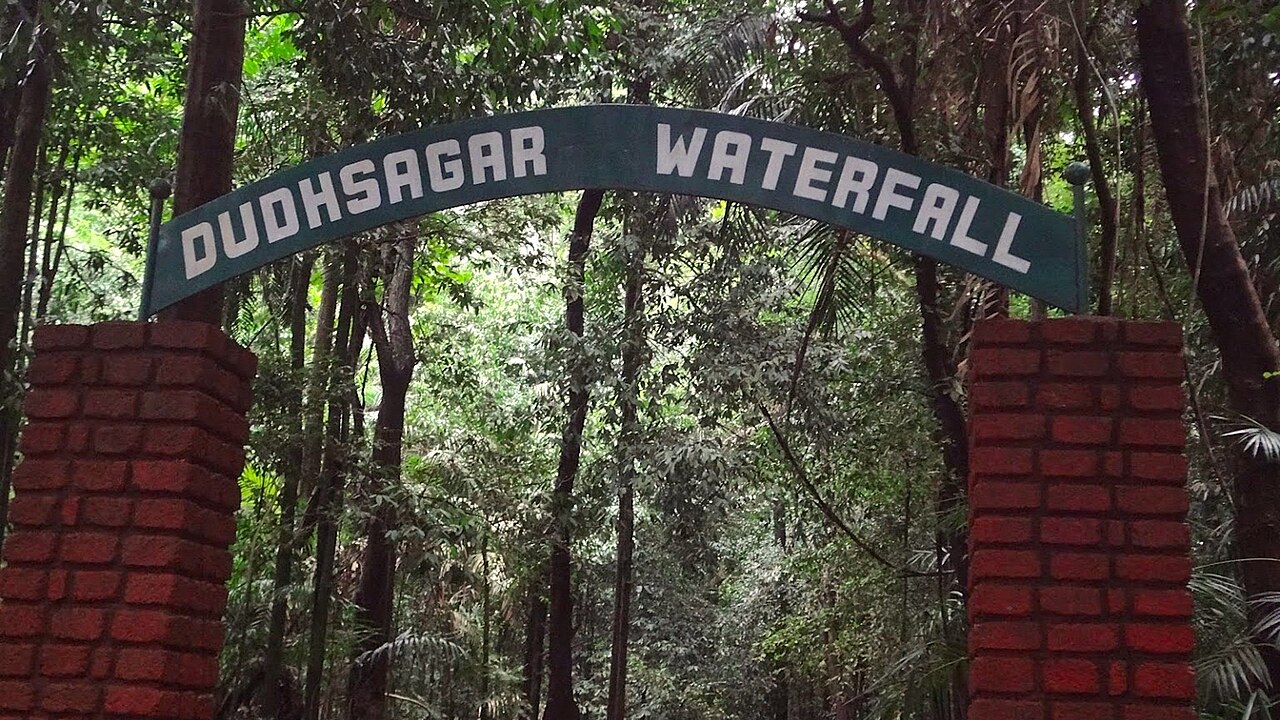
Planning: morning departures work best, since the plantations are shaded but the drive can be warm. Wear comfortable clothes and closed shoes, and cover shoulders and knees for temples and churches. Choose a vegetarian or seafood lunch in advance if you have dietary needs. A plantation stop is also commonly bundled into Dudhsagar day trips, so you can combine the two if you prefer one long day instead of two.
What to expect
The experience
A guided day tour by car linking a spice plantation walk and Goan lunch with Old Goa's churches and a Hindu temple in the Ponda area.
Best time
October to May, with morning departures for cooler temperatures and a relaxed lunch.
How long
About six to eight hours, depending on pickup location.
Tips
Wear light, modest clothing and closed shoes, bring a hat, and let the operator know about dietary needs when you book.
Quick picks
- Best for
- First-time visitors who want a single day that covers heritage, food and the Goan countryside.
- Families
- A good day out for children who like animals and gardens, with room to move at the plantation; ask about the plantation's animal policies in advance.
- Couples
- A slow, flavourful day with a long lunch, easy to book as a private tour for two.
- Pair with
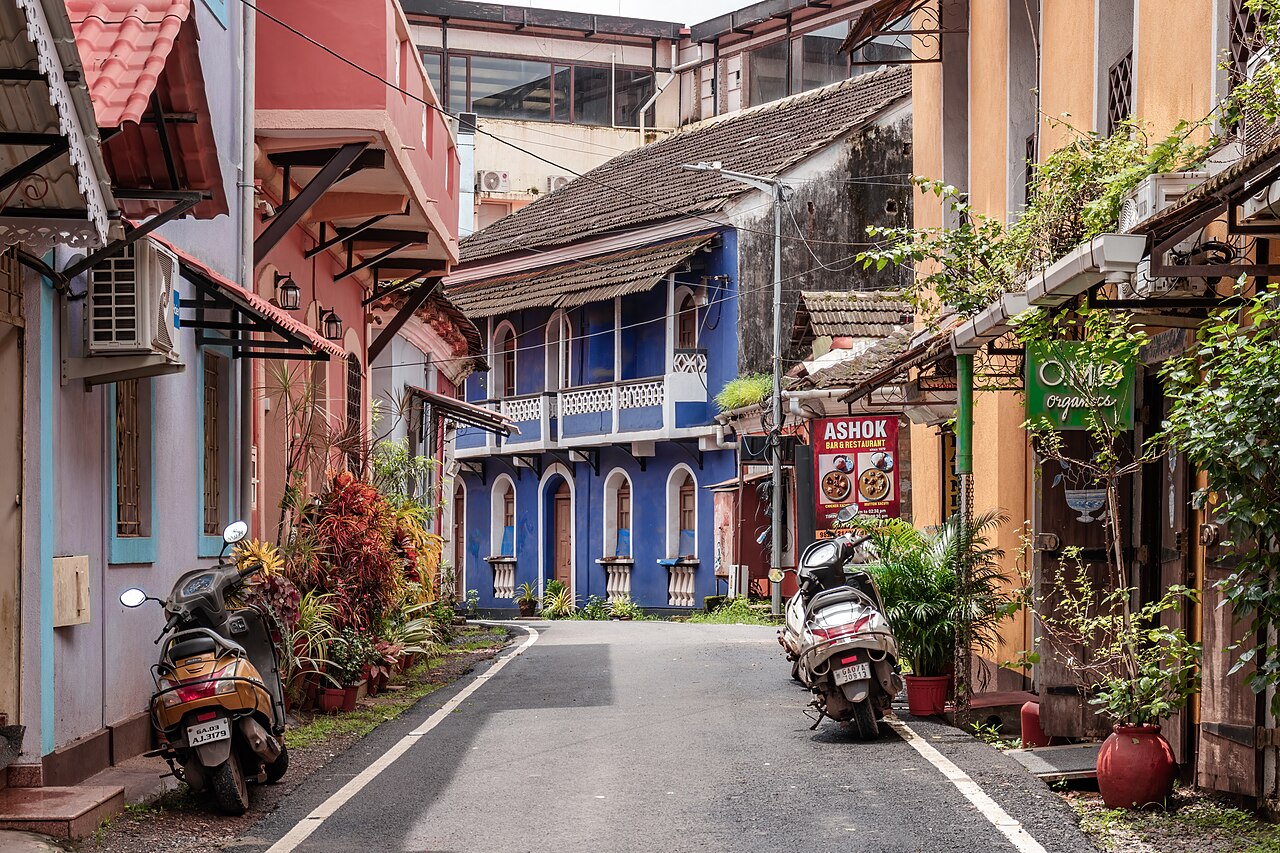
- Dudhsagar Falls, Fontainhas and a beach evening at Palolem.
- Time needed
- A full day.
Good questions
What spices grow in Goa?+
Pepper, cardamom, cinnamon, nutmeg, vanilla and cloves all grow in the Ponda plantations, along with cashew, areca nut and coconut. The guide will show you the plants and explain how each is used.
Is lunch included?+
Typically yes, a traditional Goan meal served at the plantation, but check the tour inclusions when you book. Ask for vegetarian or seafood options in advance.
When is the best time to go?+
The dry season from October to May is ideal. In the monsoon some roads and paths can be slippery and tours may be curtailed.
Is there a dress code?+
Dress lightly for the plantation, with closed shoes, and carry a scarf or wrap for the temple and church stops, which require covered shoulders and knees.
Can I combine it with Dudhsagar?+
Yes. Many day tours link the waterfall with a plantation lunch, but the combined day is long, so start early.