Goa is two destinations in one state: a string of beaches along the Arabian Sea, and an inland and riverside Goa of Portuguese churches, painted lanes, spice plantations and waterfalls. First-timers who see only the sand miss half the place, and those who skip the beach miss the point of a holiday. This guide shows how to fit both into a trip of four to seven days, and what to book before you arrive.
When to go
The season runs from November to February, when the weather is dry and the sea is calm, and it peaks around Christmas and New Year, when prices rise and the beaches fill. March to May is hot, and the monsoon from June to September closes many beach shacks and makes swimming unsafe. Dudhsagar Falls reopened for the 2026-27 season in early October 2026, and it is at its best soon after the rains, so a trip from November onward catches both comfortable weather and good water flow.
What to book ahead
Book hotels first, especially for late December, since the good places fill up months ahead. Then book the few experiences that need a slot. A guided heritage walk through Old Goa and a Fontainhas walk are best reserved a few days ahead, as are the Panaji food and feni trail and the full-day Chorao Island cooking experience. A Dudhsagar day tour is worth booking early in the season, because the jeep service from Collem is regulated, with daily caps and batches of visitors, and it sells out around Christmas.
How to get around
Goa has no metro, and public transport is limited, so most visitors use taxis, a hired driver or a rented scooter. Scooters are cheap but riskier on busy roads, so use a helmet and a valid licence. Ride-hailing is patchy, so ask your hotel to arrange transfers for long distances, such as the airport or Palolem. Goa has two airports, Dabolim in the south and Manohar International at Mopa in the north, and distances to the beaches are long, with the Taj Fort Aguada listing Dabolim at about an hour and a half and Mopa at about an hour and a quarter. Choose your airport with your base in mind.
How many days
Three days covers the north coast beaches, Fort Aguada, a Panaji day with Fontainhas and Old Goa, and one longer excursion. Five days adds Dudhsagar and a spice plantation, plus a river island such as Divar or Chorao. Seven days allows a move south to Palolem for a calmer finish. Do not try to cover the whole state in a weekend, because the distances and the traffic are real.
Where the headline sights fit
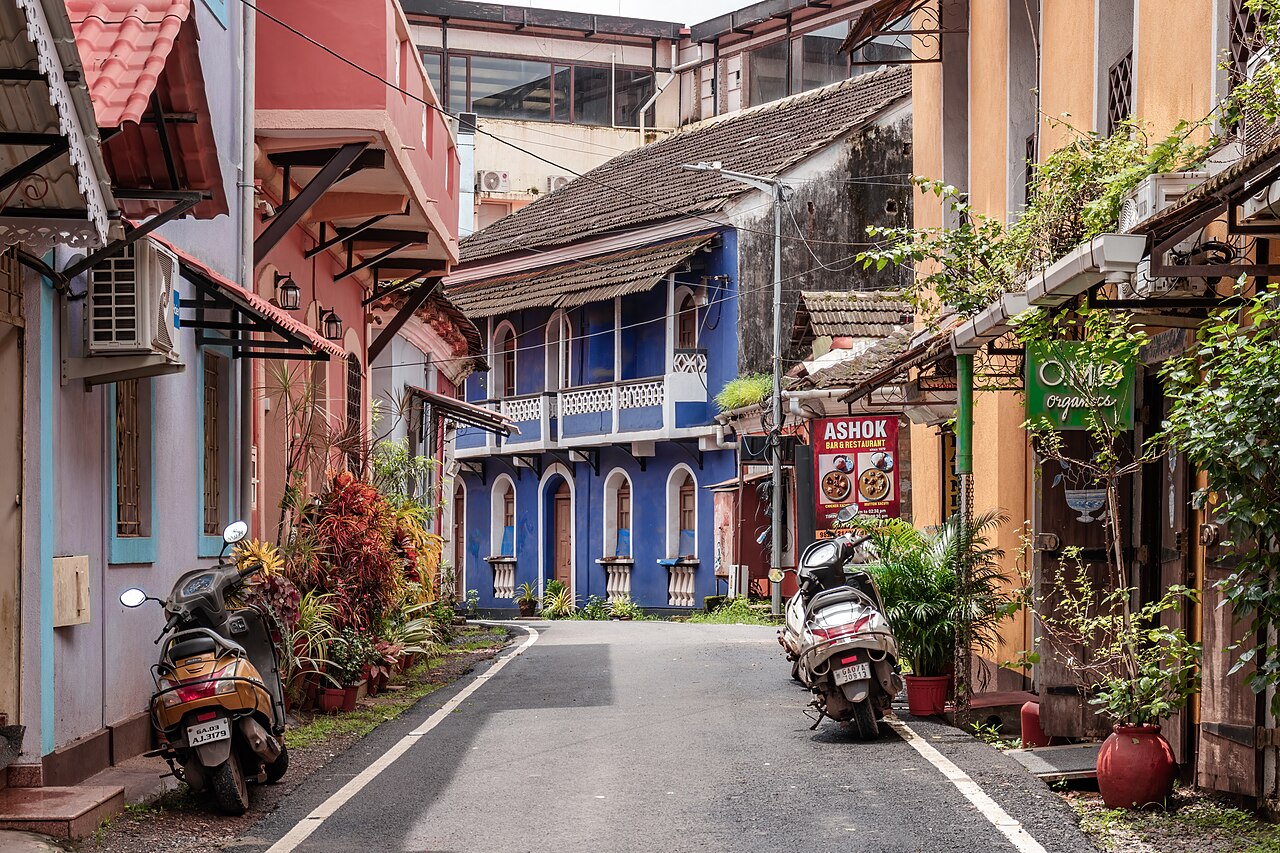
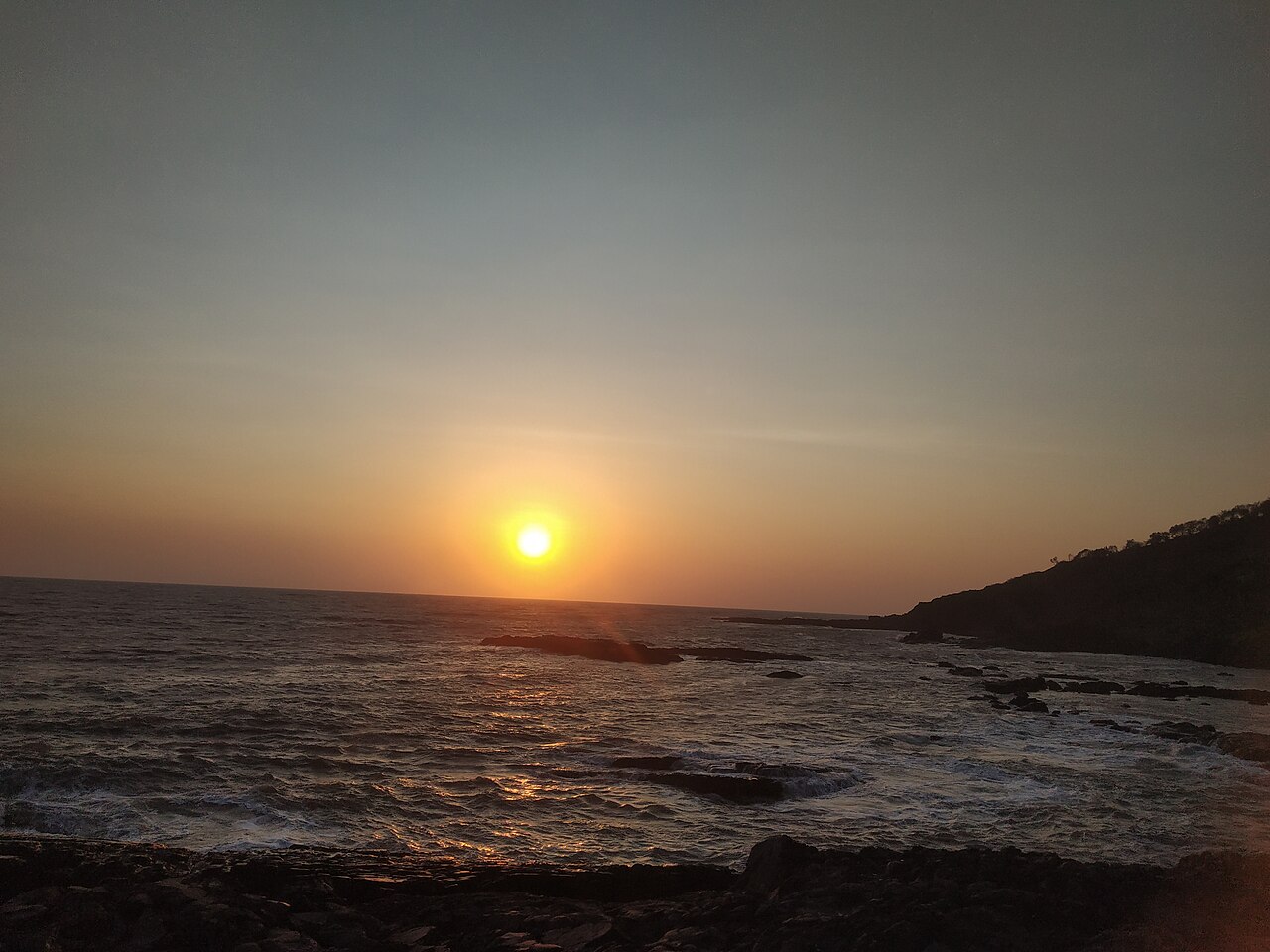
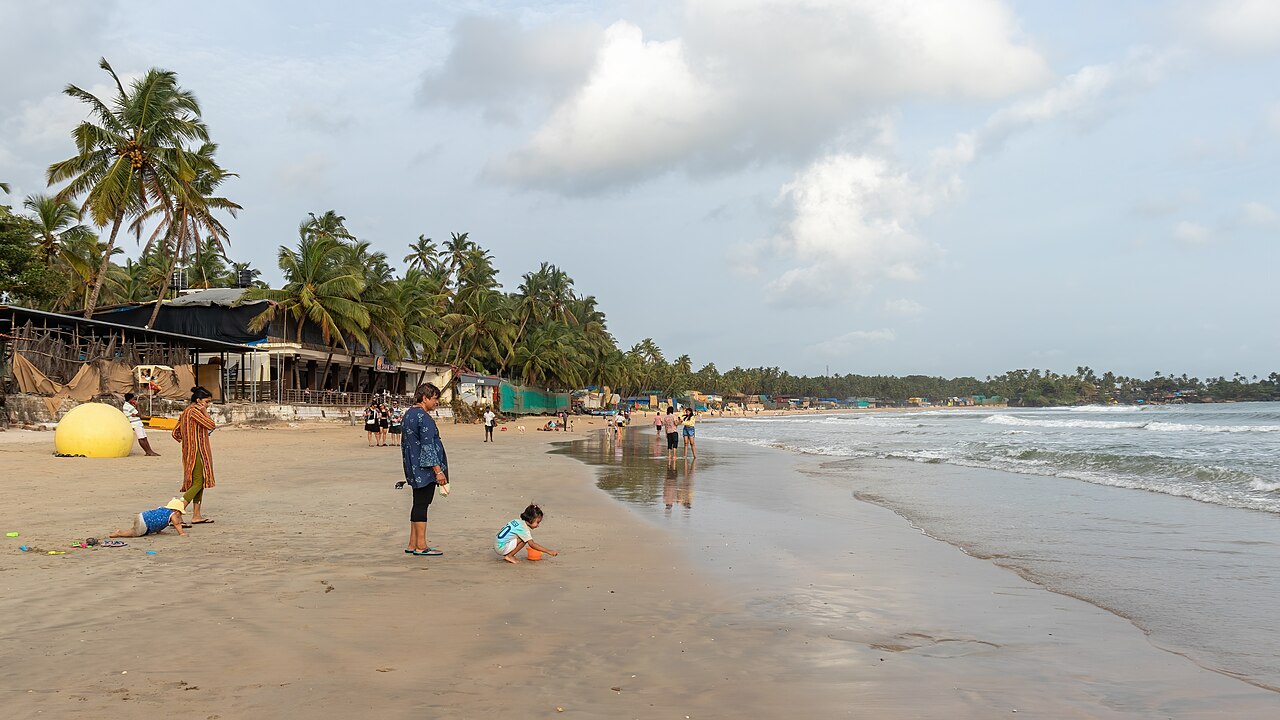
Treat the coast as two zones. In the north, Calangute and Baga are the busy beaches, Candolim is calmer and Fort Aguada, built in 1612, anchors the sunset. In the south, Palolem is a calm crescent bay that suits couples and slow stays. Inland and around the Mandovi, Old Goa's UNESCO churches and the Basilica of Bom Jesus are the heritage highlight, and Panaji's Fontainhas Latin Quarter is the place to see painted Portuguese houses and eat well. Dudhsagar Falls and the spice plantations lie in the east, and are best done as a long day.
Sample plan
Day one, settle on the north coast and watch the sunset at Fort Aguada. Day two, spend the morning in Fontainhas, lunch in Panaji and the afternoon in Old Goa, or do Old Goa in the morning for cooler air. Day three, a Dudhsagar and spice plantation day trip. Day four, a river island or a food and feni evening. Days five and six, move to Palolem for kayaking and dolphin trips, and finish with a lazy day.
Practical notes
Dress modestly for churches and temples, carry sun protection and a refillable bottle, and use lifeguard-patrolled beach sections. Agree prices for water sports and taxis in advance, and keep valuables in the hotel safe. Seasonal beach huts and shacks close in the monsoon, so confirm what is open when you book. Respect residents in Fontainhas and on Divar, where people live in the heritage you have come to see.