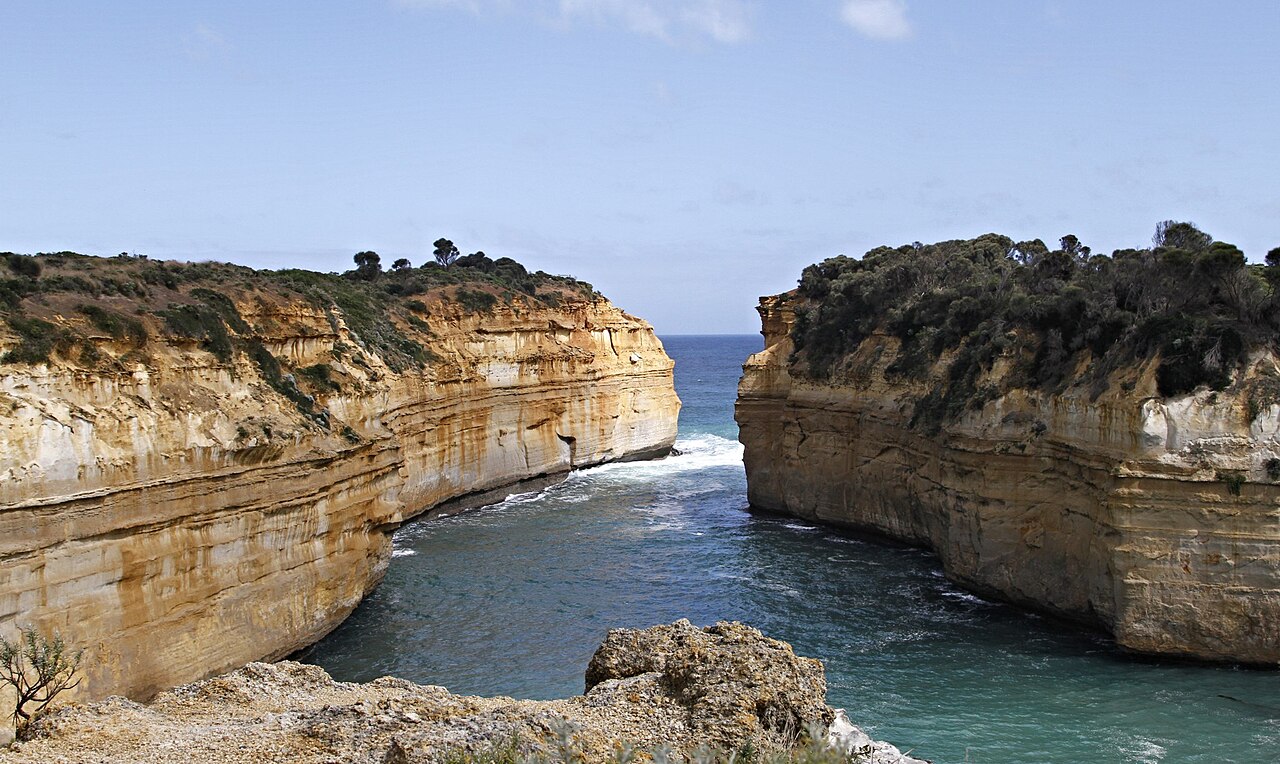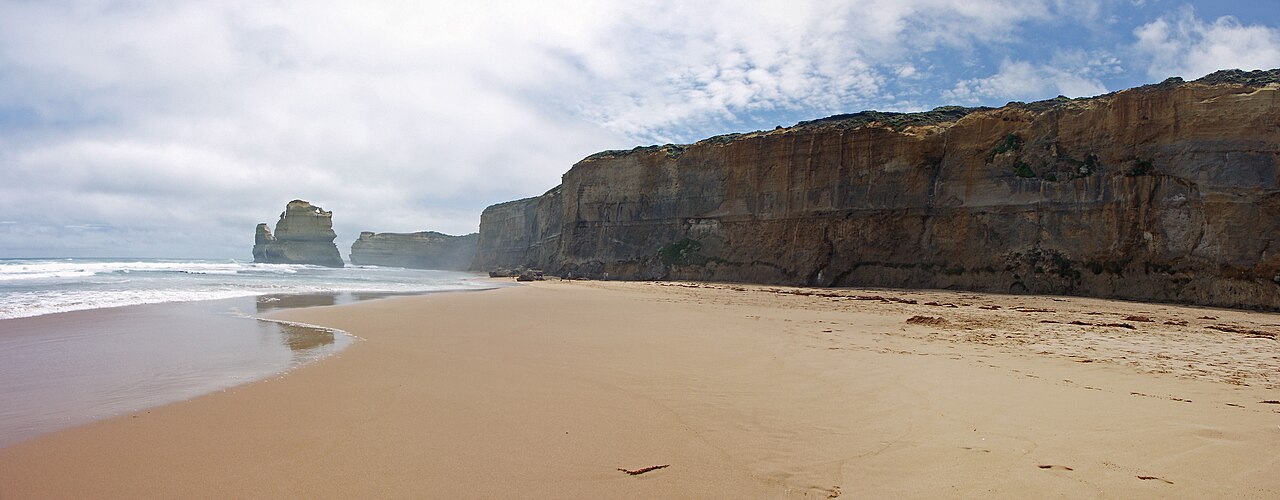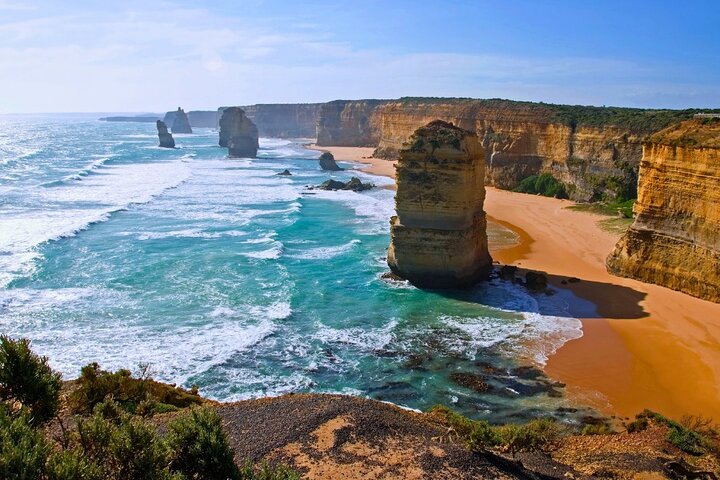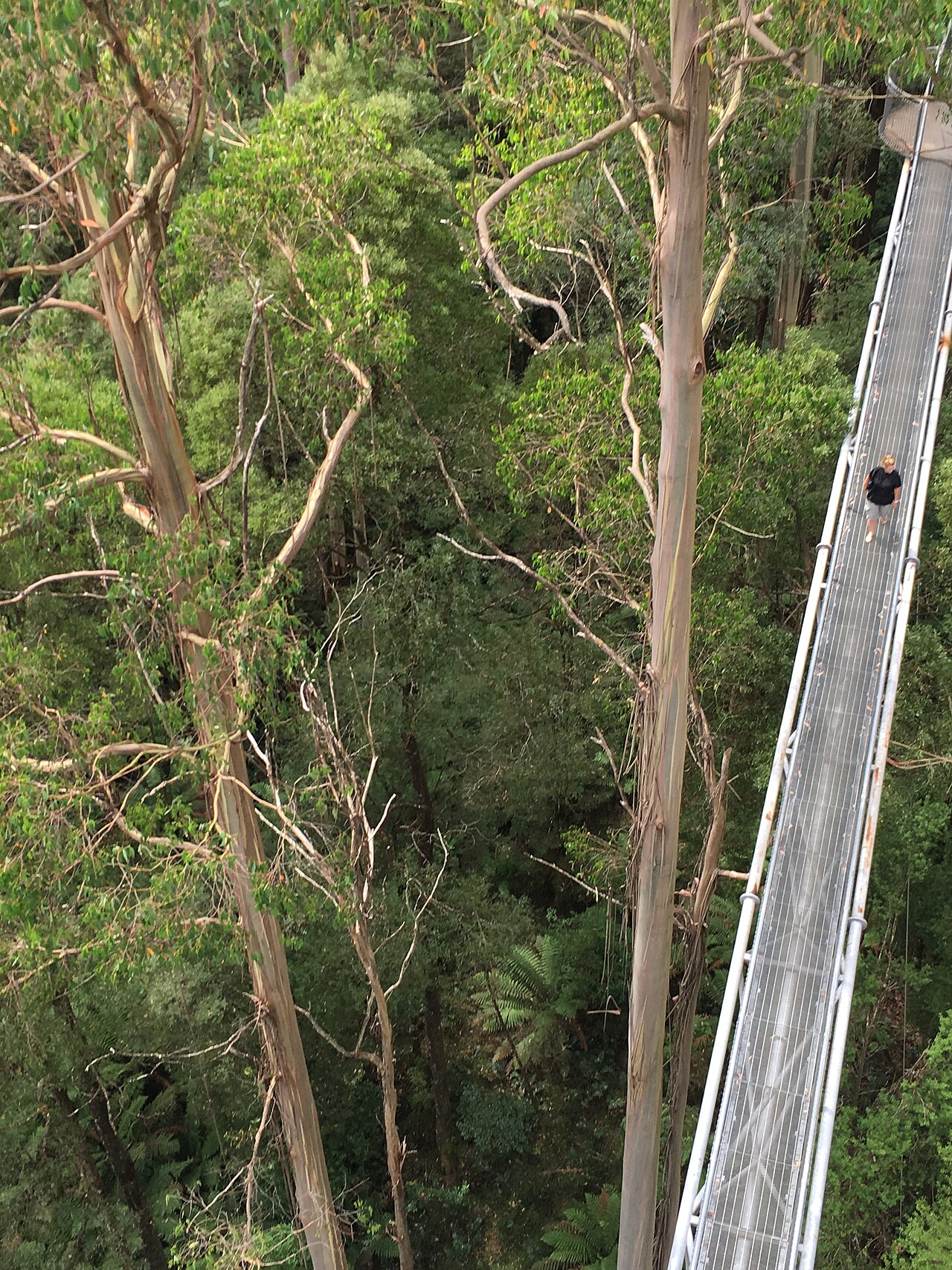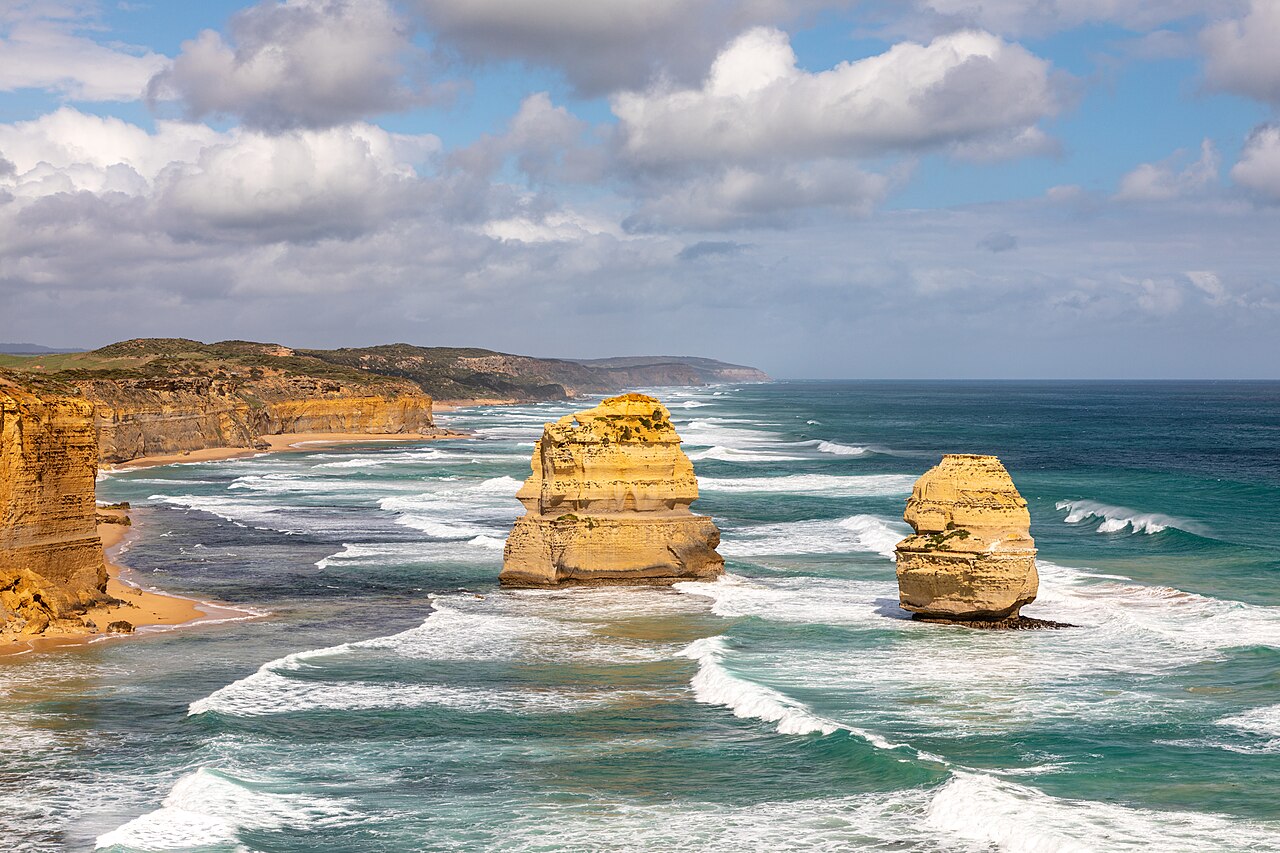
The Twelve Apostles are a line of limestone stacks rising from the Southern Ocean in Port Campbell National Park, roughly 275 km and about four hours by road from Melbourne. The name is generous: only seven of the original twelve remain, though the surrounding coastline holds around 30 formations, and erosion keeps changing the picture. The cliffs, stacks and wide surf-battered beaches are the scenery that most people mean when they say Great Ocean Road. The site has just been rebuilt. The Keerray Woorroong Visitor Centre, run by the Great Ocean Road Coast and Parks Authority, with a cafe, a kiosk, gallery space and a rooftop lookout, and parking for more than 950 vehicles. Sunrise and sunset give the best light, and the crowds peak around sunset.
What is new
The precinct now runs on timed arrivals. Booking before you travel is required, and a booked visit guarantees a parking space at a set time. The amount has not been announced, and details of local and Traditional Owner access are still being worked out. Book through the visitor centre website, and expect the rules to change after April, so check again before you go. Tour operators have guaranteed bus bays, so a guided day trip handles this for you.
Seeing it well
Walk the paths and lookouts, then use the rooftop lookout for a higher view. The nearest town with shops and cafes is Port Campbell, about 12 km to the west. Gibson Steps is about 1 km south and Loch Ard Gorge lies to the north-west, so most visitors link the three in one outing.
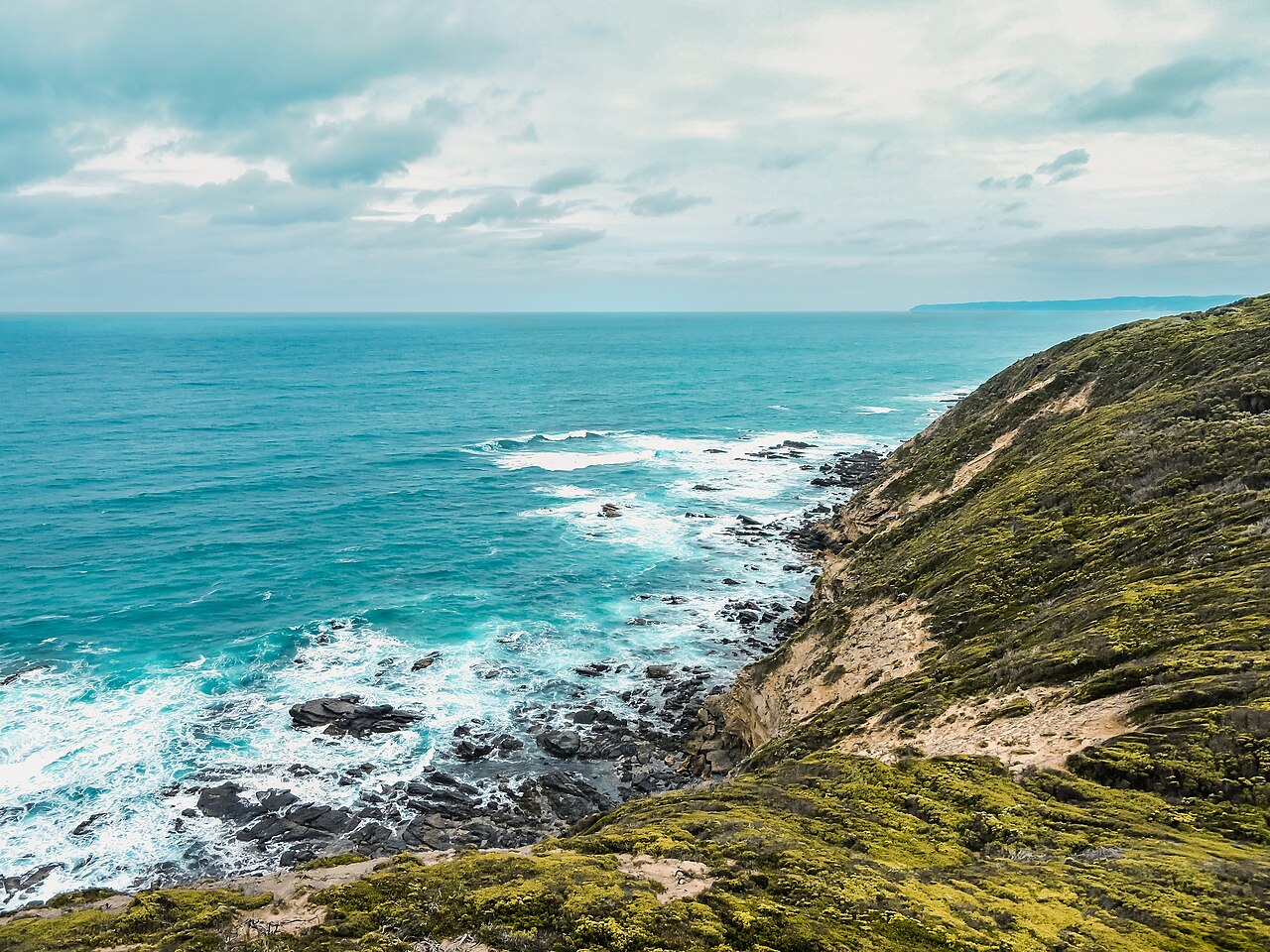
Walkers can take a 7 km section of the Great Ocean Walk from Princetown to the Apostles. The sea here is rough, cliffs are unstable and wind can be fierce, so stay on the marked paths and behind fences.
Timing and alternatives
For fewer people, book the first slot of the day or an early evening slot rather than the sunset peak, and spend a night nearby so you are not driving back to Melbourne in the dark. Helicopter flights from nearby give a completely different view of the stacks. If you want to see the coast without driving four hours each way, a small-group day tour from Melbourne is the easiest option.
What to expect
The experience
A self-guided visit to coastal lookouts and walkways around a new visitor centre, with a booked arrival time and a guaranteed parking space.
Best time
Book the first morning slot or an early evening slot, and expect the busiest crowds around sunset.
How long
Allow one to two hours, more if you add Gibson Steps and Loch Ard Gorge in the same outing.
Tips
Book before you travel, bring a windproof layer, stay behind the fences and keep to marked paths because the cliffs are unstable.
Quick picks
- Best for
- First-time visitors who want the classic Great Ocean Road view, and photographers chasing sunrise or sunset light.
- Families
- The paths are easy and the new cafe and kiosk help, but keep children close to the cliff fences and in the wind.
- Couples
- Book a late afternoon slot, watch the light change on the stacks, then stay the night in Port Campbell or Princetown.
- Pair with
- Pair it with Gibson Steps, Loch Ard Gorge and London Arch, all within a short drive.
- Time needed
- One to two hours at the site, plus the long drive from Melbourne or a night nearby.
Good questions
Do I need to book to see the Twelve Apostles?+
Yes. At the new visitor precinct, a timed booking is compulsory and includes a guaranteed parking space. Book ahead through the visitor centre website.
Is it free to visit?+
The amount has not been announced, so check before you travel.
How many apostles are there?+
Only seven of the original twelve stacks remain, though the coastline has around 30 rock formations. Erosion keeps changing what you see.
How far is it from Melbourne?+
It is about 275 km, roughly four hours by road each way. Many visitors stay near Port Campbell or join a long day tour.
When is the best time to go?+
Sunrise and sunset give the best light, and sunset is the busiest. An early morning slot is the quietest.