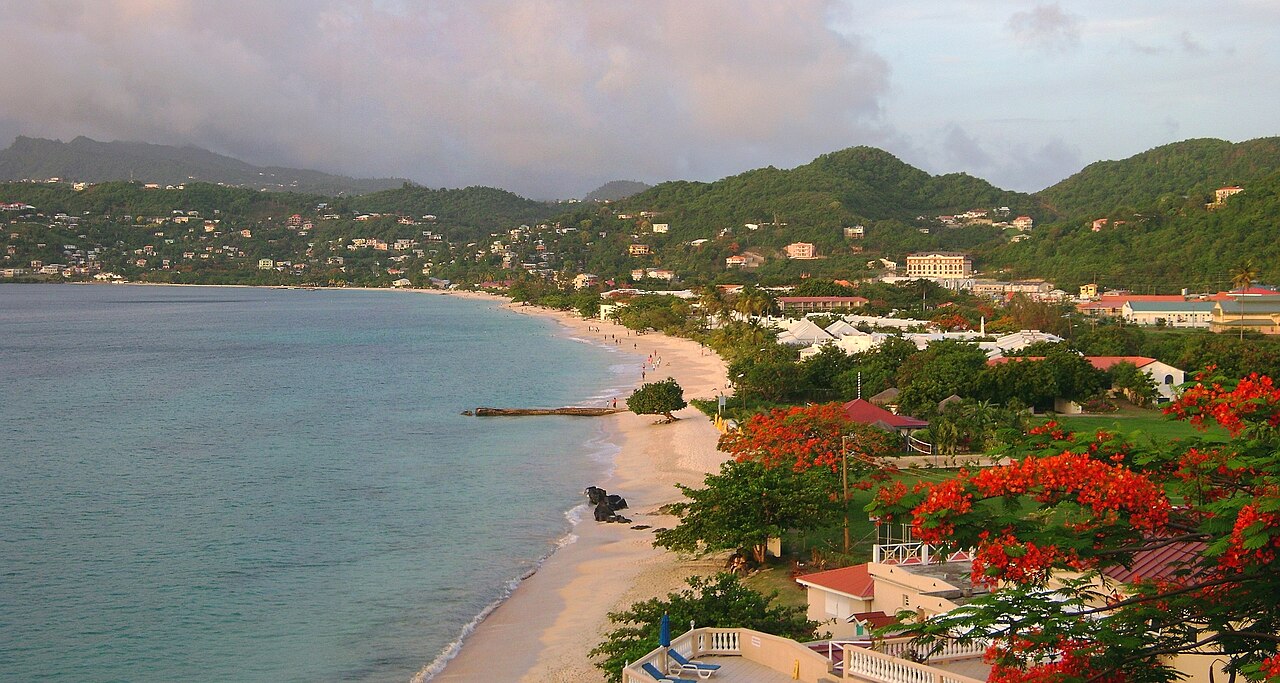
Levera National Park occupies a wide, windswept corner at the northeastern tip of Grenada, in the parish of St. Patrick. It covers roughly 450 acres of coast and wetland, and it is the island's wildest and most natural place. The park is a mix of habitats: a long beach with rolling surf, mangrove swamps feeding a lagoon, a pond ringed by a walking trail, coral reefs offshore and low hills with views to the Grenadine islands. Birdwatchers come for herons, ibises, stilts and snipe, and the park's beaches are a nesting site for endangered leatherback turtles, which come ashore to lay eggs in the warmer months, from about March to July. Because it is far from the resort area, Levera feels remote, and on a weekday it can feel almost empty. It is a favorite for walkers, nature lovers and anyone who wants a break from beach bars.
Why it is worth doing
Levera shows a side of Grenada that most day-trippers never see. The northern coast is dramatic, with Atlantic swells, long beaches and views toward Sugar Loaf island and the Grenadines on a clear day. A boardwalk and trail around the pond make it easy to look for birds, and the quiet is a pleasure after the busier south.
What to know before you go
Swimming on the Atlantic side can be rough, so treat the surf with respect and swim only where it is clearly calm, if at all. Bring insect repellent for the wetland areas, sturdy shoes, sun protection and water, as facilities are limited. Turtle watching is a regulated activity that usually takes place at night with licensed guides, so go with a trained operator and follow the rules: no flash photography, no touching and no crowding the animals. A small fee may apply for entry or activities, so check locally.
Making it work
The park is about an hour or more by road from St. George's, so it suits a full day or a dedicated nature outing rather than a quick cruise-port stop. Many people combine it with a visit to the northern towns or a lunch stop along the coast. Hire a driver who knows the roads, since the northern route is winding, and start early to give yourself time for the beach, the walk and the drive back. Check conditions before you travel, particularly during the wetter months.
Planning the details
The northern part of Grenada is quieter and less developed than the south, so bring everything you need, including snacks, water, sun protection and cash. Mobile coverage can be patchy, so tell someone your plan and agree a pickup time with your driver. Birdwatchers should carry binoculars, wear muted clothing and move slowly along the trail; the early morning hours are the most productive.
Visitors interested in turtles should arrange a licensed night watch in season rather than wandering the beach in the dark, which can disturb nesting animals. After rain the paths can be wet and muddy, so waterproof shoes help. If the weather turns, the park is still pleasant, but the surf and wind can make the beach unwelcoming, so keep a flexible plan and an alternative stop along the coast road.
What to expect
The experience
A coastal national park with a wild beach, mangroves, a pond with a walking trail and a boardwalk.
Best time
Early in the day for birds and cooler weather, and from March to July if you want to join a turtle watch.
How long
Two to four hours in the park, plus the long drive each way.
Tips
Bring insect repellent, water and sturdy shoes, and treat the Atlantic surf with caution.
Quick picks
- Best for
- Nature lovers, birdwatchers and anyone seeking a quiet, wild side of Grenada.
- Families
- Good for walks and beach play, though the surf is rough, so keep children away from the water's edge.
- Couples
- A peaceful, scenic outing far from the resort crowds.
- Pair with
- A northern coast drive, a lunch stop and a stop at the nutmeg station on the west coast.
- Time needed
- Allow most of a day including the drive.
Good questions
Where is Levera National Park?+
It is at the northeastern end of Grenada, in the parish of St. Patrick, roughly an hour or more by road from St. George's.
Can you see turtles at Levera?+
Endangered leatherback turtles nest on the beaches from about March to July. Watching is regulated, so go with a licensed guide.
Is the beach safe for swimming?+
The Atlantic side can be rough, so swim only in clearly calm areas and take local advice on the day.
What birds can I see?+
The wetlands attract herons, ibises, stilts and snipe, among other birds. Early morning is the best time.
Is there an entry fee?+
A small fee may apply for the park or for activities. Check with the Grenada Tourism Authority or locally before you go.