The beaches are the reason this coast exists. Roughly thirty-two miles of shoreline run along Gulf Shores, Orange Beach and out along the Fort Morgan Peninsula, all of it covered in fine, white quartz sand that squeaks underfoot and stays comfortably cool even in the heat. The water is a clear green rather than the tea color of some northern Gulf beaches, and on calm days it takes on a turquoise tint that makes first-time visitors reach for their phones. It is genuinely good beach country: gentle slopes, soft sand, and long stretches where you can walk for miles without hitting a rock. The shoreline is a mix of private condo frontage and public access points, and knowing the difference saves a lot of frustration. In Gulf Shores, the Gulf Shores Public Beach near the pier is the main central access, with parking, restrooms, lifeguard presence in busy seasons and easy walking to restaurants and shops. In Orange Beach, several public accesses such as Alabama Point, Cotton Bayou and Romar Beach provide parking and facilities, with calmer, less built-up surroundings than the central Gulf Shores strip. The Fort Morgan end of the coast, west of Gulf State Park, is quieter still, with fewer buildings, more dune and more space to spread out.
Safety is straightforward but important. Alabama's Gulf beaches use a colored flag system: green means normal conditions, yellow means moderate surf and currents, red means high hazard, and double red means the water is closed to the public. Rip currents are the main danger on this coast and they can form on days that look calm.
Heed the flag, ask a lifeguard if unsure, and never swim alone. If you are caught in a rip, stay calm, swim parallel to the shore until you are out of the current, then angle back in. Jellyfish, including stinging varieties, appear in some seasons, and the beach flags will indicate when they are present.
Beach etiquette here includes protecting nesting sea turtles. From spring through early autumn, turtles come ashore at night to nest, and local rules require that holes be filled in, furniture and umbrellas be removed at night, and lights near the beach be turned off or shielded. Fill in your sandcastle moat before you leave, take everything with you, and do not disturb marked nests. It is also a coast where dogs, fires, alcohol and vehicles on the sand are regulated by city rules that vary, so check before you bring any of them.
Seasons shape the experience. Spring break and summer fill the main beaches from early morning, and the best defense is an early arrival or a late-afternoon visit when the sun softens. Spring and fall are the sweet spots, with warm water by late spring, fewer people and more room. Winter beaches are quiet and cool, wonderful for long walks, though the Gulf is too cold for most swimmers. Hurricane season runs through the autumn, and tropical systems can close beaches, so travel insurance and flexible plans are wise in late summer.
Rentals of chairs and umbrellas operate on the busier beaches, which spares you hauling gear from your car, and most beach access points have showers and restrooms. For a first visit, spend a morning at the public beach near the pier, a sunset at one of the Orange Beach accesses, and an afternoon on the quieter western shoreline.
What to expect
The experience
A long barrier-island coastline of white sand with public access points, lifeguards in busy seasons, chair and umbrella rentals and services nearby.
Best time
Late spring and early fall for the best balance; early morning or late afternoon in summer; winter for solitude.
How long
A morning or afternoon; many visitors spend whole days.
Tips
Check the flag color every time, shield yourself from the sun, protect turtle nests, and arrive early on weekends.
Quick picks
- Best for
- Beach lovers, and anyone who wants a classic Gulf Coast week.
- Families
- Gentle slopes and shallow water in calm conditions; keep kids close, obey flags and use sun protection.
- Couples
- Sunrise and sunset walks, a quiet access point in Orange Beach, and dinner at a beachside restaurant.
- Pair with
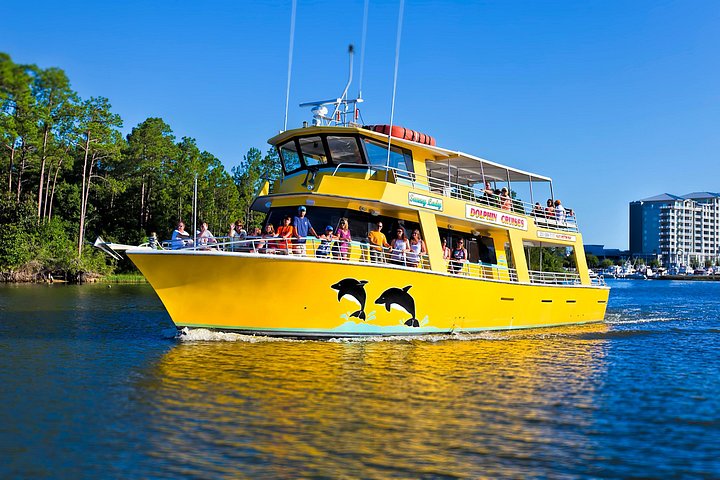
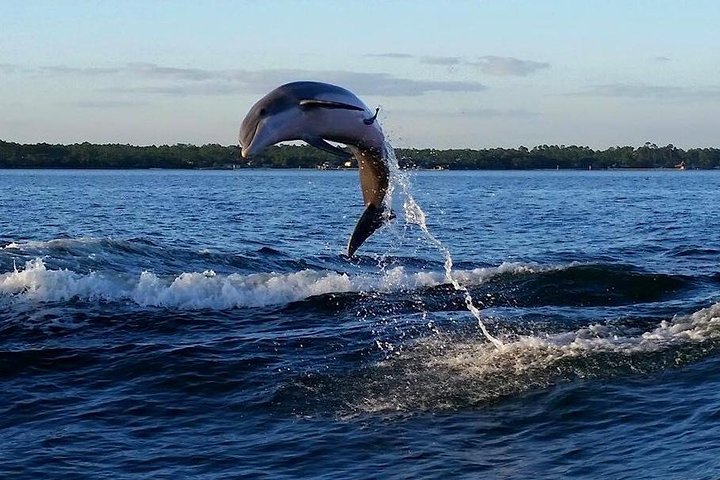
- The Gulf State Park Pier, a dolphin cruise, and The Wharf for an evening.
- Time needed
- At least one full day.
Good questions
Is the beach free?+
Public beach access is free, though some parking areas charge fees. Beachfront in front of resorts and condos is private for guests, so use the signed public access points.
What do the beach flags mean?+
Green means normal conditions, yellow means moderate surf and currents, red means high hazard, and double red means the water is closed. Rip currents can exist on any flag color, so stay alert.
What is the best beach for families?+
Public beaches with lifeguards, restrooms and parking, such as the central Gulf Shores Public Beach, are the easiest. For more space, try the quieter western end toward Fort Morgan.
Can I swim in winter?+
The water is cold from late autumn through early spring, so most people walk rather than swim. The beach is lovely for walking, shelling and bird watching in those months.
Are dogs allowed on the beach?+
Rules vary by city and beach, and often depend on leashes and season. Check current regulations for the specific access point before bringing a dog.