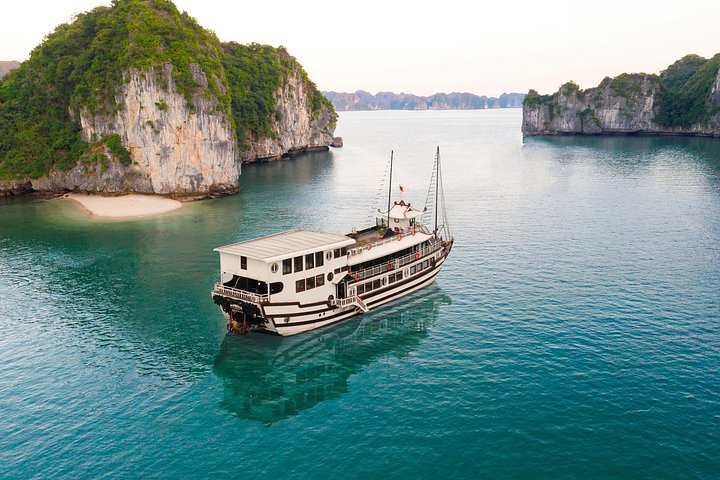
Ha Long Bay can be visited all year, but the experience changes with the seasons more than most first-time visitors expect. The bay lies in a monsoon climate with four distinct seasons by northern Vietnam standards, and cruise itineraries, visibility and even the color of the water shift accordingly. Knowing what to expect helps you decide when to go and how to pack.
Spring
From about March to May, temperatures rise and the bay can be misty or drizzly early in the season, with clearer skies as it warms. Spring is generally comfortable for cruising, with fewer storms than summer, and it is a good time for kayaking and swimming toward the end of the season. Mist can give the islands a dreamy look, but it can also reduce visibility for photographs.
Summer
From roughly June to August, the bay is hot and humid, with afternoon thunderstorms and the risk of typhoons. It is the busiest time for domestic travelers, so boats and hotels are crowded and prices are higher. Swimming is at its best, and the water is warm, but cruises can be altered or cancelled when storms approach. If you travel in summer, build flexibility into your schedule and ask about weather policies.
Autumn
From about September to November, many travelers consider this the most pleasant period. Skies are typically clearer, temperatures are mild, and the light is good for photography. Storm risk drops later in the season. This is peak time for visitors, so book cruises and hotels early, particularly for weekends and public holidays.
Winter
From roughly December to February, the bay is cool and often gray, with fog and drizzle common. Temperatures can feel cold on deck at night, and swimming is generally not appealing. The upside is fewer crowds, lower prices and an atmospheric, moody landscape that photographers sometimes prefer. Bring a warm layer and a rain jacket, and expect some itineraries to be shortened by fog.
Storms and cruise suspensions
Authorities can restrict sailings when storms or high winds are forecast, and cruises may be rerouted or cancelled. This is more likely in summer and early autumn. Ask your operator how they handle cancellations, whether they refund or rebook, and how they communicate changes. Travel insurance that covers weather disruption is worth considering.
Best time for activities
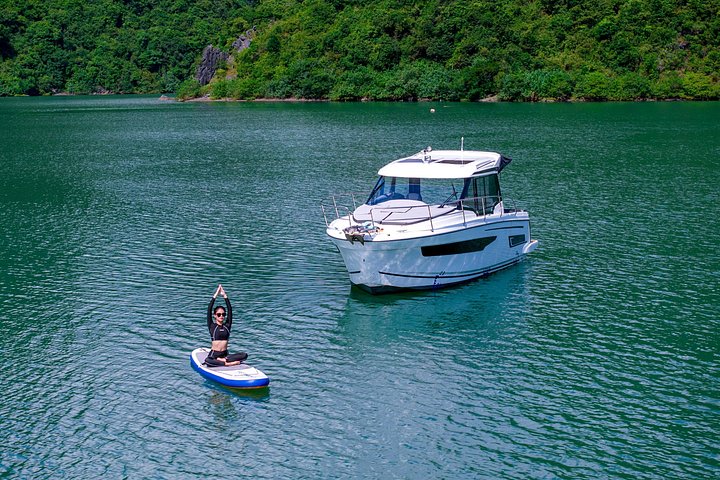
Kayaking and swimming are best in warm, calm months, while trekking on Cat Ba is more comfortable in spring and autumn. Sunsets are most vivid in clear weather, usually autumn and spring, though winter sunsets arrive earlier. Photographers may enjoy winter mists or autumn clarity.
Crowds and prices
Weekends and national holidays are busy year-round. Midweek travel in shoulder periods offers a better balance of price and atmosphere. If you have flexibility, choose a weekday cruise and avoid the major holiday weeks.
Packing by season
Spring and autumn: light layers, a rain jacket, sun protection. Summer: breathable clothing, sunscreen, a hat and a waterproof bag. Winter: a warm jacket, long trousers and closed shoes for the deck.
Our pick
If you can choose, aim for autumn or late spring and travel midweek. If you can only go in summer or winter, the bay is still worth it, but go with realistic expectations and a flexible plan.
Tet and festivals
The Lunar New Year holiday falls in late January or February and is a major travel period for Vietnamese families. Some businesses close for several days, while hotels and boats in popular areas fill up. The weeks around it can be festive but crowded, so book far ahead or choose different dates. Other public holidays also cause surges, particularly around the end of April, early May and early September.
Water temperature and swimming
Warm months from late spring through early autumn are best for swimming, when the sea is comfortable and day temperatures high. In cooler months, many cruises still stop for a swim, but few guests take it. If swimming is a priority, choose summer or early autumn, and choose a route that includes beach or lagoon stops.
Reading the forecast
Check the marine forecast and the cruise operator's messages in the days before departure, not only the city weather, since wind over the open water matters more than rain. Operators often confirm or change plans the evening before, so keep your phone on and your hotel contact handy.