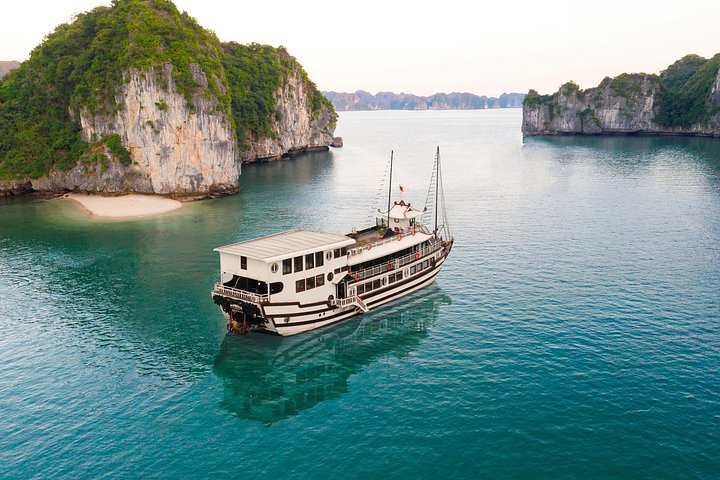
An overnight cruise is the signature experience of the bay, and it is also where travelers make the most expensive and confusing decision. Hundreds of boats sail similar routes, many with similar names, photographs and promises. The good news is that most cruises share the same core ingredients: a seafood lunch, a cave or island stop, kayaking, sunset on deck, a cabin and a breakfast. The differences lie in the details, and a few simple questions will help you find the right boat.
Start with the bay
Central Ha Long Bay has the best-known caves, such as Sung Sot, and the most boats. Lan Ha Bay is quieter, with lagoons and beaches, and it is the best choice if swimming and kayaking matter. Bai Tu Long Bay is the farthest from the city and the most peaceful. Our Lan Ha and Bai Tu Long entries explain each in detail. If you are unsure, a route through Ha Long and Lan Ha gives a taste of both, and many itineraries are built that way.
Boat type
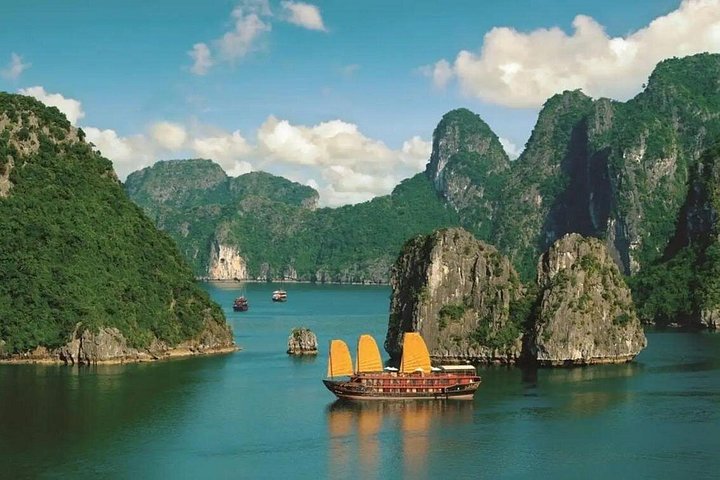
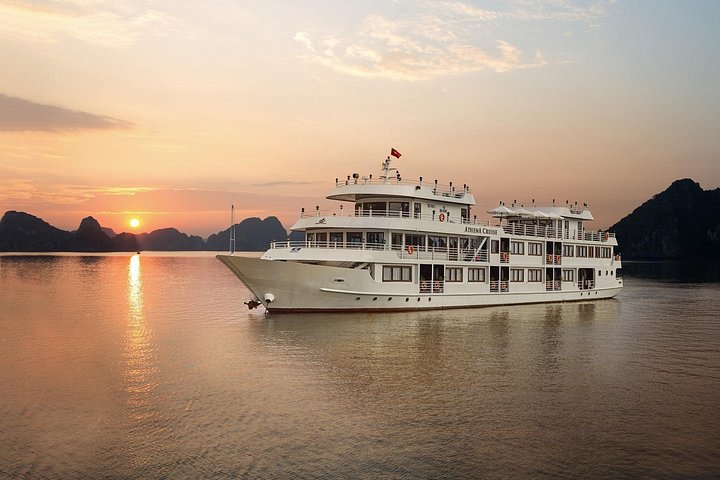
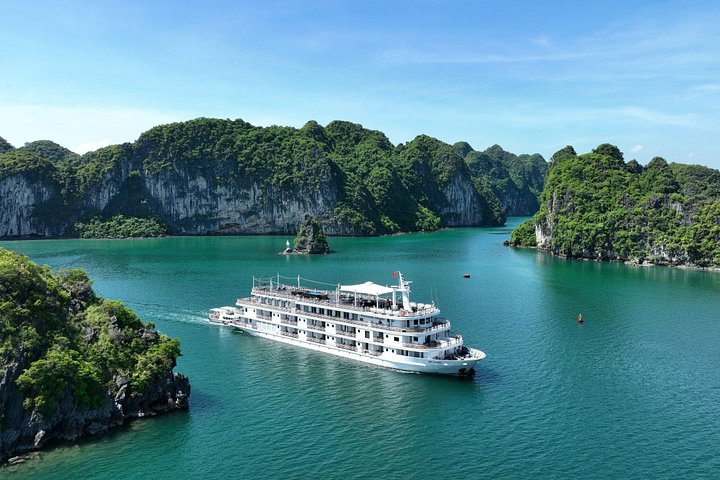
The classic wooden junk is the traditional choice: cabins with private bathrooms, a small sun deck, and a set menu. It has atmosphere and is the standard for many mid-range cruises. Newer steel-hulled ships styled like junks tend to be larger, with more public space and stronger air conditioning. Luxury cruises add balconies, spa corners, bigger dining rooms and more staff. The best choice depends on whether you value character, comfort or privacy.
Star labels
Cruises advertise three, four, five and even six stars, but there is no single enforced standard, and labels are applied loosely. Treat them as marketing. Instead, read recent guest feedback for specifics: cabin size, bed comfort, noise, cleanliness, food quality and how well the crew communicate. Look at photographs of the actual cabin category you plan to book, not only the ship exterior.
Cabin categories
Standard cabins may have a window or no window, and balcony cabins cost more. If you plan to spend little time inside, a standard cabin is fine. If you want to watch the sunrise from bed or work on your photographs, pay for a balcony. Ask about cabin location, since lower decks can be noisier from engines and generators, and upper decks can be affected by wind.
One night or two
One night gives you the main experience and fits tight schedules. Two nights allow a slower pace and visits to hidden caves and quiet lagoons, and are good for repeat visitors. Three-day itineraries often include a night on Cat Ba Island or extra kayaking and cycling. Because the first and last days are partly consumed by transfers, a two-night cruise gives a full day on the water without time pressure.
Seaplane and private options
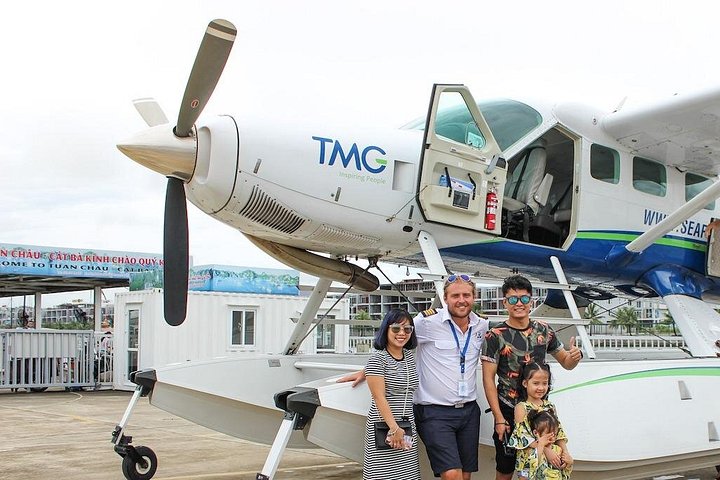
Some programs combine an overnight cruise with a seaplane flight, which adds an aerial view of the bay. They depend on weather and are pricier, so check cancellation terms. For a special evening, a private sunset yacht charter offers privacy without an overnight commitment. Both are extras rather than replacements for a standard cruise.
Questions to ask before you pay
What exactly is included, such as transfers, cave tickets, kayaks and drinks? What are the pickup and drop-off points? What happens if weather cancels the cruise? How many passengers will share the boat? Can dietary needs be met? Is there a single supplement for solo travelers? Clear answers signal a professional operator.
Etiquette and tips
Tipping the crew is customary but optional; a small amount at the end is appreciated. Pack light, bring a warm layer for cooler months and sunscreen for the rest, and expect limited Wi-Fi. Seasickness is uncommon on the sheltered bay, but bring medication if you are prone. Be on time at the meeting point, since boats leave on schedule.
Our shortlist approach
For a first visit and a modest budget, choose a well-reviewed classic junk on a central route. For quieter water, choose a Lan Ha or Bai Tu Long cruise. For comfort and privacy, choose a larger luxury ship. For a once-in-a-lifetime view, add the seaplane. And if the schedule is tight, a day cruise to Sung Sot Cave and Ti Top Island still delivers the highlights.
Food on board
Meals are usually set menus built around seafood, rice, vegetables and spring rolls, served family style or plated depending on the ship. Vegetarian, vegan and allergy needs are normally met if you tell the operator before boarding, not on the day. Drinks are often charged separately, and prices on board can be higher than ashore, so ask for a drinks list. If you are particular about coffee or wine, bring your own preferences in mind and ask what is stocked.