Climbing Mount Fuji is one of Japan's great rites of passage, and each summer many thousands of people make the ascent. At 3,776 metres, Fuji is the country's highest peak, and the effort is rewarded by a view from the summit crater rim, with the chance to watch sunrise from above the clouds. There are four main trails, with the Yoshida Trail from the Kawaguchiko side the most popular because of its facilities, mountain huts and access from Tokyo. The climbing season is short, running roughly from early July to early September when the trails and huts are open and snow has melted, and outside that window the mountain is dangerous and unsupported. Most climbers either walk through the night to reach the summit by dawn or break the ascent with a night in a mountain hut, which is generally the more comfortable and safer approach. The climb is not technical, but it is a long, cold and tiring day at altitude and should be taken seriously.
Preparing
Fitness helps, but acclimatisation and pacing matter even more. Spend some time at the Fifth Station before you begin, walk slowly, drink water and eat regularly. Altitude sickness is common, and the weather above 3,000 metres can change from sunny to freezing and windy in minutes, so you need proper layers, waterproofs, gloves, a hat, a headlamp and sturdy hiking shoes.
Booking mountain huts in advance is essential in peak weeks, since they sell out, and they provide basic bunks, simple meals and a place to rest. Many visitors choose a two-day guided tour, such as the one linked here, which sorts out transport, huts and route finding, and helps if you are new to mountain hiking.
\n\nRules and responsibility: access rules for the Yoshida Trail have become stricter in recent seasons to manage crowding and safety, with measures such as a climbing fee, daily limits and reservations for entry in busy periods. Details change, so check the current regulations on the trail information sites before you travel. Do not attempt a so-called bullet climb, where people go up and down without resting, because it greatly increases the risk of altitude problems and is actively discouraged.
Carry out all your rubbish, use the toilets provided, and stay on the marked trail. Rescue is difficult in bad weather, so be ready to turn back if conditions worsen, and never climb out of season without expert guidance.\n\nWho it suits: reasonably fit adults and teenagers with good determination can reach the top, but it is demanding, and people with heart, lung or serious joint problems should seek advice.
It is not suitable for small children. Many hikers say the descent is as tiring as the ascent because of loose volcanic gravel, so trekking poles can be helpful.
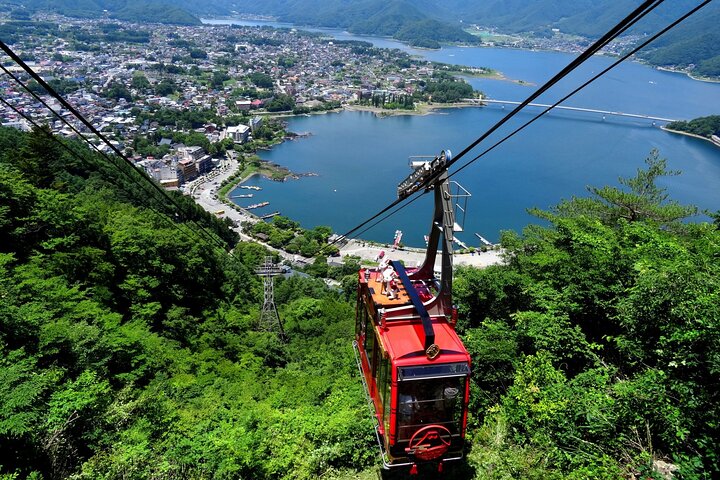
If you would rather enjoy the mountain without the effort, the Fifth Station, the Kawaguchiko ropeway and the lake viewpoints provide lasting views without the climb. For those who do commit, the combination of a night under the stars, a summit sunrise and the slow descent through the clouds is often the highlight of a trip to Japan, and the sense of having stood on the top of the country stays with you long after the aches fade.
What to expect
The experience
A strenuous multi-hour ascent of Mount Fuji on a marked trail, usually with a night in a mountain hut and a summit sunrise.
Best time
The summer climbing season, roughly early July to early September, when trails and huts are open.
How long
Two days including the ascent, a hut night and the descent.
Tips
Pace yourself, pack warm layers and waterproofs, book huts early and check current access rules.
Quick picks
- Best for
- Fit, determined travellers who want to stand on top of Japan.
- Families
- Not suitable for small children; teenagers need good fitness and preparation.
- Couples
- A shared challenge and a sunrise to remember, if both are well prepared.
- Pair with
- The Fifth Station, Lake Kawaguchiko and a hot spring soak afterwards.
- Time needed
- Two days, with a rest day afterwards.
Good questions
When can you climb Mount Fuji?+
The climbing season runs roughly from early July to early September, when trails and huts are open. Outside this period the mountain is dangerous.
How long does the climb take?+
Most people need several hours up and a few hours down, often split across two days with a night in a hut. Pace depends on fitness and altitude.
Do I need to book mountain huts?+
Yes, in peak weeks they sell out, so reserve early. A guided tour usually arranges this for you.
Is a guide necessary?+
It is not mandatory on the main trail, but a guided tour handles logistics and helps with safety and pacing for first-timers.
Can I climb in the off season?+
This is strongly discouraged, because winter conditions are severe and there is no support. Only experienced climbers with proper equipment and guidance should consider it.