The Old Tokaido Road was the great highway of Edo-period Japan, linking Edo, the old name for Tokyo, with Kyoto, and the crossing of the Hakone mountains was one of its most difficult and most famous sections. Travellers, daimyo processions and merchants all had to climb over the pass, stopping at the Hakone checkpoint where papers were inspected. Parts of that road still survive in Hakone, including sections of original stone paving laid to keep feet out of the mud and long stretches of cedar avenue planted alongside the road centuries ago to shade travellers. Walking here is a quieter, more atmospheric alternative to the ropeway circuit, trading gondolas for old stones, moss and the sound of the forest. The best-known section runs near Moto-Hakone and Hakone-machi beside Lake Ashi, where tall cedars line the roadside in a deep green tunnel, while longer hiking routes climb into the hills toward the old pass, passing small shrines, stone markers and rest stops.
The cedar avenue
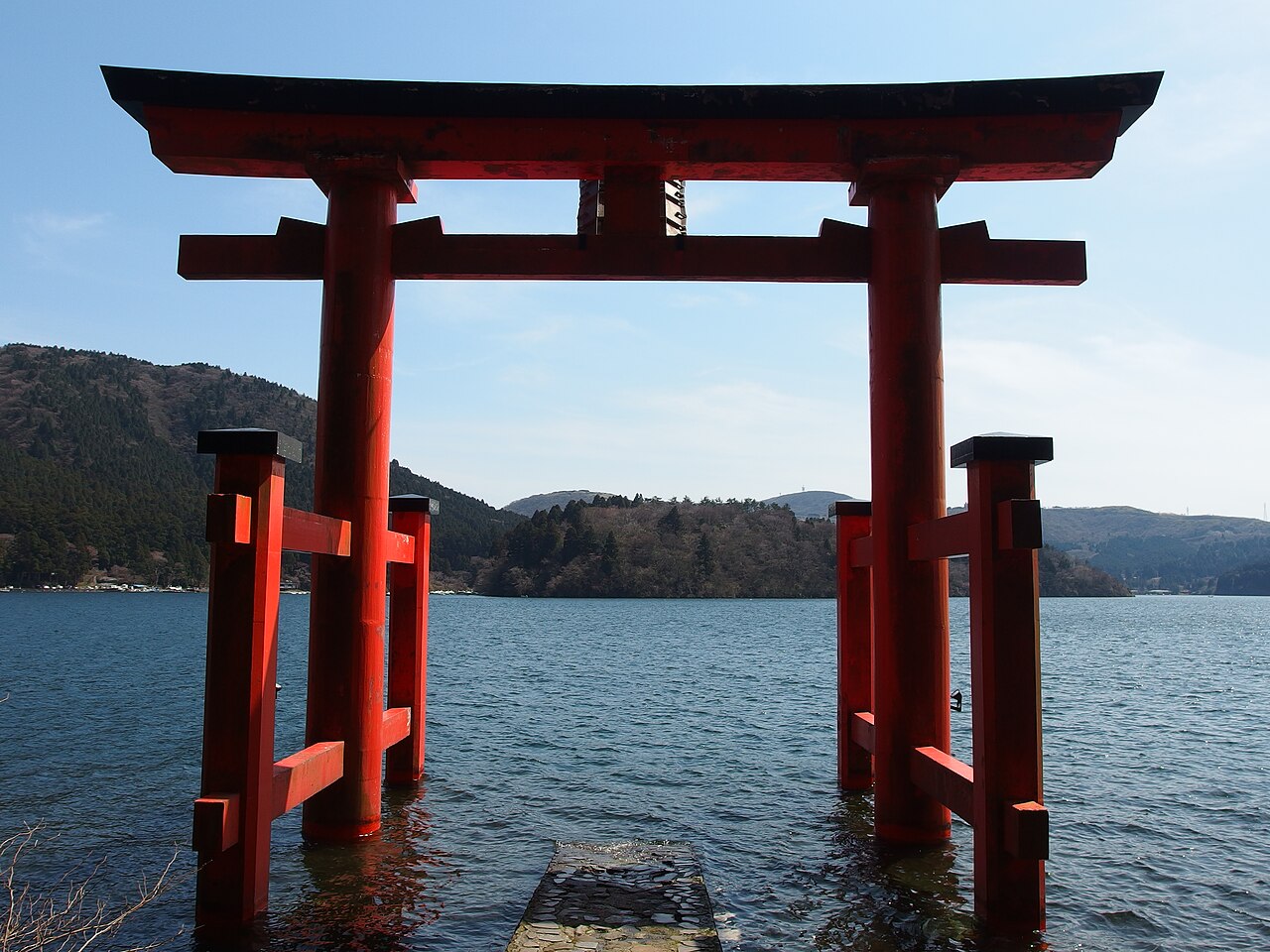
This is the easiest part to visit, and it needs no special preparation. The avenue runs along the lakeside road between the ports of Moto-Hakone and Hakone-machi, a gentle walk of a kilometre or so, and its trees are several centuries old. It is a pleasant, shaded path in summer, a golden one in autumn and a hushed one in winter. Many visitors combine it with Hakone Shrine and its torii, and with a visit to the Hakone checkpoint, a reconstruction of the barrier that controlled travellers on the road.
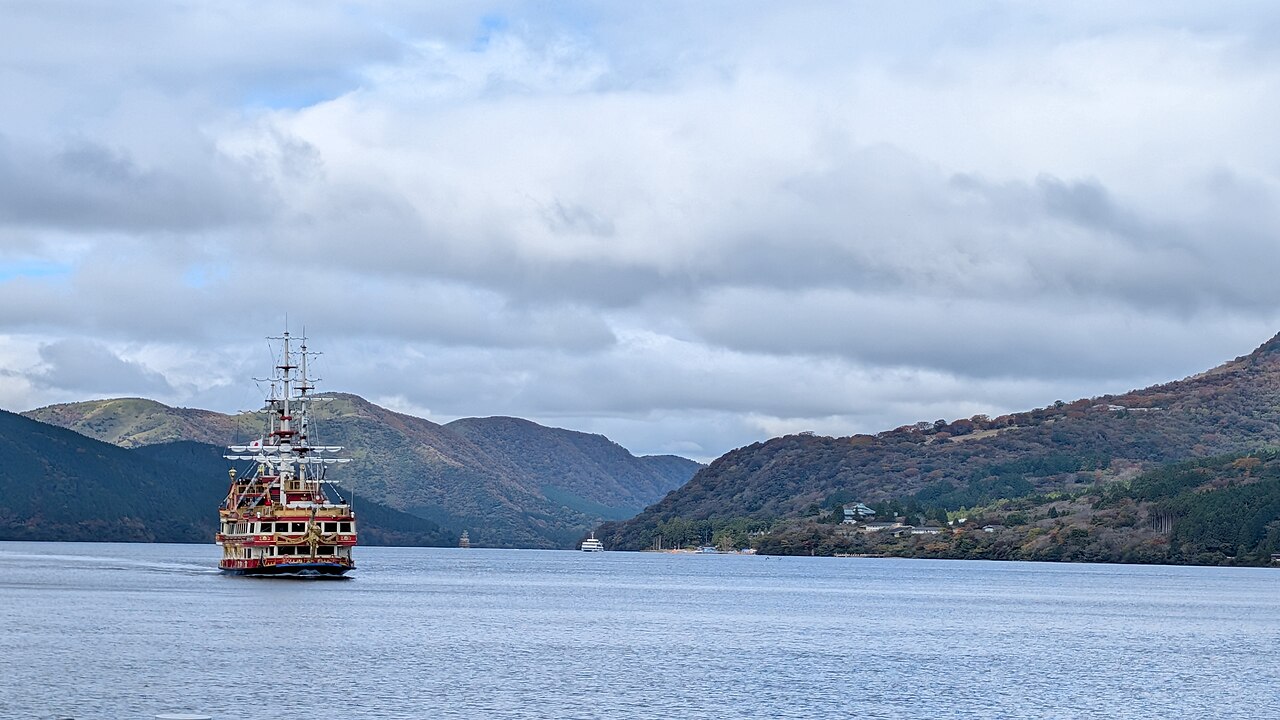
That makes a full cultural half-day around the lake, with the pirate ship ride as a connector.\n\nThe stone road and the hike: for a longer outing, a guided hiking route follows older sections of the road, including paved stretches that climb through woods toward the pass.
The linked tour is a hike to Hakone Shrine along the old road, which is a good option if you want context and company, since it explains the history of the checkpoint, the travellers and the tea houses. Along the way you may find a historic tea house that serves amazake, a sweet fermented rice drink, and rice cakes to hungry walkers, in a tradition that goes back centuries. The paths include slopes and uneven stones, so wear good shoes and bring water, and check weather, since the stones can be slippery after rain.
\n\nPlanning: the walks suit most people with average fitness, and the cedar avenue is accessible for almost everyone, although the longer hiking sections are steeper. Buses from Odawara and Hakone-Yumoto serve the area, so you can walk one direction and take transport back. Late autumn, early spring and clear winter days are pleasant for walking, while midsummer is hot and humid. Take care along road sections, where traffic passes close by, and respect the temples and shrines you pass.
Combining the road with a lake cruise and a soak in an onsen gives a fuller picture of how Hakone has welcomed travellers for hundreds of years. If you only have time for one cultural walk in Hakone, this is the one that best connects the scenery to its past.
\n\nA few finishing touches: carry a little cash for the tea house and for small donations at shrines along the way, and pick up a map of the walking routes at a tourist information desk, since signage can be sparse in places. The cedar avenue is lovely even in light rain, as the canopy keeps you partly dry and the damp deepens the colours of bark and moss. If you hear the sound of running water or see small stone statues by the path, take a moment to enjoy them, because these quiet details are what make the old road feel like a journey back in time.
What to expect
The experience
A walk along a surviving stretch of the Edo-period highway, from a short lakeside cedar avenue to longer stone-paved forest routes.
Best time
Late autumn, early spring and clear winter days; summer is hot and humid.
How long
The cedar avenue takes under an hour; longer hiking routes take two to four hours.
Tips
Wear good shoes for uneven stones, bring water and take care on road sections near traffic.
Quick picks
- Best for
- Travellers who want history and quiet beyond the ropeway circuit.
- Families
- The cedar avenue is easy for children; the hiking sections are steeper.
- Couples
- A shaded, atmospheric walk with a tea house stop and lake views.
- Pair with
- Hakone Shrine, the Lake Ashi cruise and Odawara Castle.
- Time needed
- One hour for the avenue, up to half a day for a hike.
Good questions
What is the Old Tokaido Road?+
It was the main highway between Edo (Tokyo) and Kyoto in the Edo period. Parts of it survive in Hakone as stone-paved paths and cedar avenues.
Where is the cedar avenue?+
It runs along the lakeside road between Moto-Hakone and Hakone-machi on Lake Ashi, close to Hakone Shrine. It is an easy, shaded walk.
Is there a barrier or checkpoint to visit?+
Yes, a reconstruction of the Hakone checkpoint stands near the lake and shows how travellers were inspected on the road.
How hard is the stone road hike?+
It is moderate, with slopes and uneven, sometimes slippery stones. Good shoes and water are advised.
Can I combine it with the cruise?+
Yes, the ports at Moto-Hakone and Hakone-machi are close to the avenue, so walking and sailing fit naturally together.