Hamburg is Germany’s second city and its gateway to the sea, and it rewards first-time visitors who think of it as a harbour town first and a city second. The sights cluster around the water: the Elbe and its port to the south, the twin Alster lakes in the middle, and the canals of the Speicherstadt and HafenCity in between. Get the water right and everything else falls into place.
What to book ahead
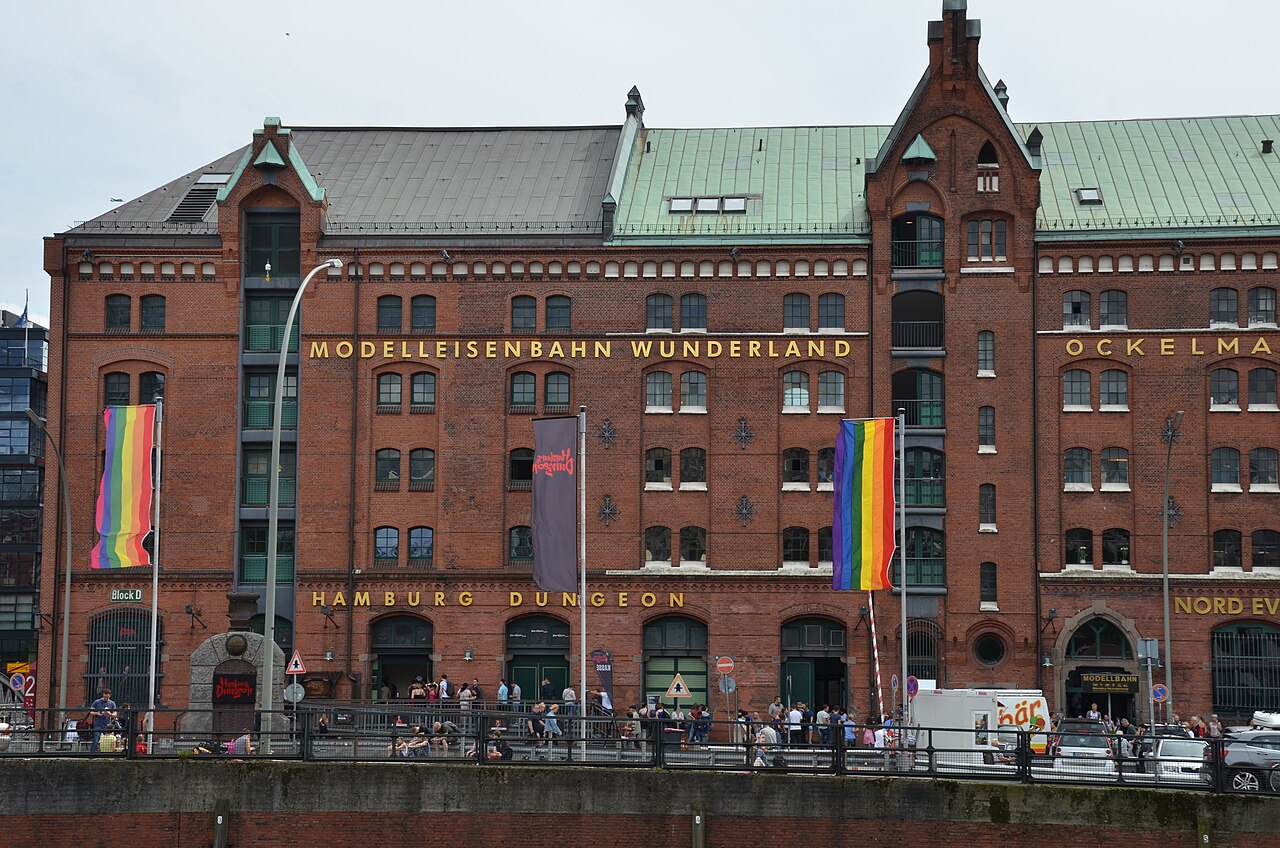
Two things are worth booking before you travel. The first is Miniatur Wunderland, the world’s largest model railway, where every ticket is tied to an entry time window and walk-up waits can be long at weekends and on rainy days. Early-morning and late-evening slots are the calmest. The second is the Elbphilharmonie: the Plaza viewing level is open to all with a small booking fee per ticket, but a guided Plaza tour adds the story of the building, and concert tickets for the Grand Hall sell out early. The Hamburg Dungeon, Chocoversum and harbour cruises are easy to book a day or two ahead, though weekend slots fill up in school holidays.
How the city fits together
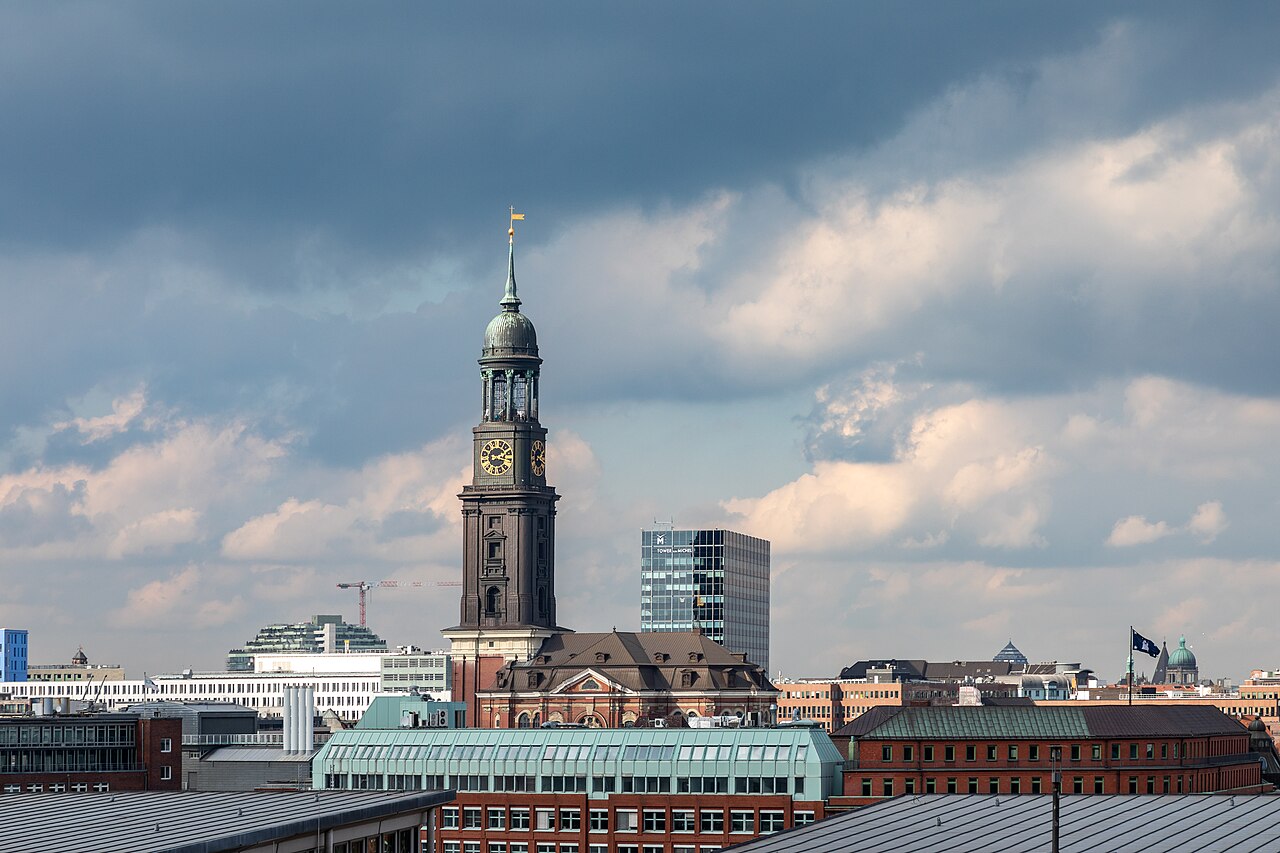
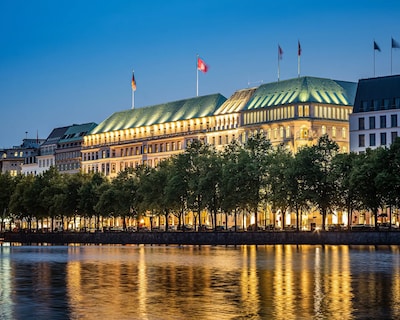
Think of central Hamburg in four parts. The Altstadt and Neustadt hold the Rathaus, the Jungfernstieg on the Binnenalster, the Kunsthalle by the main station and St. Michaelis, the city’s landmark church. South of them lies the Speicherstadt, the UNESCO-listed warehouse district, home to Miniatur Wunderland, the Dungeon and the coffee roasteries. Beyond that is HafenCity, the new quarter on the old docks, with the Elbphilharmonie, the International Maritime Museum and the Westfield Überseequartier with Port des Lumières. To the west, St. Pauli runs from the Landungsbrücken, where harbour cruises leave, up to the Reeperbahn and the cafés of the Schanze.
Getting around
Public transport is excellent. The U-Bahn and S-Bahn link the main station, the Jungfernstieg, the Landungsbrücken, Baumwall and Überseequartier, which covers almost every sight in this guide. The S-Bahn runs from the airport to the main station in around half an hour. One of the best tips in Hamburg is that the HADAG harbour ferries are part of the public transport network, so a normal transit ticket gets you a ride along the Elbe from the Landungsbrücken towards Övelgönne. In the centre, walking is often quickest: from the Jungfernstieg to the Speicherstadt is a pleasant twenty minutes.
How many days
Two full days cover the highlights; three let you slow down. On day one, start with a one-hour harbour cruise from the Landungsbrücken, climb the Michel tower for the view from above, and spend the afternoon in the Speicherstadt and at Miniatur Wunderland. On day two, take the Elbphilharmonie Plaza tour in the morning, visit the International Maritime Museum or Port des Lumières in HafenCity, then head to the Alster for a walk along the Jungfernstieg and an evening in St. Pauli or the Schanze. A third day is perfect for the Kunsthalle, Chocoversum and a ferry ride west along the river.
Rainy days
Hamburg weather changes quickly, so keep indoor options in your back pocket. Miniatur Wunderland, the Maritime Museum, the Kunsthalle, Chocoversum, the Dungeon and Port des Lumières are all within a short ride of each other. Pack a waterproof jacket rather than an umbrella, as the wind off the harbour makes umbrellas hard work.
When to go
Late spring to early autumn brings long evenings and outdoor life along the water. Winter is darker and colder, but it is the season of Christmas markets, cosy cafés and lower hotel rates, and the harbour cruises run on a reduced timetable from November to Easter. Check closing days before you go: the Kunsthalle closes on Mondays, and the Michel is closed to visitors during services.
A few local tips
Try a Franzbrötchen, the cinnamon pastry Hamburg claims as its own, and a fish sandwich at the Landungsbrücken. Carry a card and some cash, as smaller places sometimes prefer one or the other. And save an evening for the Elbphilharmonie Plaza, when the lights of the port come on below you.