Few American cities of Hartford's size have such a concentration of literary history. In the nineteenth century, a small neighborhood on the western edge of town gathered some of the country's best-known writers, and a few miles away a farm boy named Noah Webster grew up to define American English. This guide ties the stories together and suggests how to visit them in a way that makes sense.
Nook Farm: the neighborhood of ideas
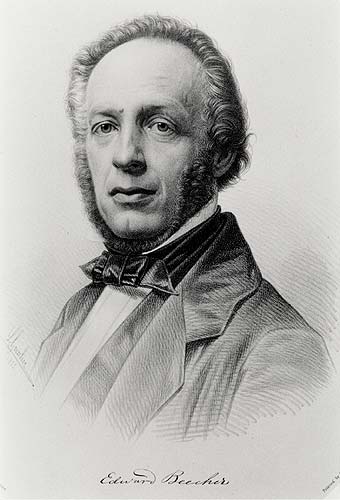
In the 1850s and 1860s, a group of families bought land in an area west of downtown known as Nook Farm. Many were connected to the Beecher family, a clan of ministers, reformers and writers, and over time the neighborhood became a gathering place for authors, abolitionists, suffragists and editors. Harriet Beecher Stowe and Samuel Clemens, better known as Mark Twain, lived here in the same period, along with others such as Isabella Beecher Hooker, a leader in the women's suffrage movement. Visiting the neighborhood today, you can still feel the sense of a small community of strong opinions.
The Mark Twain House
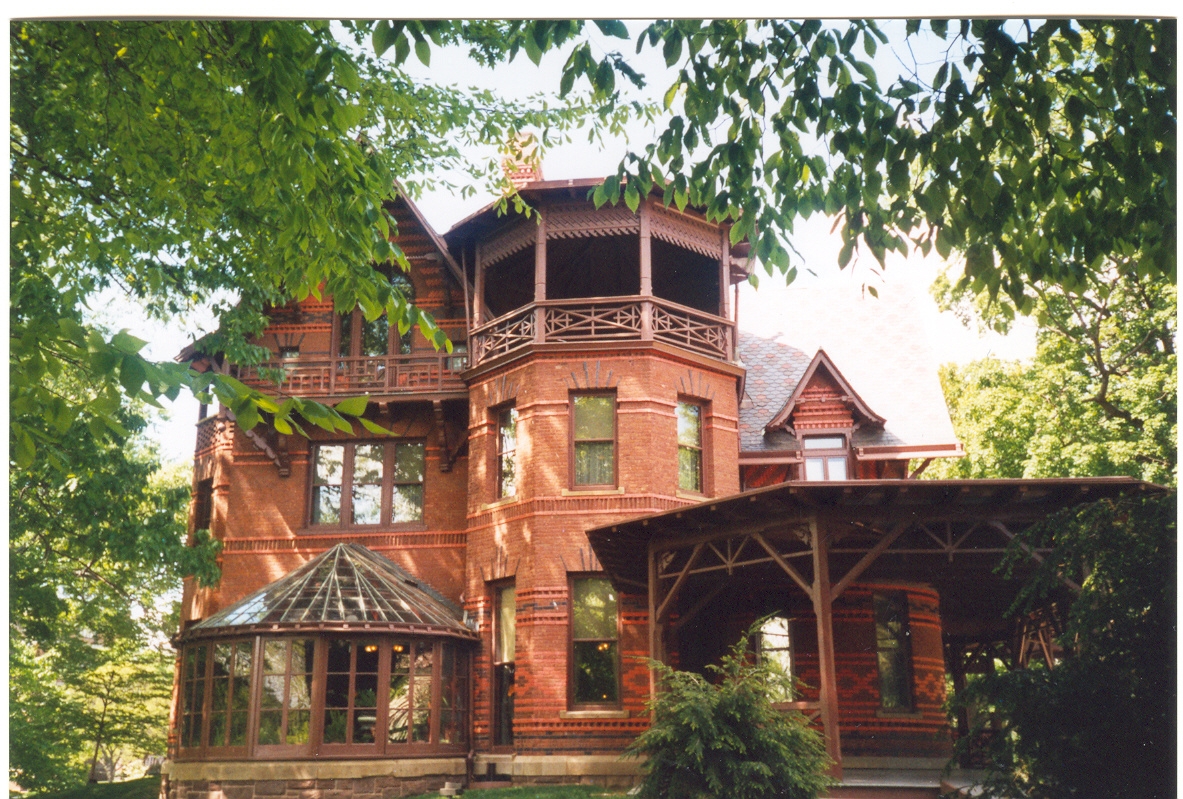
Twain's mansion is the headline. He and his family lived here from the early 1870s to 1891, and he wrote some of his best-known work in the third-floor billiard room, including Tom Sawyer and Huckleberry Finn. The tour covers the principal rooms and tells the family stories, from the children's bedtime tales to the financial pressures that led them to leave. The museum center on the grounds adds exhibitions and a film that give Twain's career context. Book a tour in advance and allow at least an hour, with extra time for the galleries and shop.
The Harriet Beecher Stowe Center
A short walk away is the cottage where Stowe lived in her later years. She had written Uncle Tom's Cabin decades earlier, in 1852, and the book's influence on the national conversation about slavery was immense. The Stowe Center's tour is quieter than Twain's, and its exhibitions take seriously both the power and the problems of her best-known book. The garden outside is a pleasant place to sit, and the center's programs often include talks and reading groups. Combining the two houses in one morning creates a vivid contrast between two writers who were neighbors.
Noah Webster House
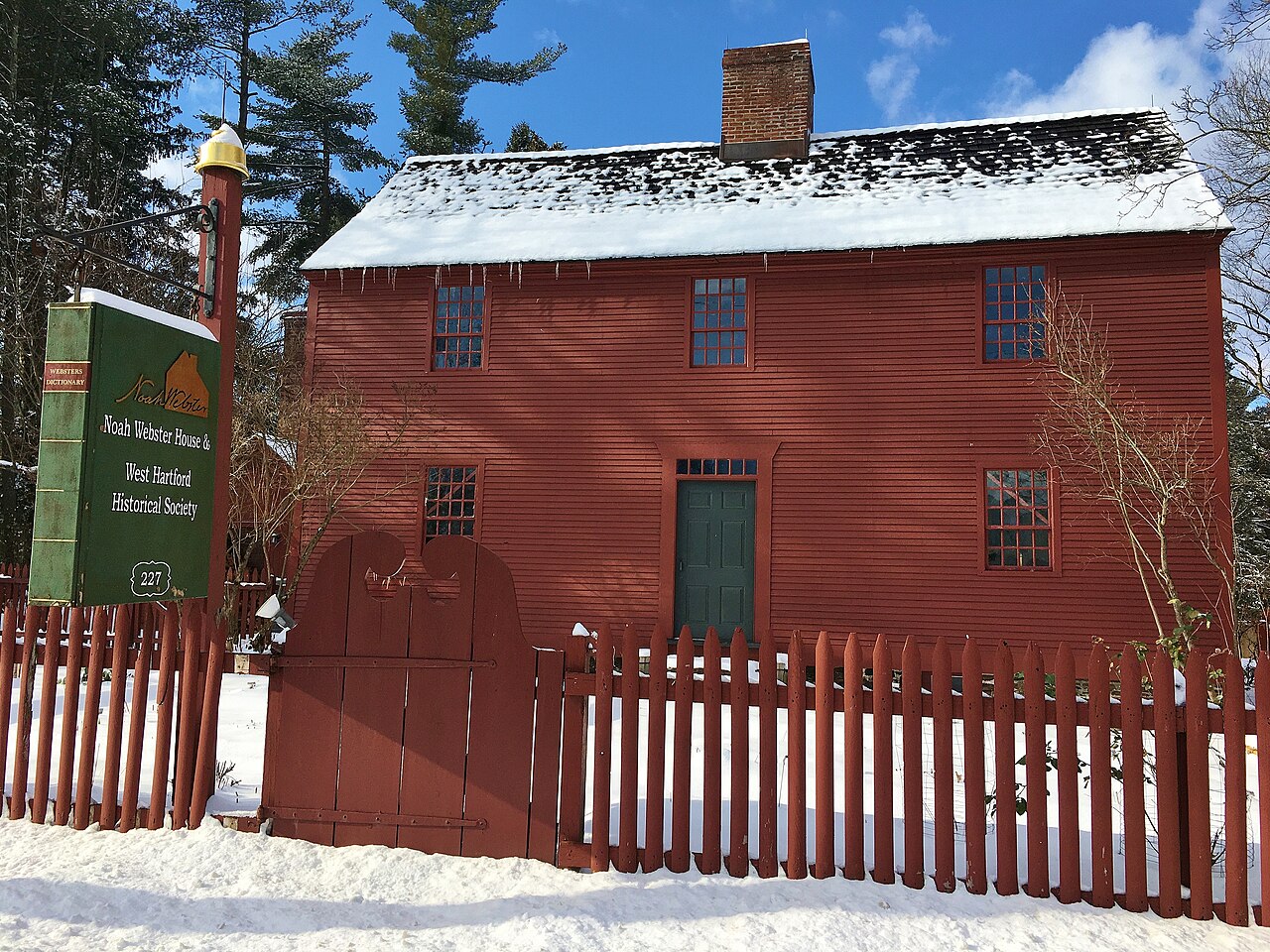
In West Hartford, the farmhouse where Webster grew up is now a museum about his life and the town's history. Webster compiled the Blue-Backed Speller that taught generations of children to read, and in 1828 published An American Dictionary of the English Language. The museum is small and hands-on, which suits families, and it adds the story of language and education to the literary picture.
Other literary and cultural stops
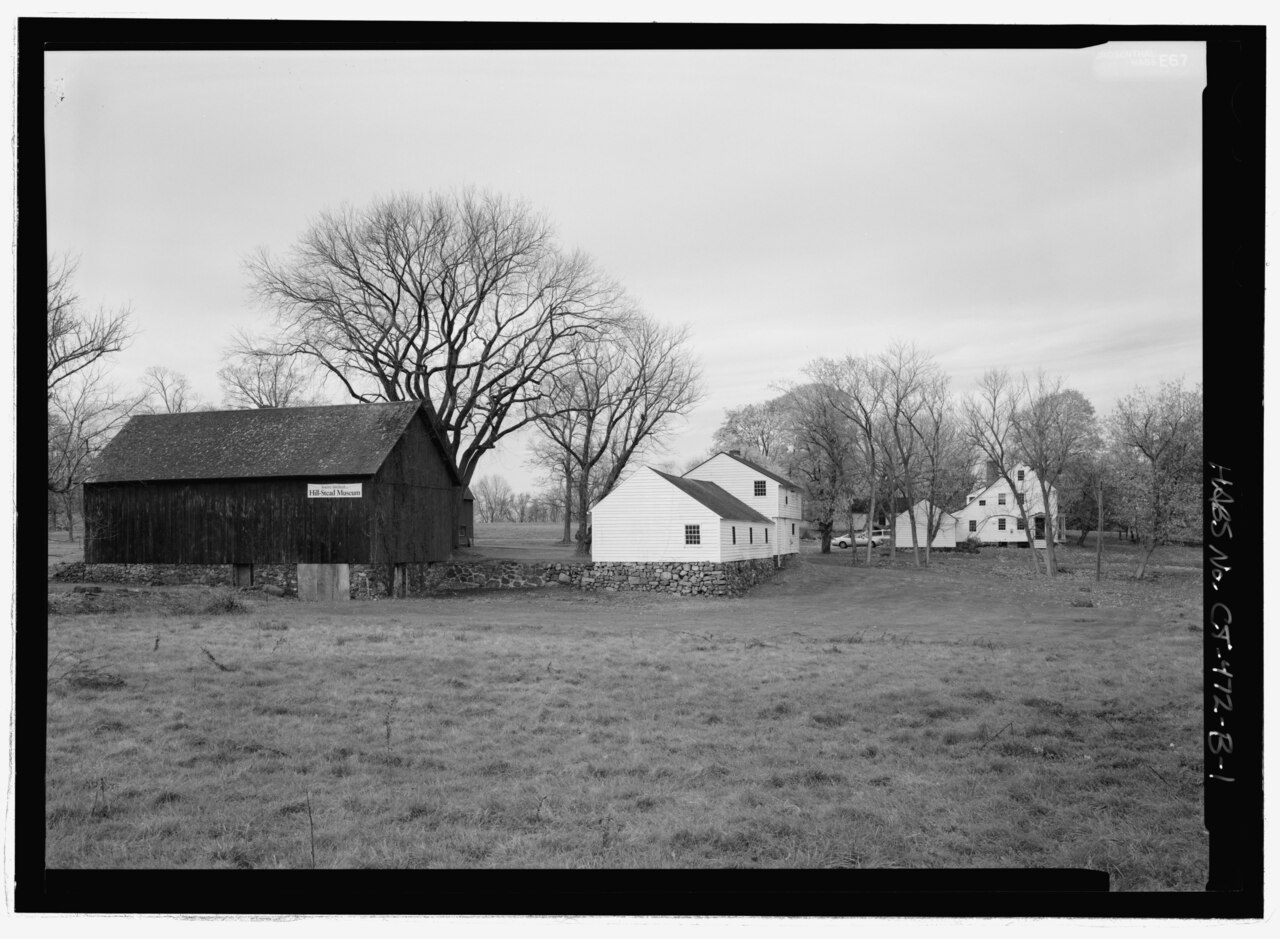
The Wadsworth Atheneum shows the visual culture of the same era, and the Old State House and the audio tour of the Coloured Regiment parade route extend the story into civic and military history. The Hill-Stead Museum in Farmington connects to the world of readers and patrons through its poetry festival and its history of cultural gatherings. A visit to the Connecticut Museum of Culture and History, the state's historical society, is also rewarding for those who want archives and exhibitions on regional life.
A suggested route
Begin at the Mark Twain House for the first tour of the day. Walk to the Stowe Center for a second tour, then have lunch in West Hartford Center. In the afternoon, visit the Noah Webster House and, if time allows, walk through Elizabeth Park. In the evening, return to downtown and have dinner near the Old State House, ideally after a walk along the Coloured Regiment route if you have the audio tour. This takes a full day without rushing and requires a car or a short rideshare between sites.
Reading before you go
You do not need to be an expert, but a little preparation enriches the visit. Skim a few chapters of Tom Sawyer or Huckleberry Finn, read about the writing of Uncle Tom's Cabin, and look at a short biography of Webster. If you are traveling with teenagers, a quick discussion about how Stowe's book was received and criticized will deepen the conversation at her house.
Practical notes
Both houses run guided tours on schedules, so reserve ahead, especially in autumn and on weekends. Photography rules vary, so ask at the desk. The sites have stairs and older layouts, so contact them about accessibility. Combine the literary day with a hotel on the west side, in Farmington, or downtown, depending on your plans, and be generous with time, because the best visits include conversation with the guides who know these houses well.