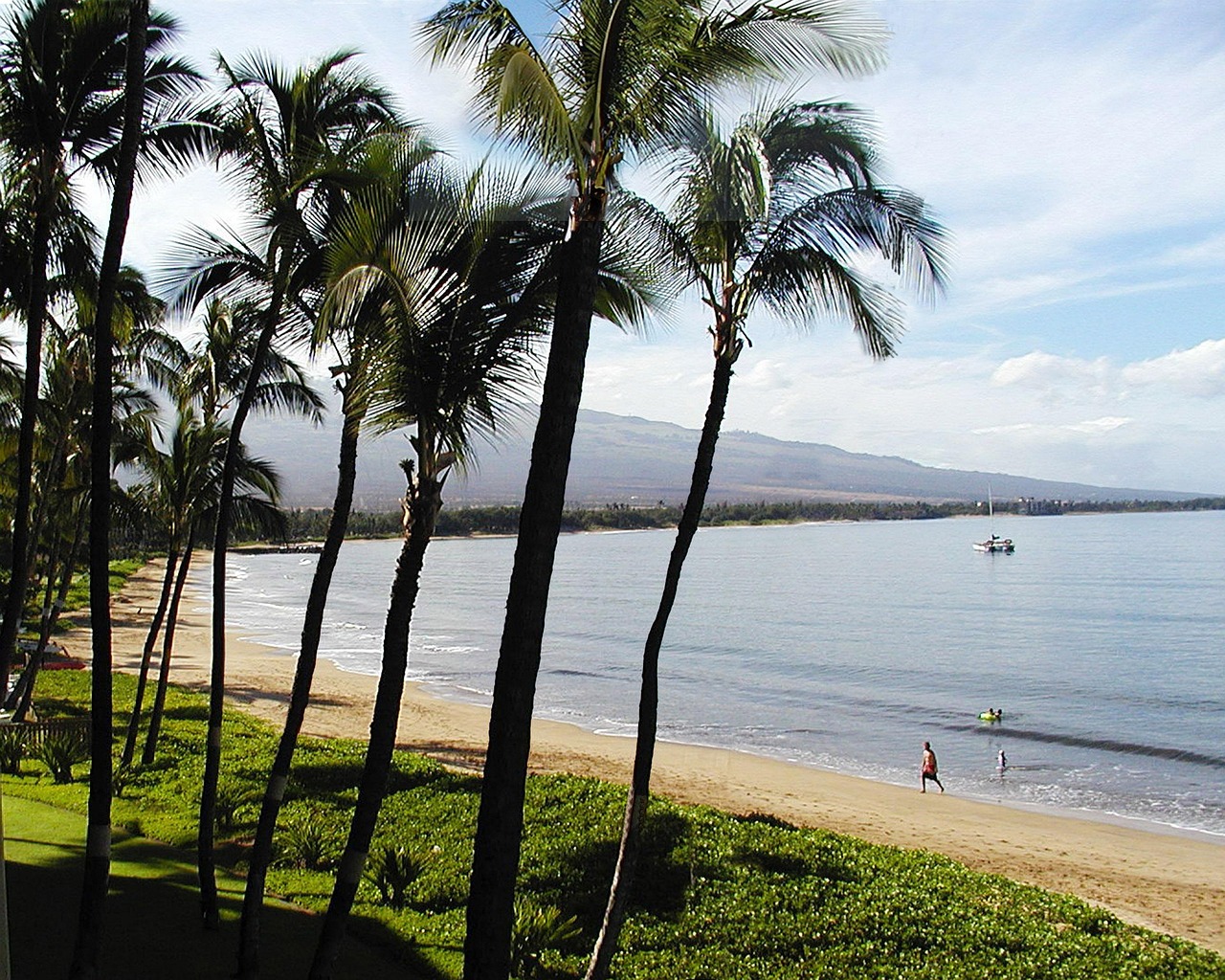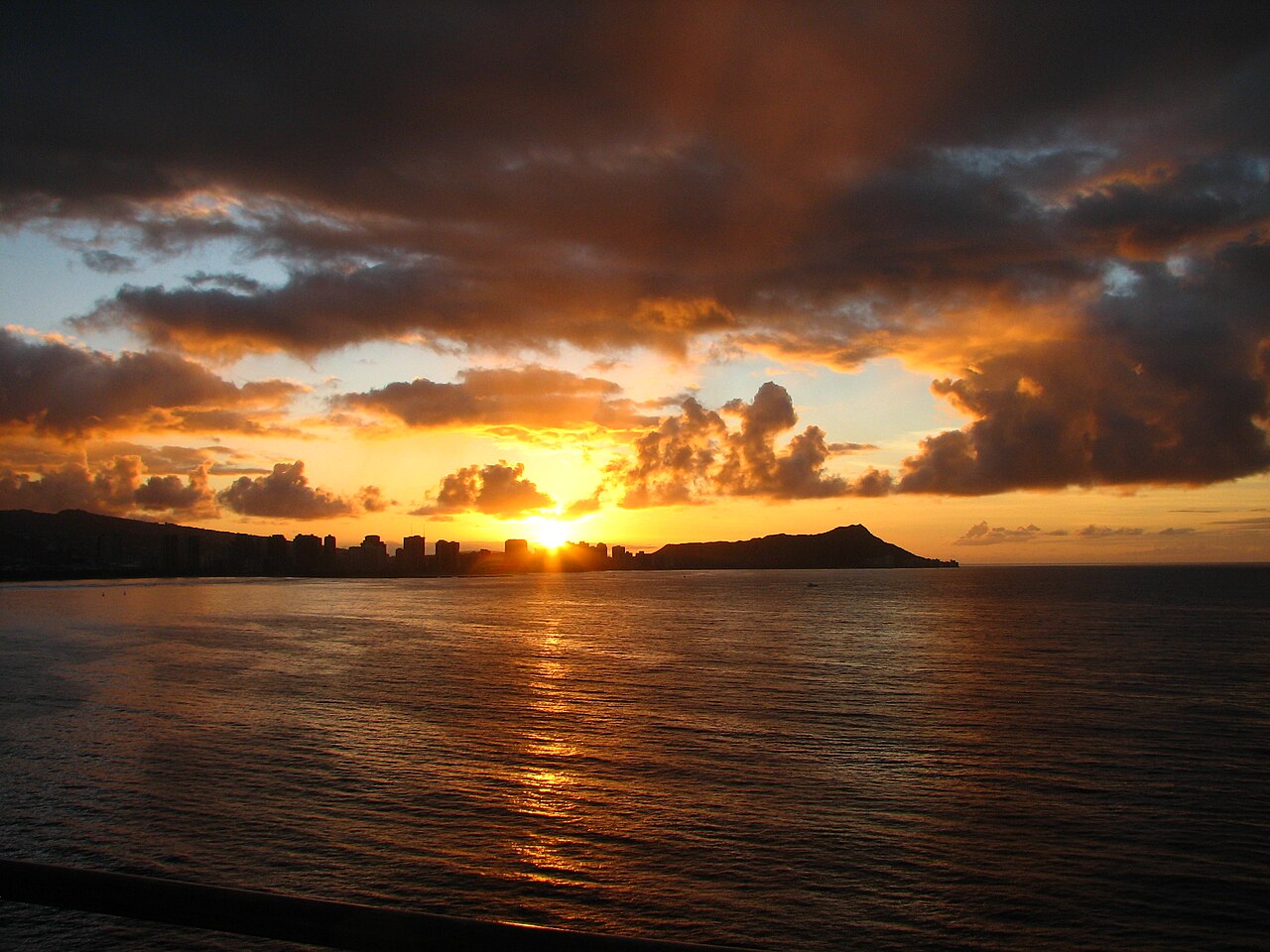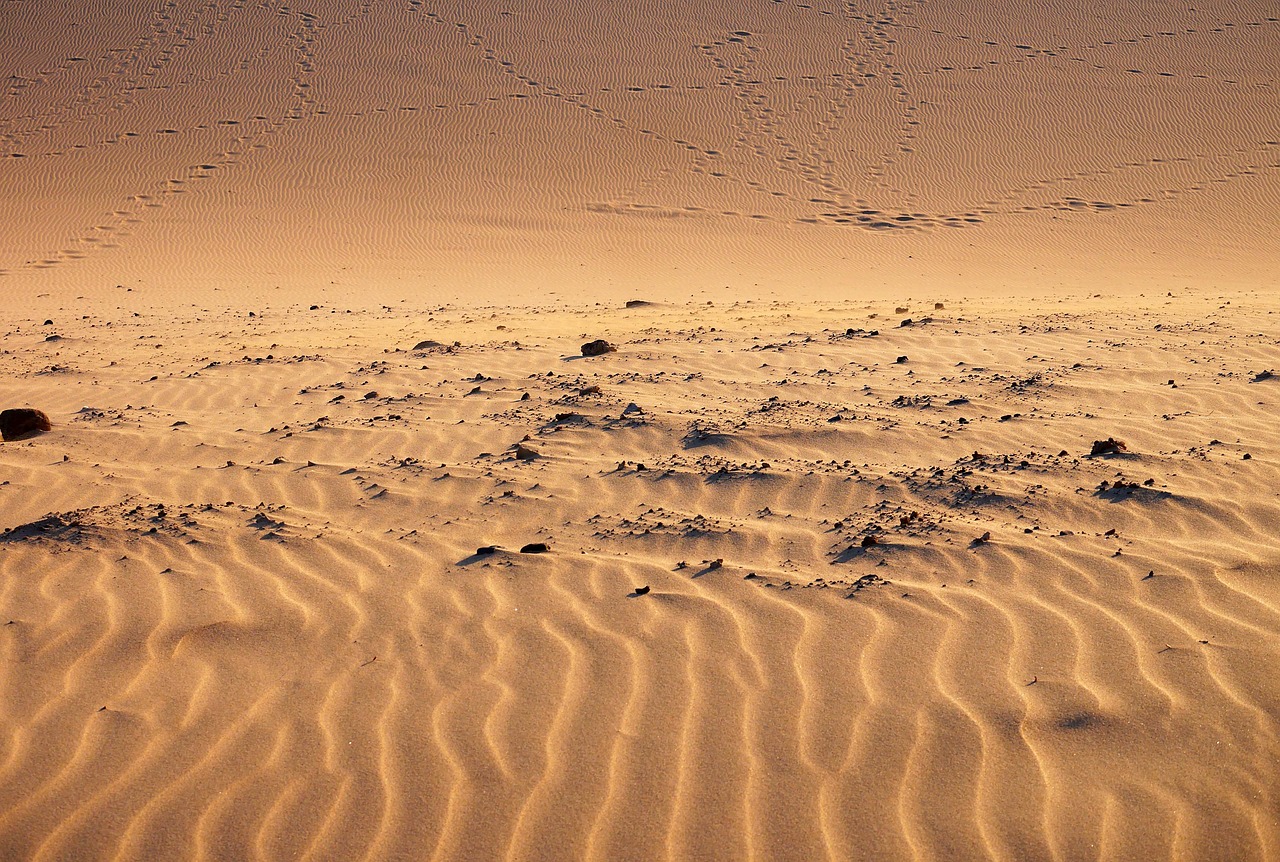
Mākena Beach — everyone calls it Big Beach, and its Hawaiian name Oneloa means long sand — is the beach Maui residents fought to keep wild, and it shows: roughly two-thirds of a mile of wide, golden sand inside Mākena State Park south of Wailea, backed by kiawe trees rather than towers, with the red-brown cinder cone of Puʻu Ōlaʻi rising at its northern end and Kahoʻolawe and Molokini floating offshore. There is nothing to buy and nothing built along the sand, which is precisely the appeal after the polished resort beaches up the coast. The water is the thing to understand: Big Beach's sand drops off steeply, and the shorebreak can be powerful — the waves that make it a famous bodyboarding and skimboarding beach for experienced locals are the same waves that cause serious neck and back injuries to visitors who wade in unprepared. On calm days it is a glorious swim; on rough days it is a beach for walking, sunbathing and watching. Lifeguards staff the beach, and their read on the day's conditions is the one to follow. The park holds three beaches in all: Big Beach itself; Little Beach over the lava rock path at the north end, a smaller cove with calmer water on many days; and Oneʻuli, a coarse dark-sand beach on the far side of Puʻu Ōlaʻi. A short scramble up Puʻu Ōlaʻi gives a superb view over the whole South Maui coastline. Fit: beach lovers who want Maui without the resorts, couples (sunsets here are spectacular and uncrowded), and confident swimmers — with families best served on calm days near a lifeguard tower.
The park's story
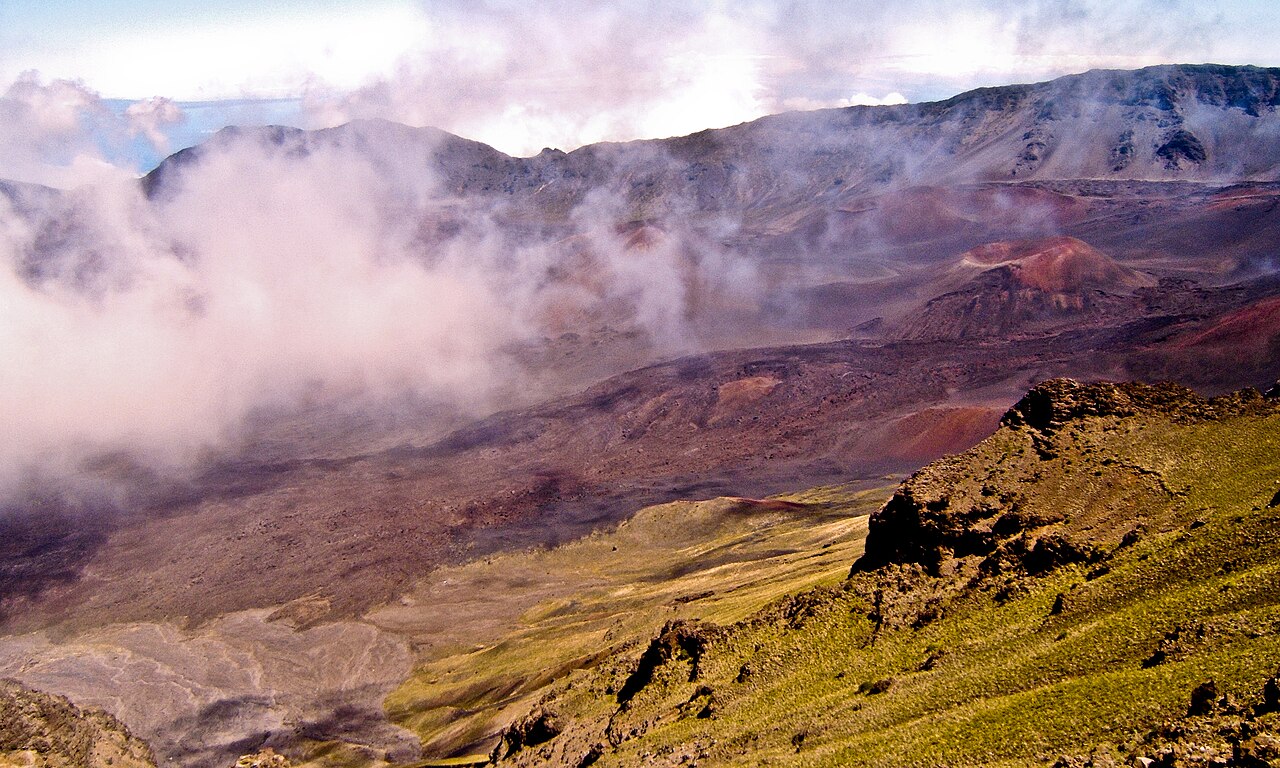
In the 1970s and 1980s, as South Maui resort development pushed south from Wailea, residents campaigned to protect Mākena's coast, and the state established Mākena State Park to keep Big Beach undeveloped — today it is one of the last long, natural white-sand beaches on the island. The landscape beyond is young: just south lies the lava from Haleakalā's most recent flows at La Perouse Bay, raw black rock running into the sea.
How to do it well
Arrive early for parking in the state park lots, check with the lifeguard before swimming, and watch a few sets break before going in — if the waves are slamming onto the sand, stay on shore. Bring shade and water (there are no concessions), use reef-safe sunscreen, and stay for sunset over Kahoʻolawe. If you climb Puʻu Ōlaʻi, wear real shoes and stay on the established trail.
Practicals and fit
The state park is open during daylight hours with a per-vehicle parking fee for non-residents (credit card only; residents free), portable toilets and lifeguard towers, about 15 minutes south of Wailea. Pair it with a Molokini snorkel cruise from nearby Mākena or Kīhei and a Haleakalā sunrise for a South and Upcountry Maui trip. Fit: beach lovers, couples, strong swimmers — Maui's big wild beach, best enjoyed with respect for its shorebreak.
What to expect
The experience
A wide, undeveloped state-park beach in South Maui with lifeguards, no concessions, Little Beach and Oneʻuli Beach nearby and an optional climb up Puʻu Ōlaʻi.
Best time
Calm-surf days for swimming; arrive early for parking; sunset for the view toward Kahoʻolawe.
How long
A half day; longer with the Puʻu Ōlaʻi climb and Little Beach.
Tips
Ask the lifeguard about the shorebreak and watch several sets before swimming. Bring shade, water and snacks, since there is nothing for sale on site.
Quick picks
- Best for
- Maui's long, wild beach without a single resort in view.
- Families
- Calm days only, near a lifeguard tower — the shorebreak can be dangerous for small swimmers.
- Couples
- A quiet afternoon and an uncrowded sunset over Kahoʻolawe.
- Pair with
- Molokini snorkel cruise from South Maui; Haleakalā for a sunrise the next day.
- Time needed
- A half day, 15 minutes south of Wailea.
Good questions
Is Big Beach safe for swimming?+
On calm days, yes, but the sand drops steeply and the shorebreak can be powerful, causing serious injuries to unprepared swimmers. Check with the lifeguard and watch the waves before going in.
Is there a fee at Makena State Park?+
Hawaii residents enter free; non-residents pay a per-vehicle parking fee, credit card only. There are no concessions, so bring water and shade.
What is Little Beach?+
A smaller cove reached by a short lava-rock path from the north end of Big Beach, often with calmer water. Note that nudity, while sometimes seen there, is illegal in Hawaii.
Can I climb Puu Olai?+
Yes — a short, steep trail climbs the cinder cone for views over South Maui. Wear proper shoes and stay on the established path.
How does it compare to Kaanapali?+
Kāʻanapali is a resort beach with snorkeling and a beach walk; Big Beach is wild and undeveloped with bigger shorebreak. Choose Big Beach for space and scenery, Kāʻanapali for easy snorkeling and amenities.