The North Shore is the day trip that changes how visitors see Oʻahu: an hour from Waikīkī the towers give way to a two-lane coastal road, roadside fruit stands and a seven-mile run of the most famous surf breaks on Earth. The region works on two calendars, and knowing which one you are visiting is the whole trick. From roughly November to February, North Pacific swells arrive and waves can reach thirty feet or more — Waimea Bay, ʻEhukai Beach (home of the Banzai Pipeline) and Sunset Beach become arenas, the professional contest season comes to town, and the right move is to watch from the sand, never to swim; from about May to September the same coast flattens into clear, calm water good for swimming and snorkeling. Haleʻiwa is the anchor town: a laid-back former plantation town of surf shops, galleries, food trucks and the shave ice stands people line up for, with its old bridge and harbor at the western end of the run. Beyond town, the classic stops string along the Kamehameha Highway: Waimea Bay (the birthplace of big-wave riding in the 1950s, and in summer a jump-rock swimming cove), Pipeline's perfect barrels breaking just offshore at ʻEhukai, Sunset Beach's wide sand for long walks, and the beaches where green sea turtles haul out to rest (look, keep your distance, and let them be). The north end adds Kahuku's shrimp trucks and the Turtle Bay resort. Fit: adventure travelers (winter wave watching is one of the great free spectacles on the planet), first trips (it is the drive that makes Oʻahu feel like an island), couples, and families in the calm summer months.
Why the waves are so big
The North Shore faces open North Pacific with no continental shelf to slow incoming storm swells, and the reef shelves rise abruptly, so winter energy stands up into the heavy, hollow waves that made Pipeline and Waimea famous. The region's surf culture is its own world — local respect, lineup etiquette and the professional winter season (the contests run when the swell is right) shape the whole coast in those months, and traffic on the two-lane highway reflects it.
How to do it
Drive up via the central plain past the pineapple fields, spend the first hour in Haleʻiwa (shave ice, a plate lunch, the surf shops), then work east along the highway — Waimea Bay, ʻEhukai/Pipeline, Sunset — and finish with garlic shrimp in Kahuku before returning along the windward coast to make a full island loop.
In winter, check the surf forecast and heed every warning sign: rip currents and shorebreak on big days are deadly, and the lifeguards close beaches for good reason. In summer, bring a mask — the calm reefs reward snorkelers. Give turtles resting on the sand plenty of room (volunteers often rope off a buffer).
Practicals and fit
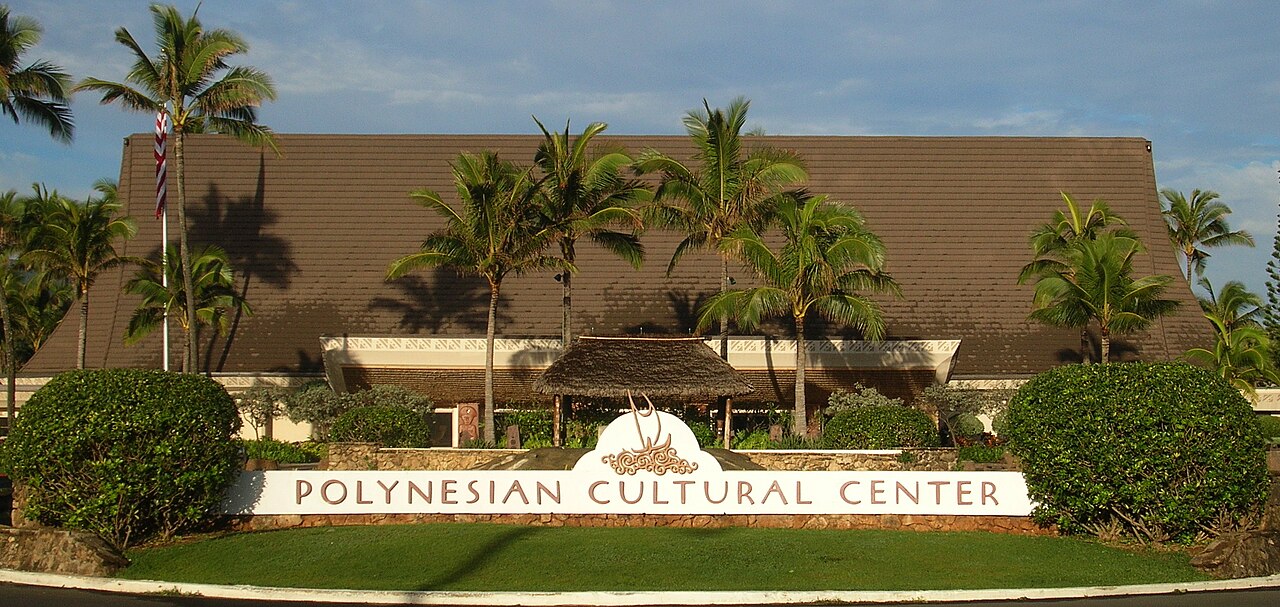
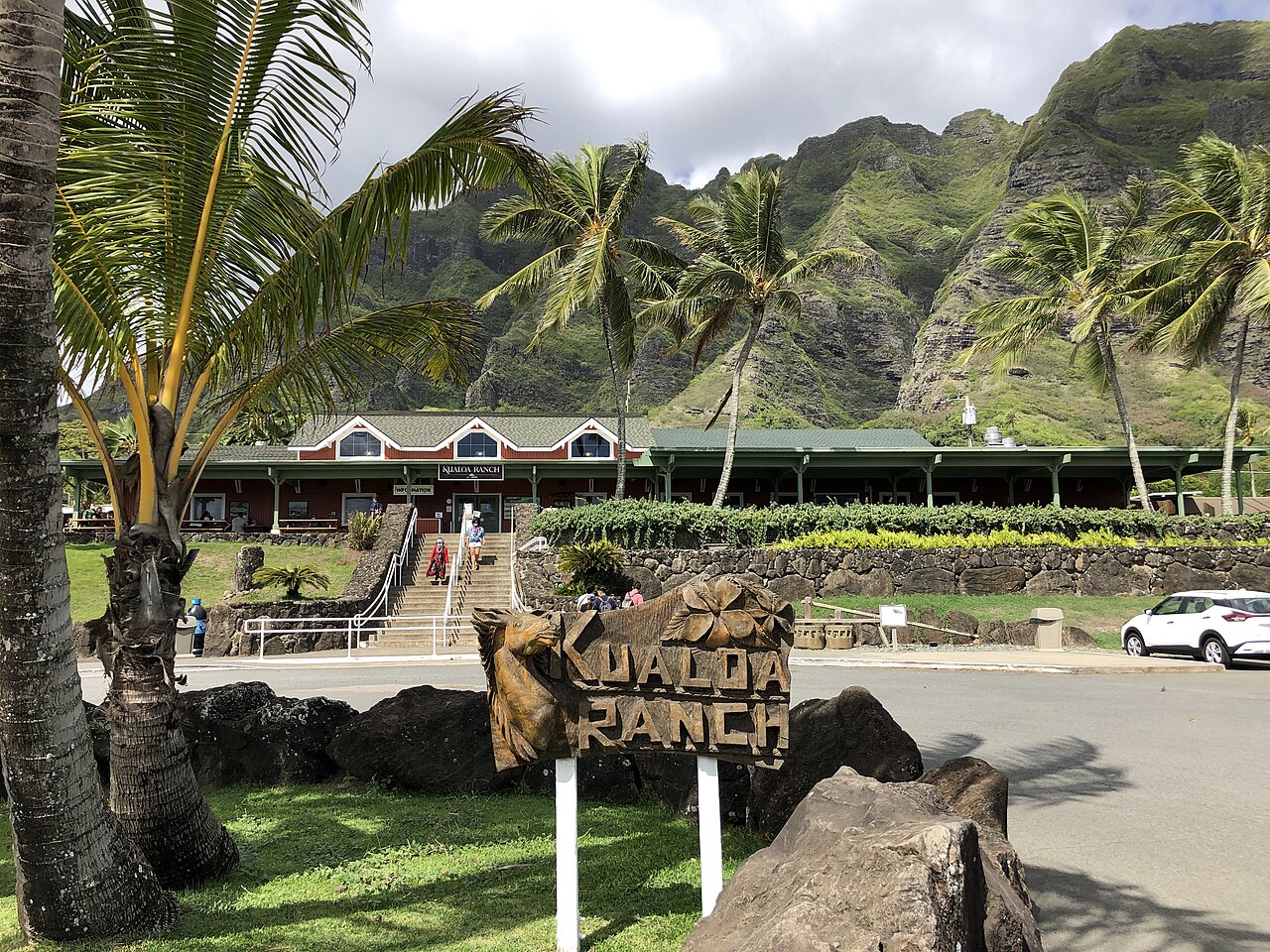
About an hour's drive from Waikīkī each way, public beach parks with lifeguards at the major beaches, limited roadside parking at Pipeline and Sunset in contest season. The Polynesian Cultural Center and Kualoa Ranch sit on the return route along the windward side. Fit: adventure, first trips, couples, and summer families — the surf capital of the world, free to watch.
What to expect
The experience
A self-drive coastal day: Haleʻiwa town, then Waimea Bay, ʻEhukai Beach and Pipeline, and Sunset Beach along the Kamehameha Highway, with food trucks and turtle-spotting between.
Best time
November to February for giant waves to watch from shore; May to September for calm water, swimming and snorkeling.
How long
A full day as a round-island loop; half a day for Haleʻiwa and two beaches.
Tips
Never swim on big-surf days — watch from the sand and obey lifeguards. Combine with the windward coast for a full Oʻahu loop, and keep your distance from resting sea turtles.
Quick picks
- Best for
- Watching the best surfers on Earth ride the biggest waves, free from the sand.
- Families
- Summer is the season — calm, clear water at Waimea Bay and shallow reefs for little snorkelers.
- Couples
- Shave ice in Haleʻiwa, a long walk on Sunset Beach, then the windward drive home.
- Pair with
- Polynesian Cultural Center and Kualoa Ranch on the windward return make the full island loop.
- Time needed
- A full day, about an hour each way from Waikīkī.
Good questions
When are the big waves on the North Shore?+
Roughly November to February, when North Pacific swells can push waves to thirty feet or more. From about May to September the coast is usually calm enough for swimming and snorkeling.
Can I swim on the North Shore in winter?+
Not on big-surf days — powerful shorebreak and rip currents are dangerous even at the water's edge. Watch from the sand, heed the warning signs and follow lifeguard instructions.
Where is the Banzai Pipeline?+
Just offshore of ʻEhukai Beach Park along the Kamehameha Highway, between Waimea Bay and Sunset Beach — the most famous reef break in surfing.
How far is the North Shore from Waikiki?+
About an hour's drive. Most visitors make it a full-day loop, returning along the windward coast past Kualoa Ranch and the Polynesian Cultural Center.
Will I see turtles?+
Green sea turtles often rest on North Shore beaches. They are protected — stay well back, never touch them, and respect any roped buffer volunteers have set up.