A luau is the most famous evening out in Hawaii, and the experience ranges from a large resort spectacle to an intimate cultural gathering on a beach. The word itself refers to a Hawaiian feast, and the tradition grows out of the ancient celebrations that marked important events. Modern luaus are shows as well as meals, and choosing the right one depends on what you want from the evening. This guide covers how they work and how to choose.
What happens at a luau
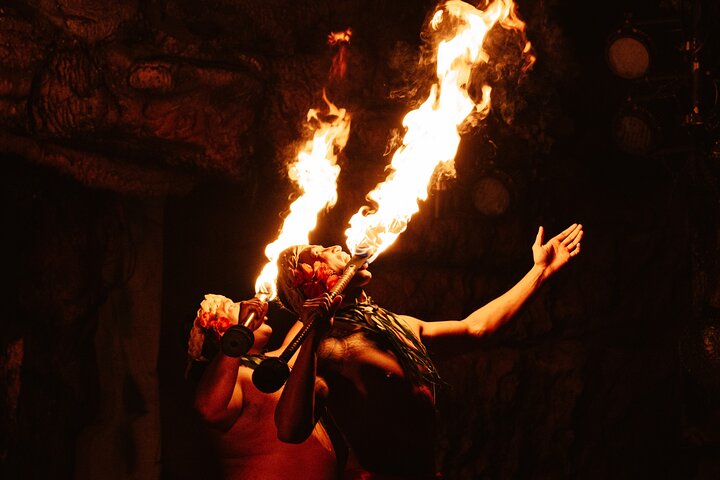
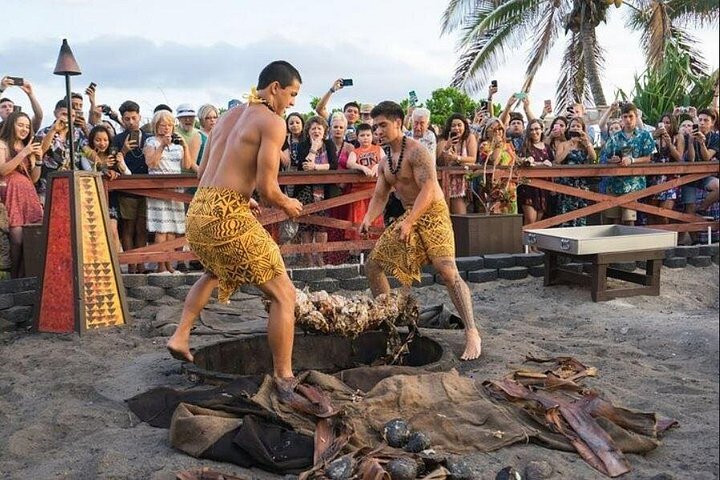
Most follow a similar sequence. Guests arrive in the late afternoon or early evening and receive a lei and a drink. Cultural activities, such as lei making, lauhala weaving, hula lessons or Hawaiian games, fill the time before dinner. The highlight for many is the imu ceremony, in which a whole pig wrapped in leaves and cooked for hours in an underground oven is uncovered. Dinner follows, usually a buffet, and then a show of hula, Polynesian dance, music and often fire knife dancing.
The food
Expect kalua pig, which is smoky and tender, plus dishes such as teriyaki chicken, fresh fish, lomi lomi salmon, sweet potato, rice and salads. Poi, a paste made from taro root, is the traditional starch and has a tangy, subtle flavor that people either love or find unusual. Desserts commonly include haupia, a coconut pudding, and tropical fruit. Open bars serve mai tais and other tropical drinks, though many luaus charge extra for alcohol. Vegetarian and gluten-free needs can usually be met if you tell the operator when booking.
What the show is about
The best luau shows are more than entertainment. They trace the movement of Polynesian voyagers across the Pacific and the traditions of Hawaii, Tahiti, Samoa, Aotearoa and Tonga, and good performers explain what each dance means. Hula itself is a form of storytelling, in which gestures represent nature, history and emotion. Fire knife dancing comes from Samoa and is included as part of the broader Polynesian presentation, so if a show says Hawaiian only, you may see no fire dancers at all, and that is a deliberate choice, not a lack of effort.
Choosing by island
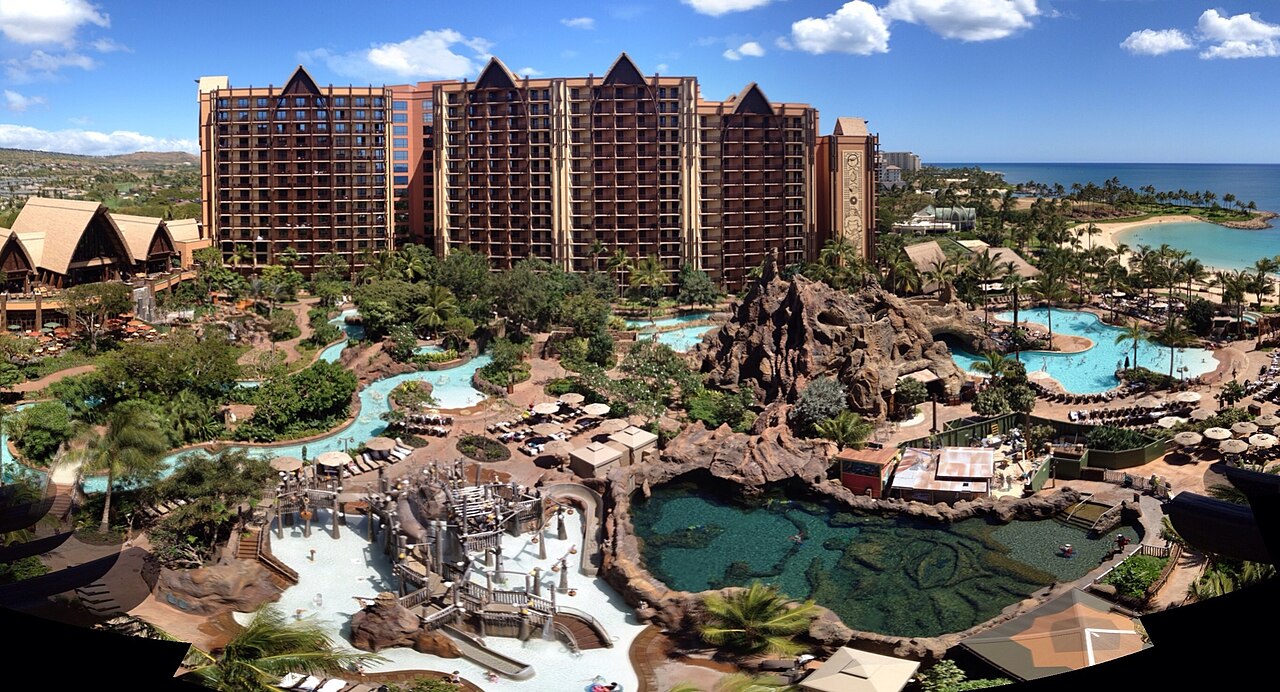
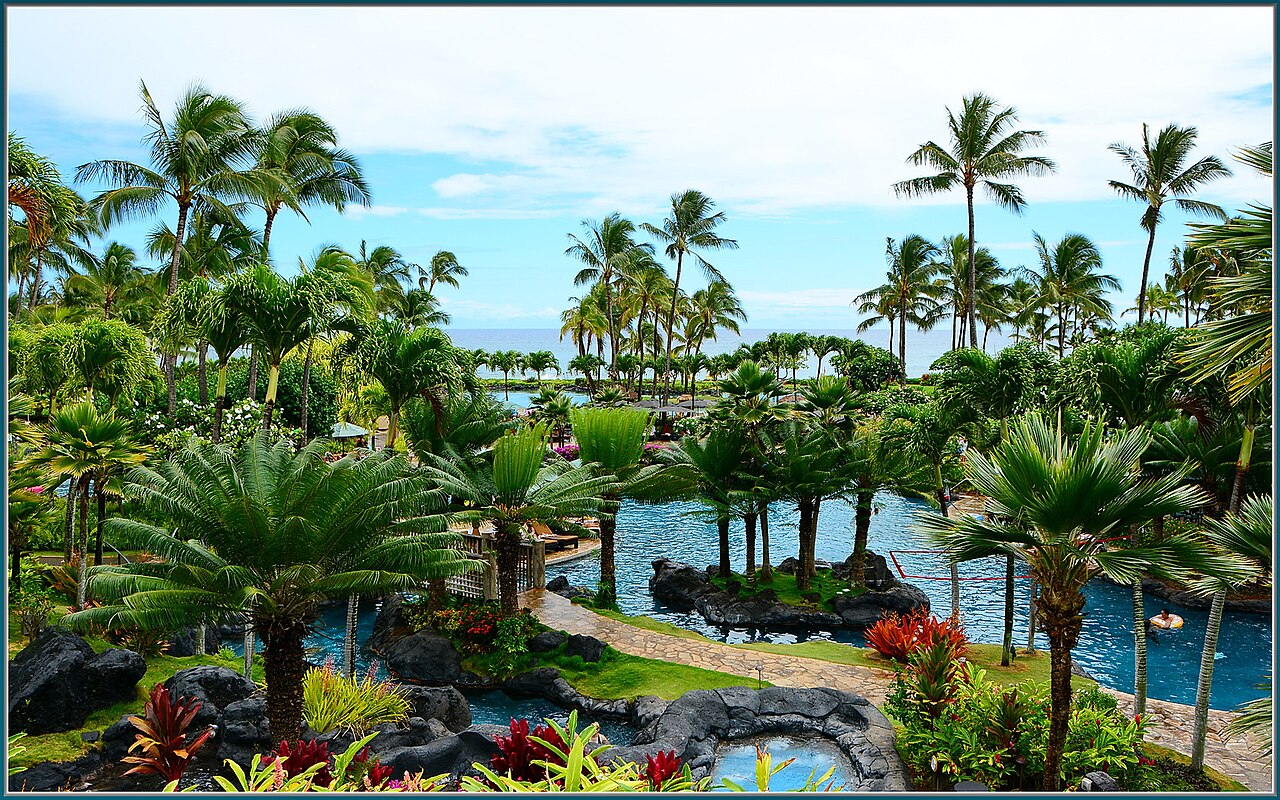
On Oahu, large shows such as those near Waikiki and in the Ko Olina and Laie areas offer scale, strong production and easy transport from Waikiki. On Maui, luaus tend to be oceanfront, with sunset timing and a focus on Hawaiian culture, and several are at Wailea and Kaanapali resorts. On the Big Island, luaus on the Kohala Coast often have a more intimate feel, with lava-rock settings and starry skies. On Kauai, plantation and resort luaus combine dinner and theatrical storytelling, with the green landscape as a backdrop. If you are staying at a resort, check whether it hosts a show on certain nights, which saves a drive.
Choosing a package
Most luaus offer standard seating and a premium option. Standard tickets are shared tables toward the back or sides of the stage, usually with a good view because the stages are designed to be seen from anywhere. Premium packages move you closer, add a reserved table or a plated meal and sometimes include a flower lei and a photo. If it is a special occasion, the upgrade is worth it, but for a casual family evening standard seating works well. Some shows offer a combined pass with a cultural center or a luau-and-tour package, which can simplify planning and transport.
Timing and weather
Sunset luaus are the most atmospheric, because the show begins as the sky colors. Arrival is normally one to two hours before the main program, and it is worth arriving early to see the imu ceremony and choose your table. Winter months bring more rain on some coasts, and shows are usually outdoors with covered seating, so bring a light jacket. Luaus are popular during holidays and school breaks, and the best seats go quickly, so book several days or weeks ahead during busy periods.
Traveling with children
Luaus are generally family friendly. Children enjoy the games, the fire dancing and the chance to try hula, and many operators offer lower prices for younger guests. Be realistic about late evenings and loud drums for very young children, and bring a snack in case the buffet queue is long. For toddlers, an early-start show or a lunch-time cultural presentation may be easier.
Respectful behavior
A luau is a celebration, and a few simple courtesies make it better for everyone. Accept the lei with thanks, avoid taking it off immediately, and treat the performers as artists. Photography is welcome in most shows, but avoid using flash during performances and stay seated so you do not block others. Try the food with an open mind, and ask questions about the culture. When the hula tells a story, listen to the explanation, because the details carry meaning.
Making the choice
Decide whether you value scale, intimacy, culture, food or location most, then compare two or three options on those terms. Read what is included, check the arrival time and transportation, note the cancellation terms and confirm dietary arrangements. Whichever island you visit, a luau can be one of the warmest introductions to Hawaiian hospitality, and it is worth planning one evening of your trip around it.